Sarah Jones Leadership Coaching

Sarah Jones

Sarah Jones Strategic Leadership Advisor Sarah Jones works at the intersection of rapid growth and leadership evolution. With over 25 years of experience across the UK, EMEA, and the United States, she advises organisations where leadership must keep pace with increasing complexity, scrutiny, and scale. Many of the leaders Sarah works with have built their careers on deep technical expertise. However, as organisations scale, the "expertise that got you there" is rarely enough to sustain performance. Sarah specialises in closing the gap that appears when growth outpaces leadership, helping capable specialists transition into enterprise-level operators. Having reached Board-level by the age of 30, Sarah brings an instinctive understanding of how leaders build credibility and alignment under sustained pressure. Her background in strategic communications, government affairs, and large-scale transformation—working with global entities like Gilead, Kite, and Roche—shaped her focus on "surfacing the invisible" risks that define modern leadership. Where Sarah-J typically works: She advises CEOs, senior teams, and individual leaders in complex, specialist sectors where expectations are high and decision-making carries significant weight. Whether through one-to-one strategic advisory or high-impact leadership programmes, her focus is on ensuring that as an organisation grows, its leadership remains its greatest competitive advantage.

losing your identity

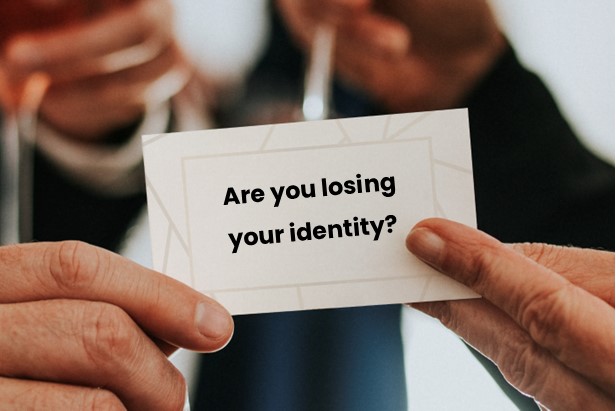
Are you losing your identity in your company?

Losing your identity in your company is something I am encountering far more frequently with clients in recent years. In any organisation, the roles and responsibilities of individuals are typically well-defined. But what happens when those boundaries start to blur? When do leaders and employees start to feel like they’re losing their sense of self in the company? That’s a problem, and it can have serious consequences for both the individual and the organisation. A leader’s identity sets the tone for the entire organisation, and it can be a powerful tool for motivating employees and achieving success. To create an effective and cohesive team, leaders need to be conscious of how their own identity is shaping the way employees view their roles within the company. Leaders need to be aware of how their actions are impacting employees, and they should work to maintain a clear distinction between personal identity and professional identity. Famous Leadership Coach John Whitmore refers to the blurring of those lines as a “leadership trance”, and it can hurt employees who feel as if they’re losing the sense of self that drives them. Leadership trance is detrimental to company culture. Leadership trance goes beyond the realms of typical role confusion; it’s about more than just feeling like you’re losing your sense of self in the company. In this article, we’ll explore how conscious leadership impacts employee satisfaction and company culture, and we’ll look at how leaders can maintain a clear distinction between their personal and professional identities. Why identity is important in the workplace When it comes to the workplace, it’s essential for employees to feel like they’re able to maintain a sense of self. After all, it’s important for people to feel like they’re able to be themselves, and not just another cog in the machine. There are several reasons why identity is so important in the workplace. For one, it helps employees to feel connected to their work. They’re not just doing a job, they’re part of something larger. It also gives employees a sense of purpose and meaning, which is especially important in today’s world. And finally, it allows employees to express their individuality and creativity. So, if you’re feeling lost in your job, or like you’ve lost sight of who you are, it’s not a good thing. It can have some pretty serious consequences. Losing sight of who you are is a warning sign that something is going wrong with your work life. Other signs include: Feeling disengaged from your work for a prolonged period Losing your job entirely Taking up a new hobby or passion that you can’t seem to fit into your work-life balance Remember, identity isn’t the same as personality. Your personality is who you are, whereas your identity is how people perceive you. In other words, it’s what people see when they look at you, the impression they get. If you feel like you’ve lost sight of your identity in the workplace, don’t worry. Leadership coaching can help you to gain back that sense of who you are and what matters to you about your work. Leadership coaching is about rediscovering yourself. It’s about strengthening your leadership skills so that you can go back to the workplace and do what you do best. In fact, one of my clients referred to himself as a robot. When he came to me,  he looked really tired and burnt out. We had to start from scratch to identify what his purpose in life was, let alone his career, and map out what were his priorities. He had lost himself so much in the organisation. Fast forward to his new role and he knows where he ends and the company starts. He looks like a different person – happier, healthier, more joy. He knows where he wants to achieve balance to pursue his other goals. Where this role fits in with longer term plans. The issue is that when your identity blurs so much with something outside of you – and that something disappears – e.g. job, partner – you feel lost at sea. Therefore understanding yourself, what you stand for and what you want is critical to weather life’s storms. How to maintain your identity in the company What happens when your leadership identity is compromised? Leadership has the potential to affect your company in both good and bad ways. Your leadership style sets the tone for how your employees act, which can increase productivity or lead to lost productivity through employee discontent. Your leadership style also reflects on you as an individual. If there are issues within your leadership capabilities, it can harm your identity as a leader. Leadership is more than just being able to give orders – it requires you to understand the strengths of your employees and how they work, so you can use their skills most effectively. Leadership requires empathy and understanding. Leadership means always striving for improvement in yourself, but also striving to improve the company as a whole. When you stop being able to lead, it can be hard on yourself, but it can also harm the rest of your team and the wider organisation. Leadership coaching often starts with you reflecting on your strengths and weaknesses to better understand how to implement them into leadership roles. Leadership coaching is not just for those who need certification, but for anyone who wants to better themselves as a leader. It’s about finding ways to improve your leadership skills, whether that’s through group or individual sessions. Leadership coaching gives you the freedom and opportunity to explore skills with experts who can help guide you along the way. It’s also a great way for those new to leadership roles to develop their abilities and find what techniques work best for them, and also a great way for those seasoned leaders to improve their skills. If you are struggling with leadership or feel like your identity is being compromised, spending time with a coach could be the perfect

Are you losing your identity in your company? Read More »

Resilience

What is Resilience and Why is it Important to Bounce Back?

Resilience is defined by Psychology Today as ‘the quality that allows people to be knocked down by life… and to bounce back stronger than ever’. How is it that some people seem to take life’s knocks with a pinch of salt, deal with them without missing a step and carry on, whilst others appear to constantly struggle with the smallest setbacks? The answer may lie in our capacity for resilience. The Benefits of Resilience The benefits of resilience are endless. Resilient people are better at managing stress, and they tend to be more confident. They are also better at handling difficult situations, which means that they are less likely to be anxious and depressed. There is a lot of research on the benefits of resilience, but it’s not always easy to put into practice. One way to increase your resilience is through mindfulness meditation. This can help you stay calm in stressful situations and make it easier for you to deal with negative emotions as well as thoughts. So how do we develop this kind of resilience? The good news is that we can all learn how to become more resilient by focusing on a few key areas. 1. Know our ‘why’ A hugely powerful motivation, driver or purpose makes all the difference when it comes to our levels of resilience. If we truly believe in our goals and are striving to achieve them, even large setbacks can be overcome. 2. Watch your language The way that you talk to yourself has a profound impact on your motivation, your self-belief, and the way that you perceive the world around you. Work on those affirmations and talk a positive, strong talk that encourages you to keep going. 3. Be kind to yourself Yes, we all have setbacks, so stop beating yourself up over them. Would you talk to a friend or loved one in the way that you talk to yourself? Recognise a mistake and learn from it. Keep following the path – and give yourself a break! 4. Know your strengths It really helps to know your own strengths so that you can be ready to leverage them at the right time. Work on self-reflection and stop being needlessly modest. If you see areas that need developing, then work on them! 5. Find your tribe We all need to have friends, colleagues, supporters and loved ones that understand what we are working towards and who can encourage us in our quest. Find your tribe and make use of them. Similarly, be a supporter, confidant, and source of encouragement to others. 6. Take a mental break The journey to a stretch end goal can be a tough one. So switch off now and again and allow yourself to have a proper break. Get away from your screen, have a break from work and do something that nourishes your soul and revives your spirit, especially if it allows you to get out in nature. 7. Celebrate how far you’ve come It’s very easy to look at the things we have struggled to achieve or the mistakes that we’ve made. Celebrate every step forward that you have taken and every way that you have grown to date! Developing a Personal Resilience Strategy  When we’re under stress, our reactions are shaped by our personality and the events that have happened to us. Developing a personal resilience strategy is crucial for managing your stress levels, so you can maintain a constant state of emotional stability. Sarah Jones Leadership Coaching and Resilience. I have personally overcome many challenges people face as they progress their careers on the path to becoming leaders. With over 25 years working in leadership positions within global organisations, I am ideally placed to help you find your authentic self. If you are an aspiring leader of the future, an experienced leader or an organisation looking to expand the skillset of your leadership team, then please contact me to achieve your goals. How can I help you? I have a range of authentic leadership coaching programmes that are tailored to the needs of the individual, these will allow us to address together very specific challenges, which could include: Emergencies Making the right ethical decisions for stakeholders. Developing active listening skills. Aware of your own strengths, patterns, limitations. Allowing imperfections and not seeing them as a threat. Being transparent and sharing information. Doing the right thing ethically in a crisis. Being open to challenge. Showing genuine concern. Admitting you don’t have all the answers. Accepting and using failure to learn. Developing candour, compassion and empathy. Being transparent and sharing information. My training programmes start at only £279.00, but in order to recommend a coaching programme and provide you with a quote, we would first need to talk thorough the challenges you are facing, identify where I can help you and how long this is likely to take. The first step in this process is by booking a free, no obligation call with me. Book Your Call & Get A Quotation Book Your Call Now Your first call is obligation free, confidential and completely free of charge The next step in your development journey is getting a professional assessment on the what practical steps you can take to develop and improve your skill set, mindset and your prospects.  Executive development coaching Share This Article Authentic Leadership Authentic Leadership Authentic Leadership Coaching Authentic leadership, authentic leadership coaching. What is coaching authenticity How do you teach authentic leadership? What is the concept of authentic leadership? What 4 elements make a leader authentic? What is an example of authentic leadership? What are the qualities of authentic leadership? What are the three pillars of authentic leadership? What are the five dimensions of authentic leadership? What are the four behaviors of authenticity? What are 1/5 qualities of people who lead with authenticity? Why is it important to be an authentic leader? By WebAgencyUK

What is Resilience and Why is it Important to Bounce Back? Read More »

authentic leadership

Authentic Leadership – 7 Active Listening Skills

Listening is one of the most important skills in Authentic Leadership. It’s not just about being a good listener, it’s about being an active, effective listener. Active listening is the act of paying close attention to what someone is saying, without interrupting them or finishing their sentences for them. It’s a skill that can help you be a more effective communicator and leader. Active listening skills are important because they allow you to better understand the needs of your team members, your clients, and even yourself. You will be able to provide constructive feedback and make smarter decisions as a result. You will also be able to better give direction when needed because you have all the information you need from the person in front of you. 7 Active Listening Skills Associated with Authentic Leadership Be Attentive The key trait of an active listener is that they give their undivided attention to the person they are listening to. It is important you acknowledge what is being said without interrupting by demonstrating non-verbal engagement, through nodding your head or making eye contact when someone is speaking. Look at the speaker directly and put aside distracting thoughts while listening to what they are saying. It is important you avoid interrupting them mid-sentence. You can formulate your response moments before they finish speaking. Summarise We are constantly surrounded by people who need our attention and active listening skills will help you to provide them with this. It can be difficult to listen carefully and summarise what the person has said accurately. It is important you identify and summarise the key points in a manner that clearly identifies what someone is trying to communicate to you, in a simple, logical format to help you better understand and respond to the topic being discussed. Ask Probing Questions Ask questions that show you’ve understood what has been said and that actively encourage people to offer further details and challenge others through question to reveal more information than they seem willing to initially divulge. Be Attuned to, and Reflect Feelings The ability to listen, and to be attuned with the feelings of others, is an important skill for leaders. You need to be able to listen and reflect back what you are being told with a tone and context in keeping with the manner in which it has been communicated to you. This helps others feel more comfortable expressing themselves and breeds a more inclusive atmosphere. Ask Open Ended Questions Try to avoid, wherever possible, asking closed ended questions that could be answered with simple “yes” or “no.” Open-ended, clarifying, and probing questions are effective part of active listening strategies. Encouraging others to elaborate and expand their answers helps increase the confidence of others and sends the message you have an active interest in what they have to say. Request Clarification As a leader you will undoubtedly encounter individuals from range of diverse backgrounds and there is almost always a variance in terminology and phraseology, you use and they use. It is therefore important to seek clarification to ensure you have fully understood what has been said, before you can process this information and formulate a response.    It is important to wait for the speaker to pause to before asking clarifying questions. Do not interrupt and ensure your questions are on-topic so as to avoid the conversation going in a different direction. Paraphrase Paraphrasing is a skill that is necessary for any good listener. It is the ability to repeat what someone has said in their own words. It is important to paraphrase because it helps the person you are listening to feel heard and understood. When you paraphrase someone’s words positively, it means that you’re repeating what they have said and adding your own thoughts or opinions on the topic. This can make them feel like they’re being understood and respected. Paraphrasing negatively means repeating what they have said without including your thoughts or opinions on the topic, which can make them feel as if they are not being listened to or understood. However, there is a fine line between paraphrasing and putting words into someone’s mouth and the skill is to rephrase in a more concise and clear manner whilst capturing the content, context and tone. Paraphrasing a statement or question to make it mean what you want it to mean, rather than what the speaker intended, will be perceived as being manipulative and create a negative atmosphere. Other Characteristics of Authentic Leadership There are many aspects and characteristics to authentic leadership, most of which we all possess naturally to a certain degree, but which can be improved with authentic leadership coaching, practice and patience. These include: Self-awareness Situational awareness Emotional intelligence Courtesy & professionalism Humility & validation Empathy & compassion Accept constructive criticism Sarah Jones Leadership Coaching and Authentic Leadership I have personally overcome many challenges people face as they progress their careers on the path to becoming leaders. With over 25 years working in leadership positions within global organisations, I am ideally placed to help you find your authentic self. If you are an aspiring leader of the future, an experienced leader or an organisation looking to expand the skillset of your leadership team, then please contact me to achieve your goals. How can I help you? I have a range of authentic leadership coaching programmes that are tailored to the needs of the individual, these will allow us to address together very specific challenges, which could include: Emergencies Making the right ethical decisions for stakeholders. Developing active listening skills. Aware of your own strengths, patterns, limitations. Allowing imperfections and not seeing them as a threat. Being transparent and sharing information. Doing the right thing ethically in a crisis. Being open to challenge. Showing genuine concern. Admitting you don’t have all the answers. Accepting and using failure to learn. Developing candour, compassion and empathy. Being transparent and sharing information. My training programmes start at only £279.00, but in order to recommend

Authentic Leadership – 7 Active Listening Skills Read More »

Authentic Leadership

Authentic Leadership – What are the characteristics of an Authentic Leader?

Authentic leadership is a leadership approach that emphasises ethical and honest leader behaviour and promotes open sharing of information necessary to make choices while embracing feedback from followers.  Authentic leadership is about being yourself and making a place for others. It also throws in some ethics for good measure and a fair dose of common sense. So, regrettably, for some, the haughty bulldozer strategy falls short when it comes to true leadership. Which four elements make up true leadership? Self-awareness: Authentic leaders evaluate their flaws, strengths, and ideals to be more genuine with team members. Self-awareness training may also involve self-reflection, feed-back, and being mindful of your staff’s emotions. Balanced decision-making: Real team leaders must weigh both pro and con arguments while making judgements. This procedure encourages employees to express their ideas and experiences, which helps prevent more conflicts. Relational transparency: Sincere leaders must be willing to speak their minds honestly and openly while interacting with people at work. This could mean acknowledging wrongdoing and correcting team members when necessary with constructive feedback. By doing this, an authentic leader sets a good example for the team and promotes open communication inside the company. Internalised moral stance: Sincere leaders prioritise the demands of the organisation before their own. A true leader’s main goal is the organisation’s success, even if that means they may have to work more and face more difficulties. Why is authentic leadership so crucial? Yesterday’s game is still in the lead. Today’s workers are motivated by genuine courageous, honest, and eager individuals to roll up their sleeves and labour in the trenches. People desire leaders they can relate to and who are aware of their needs. They look for leaders they can identify with. We want leaders similar to us but a bit further along the road, in other words. How does self-awareness lead to authentic leadership? Today’s leaders work hard to present themselves authentically. Self-awareness is an essential element of true leadership. How can we tell whether we are truly self-aware? This elusive quality is developed by an individual’s efforts to understand oneself better and become conscious of the unexplored facets of their character. Leaders who are authentic look back on their trials and tribulations. Leaders develop the courage to face problems as they make sense of their life experiences. Authentic leaders undertake contemplation and introspection. One concentrates on what is significant to their life and relationships rather than what could be pressing during this set apart time for meditation. Authentic leaders look for candid criticism. Leaders may fully comprehend how people view them by fostering a climate of openness and asking for 360-degree in-put. Authentic leaders are aware of why they are in charge. This enables the leader to mobilise followers to support a cause or job. They can have the longest-lasting, most beneficial influence if they bring others to this goal. Authentic leaders develop the ability to customise their style. Adapting your style to suit the circumstance or audience might be unauthentic. The more self-awareness a leader develops, the more they may change their approach without compromising who they are as a person. Conclusion: Self-awareness is an essential trait of authentic leadership and being a great leader. By knowing your values, personality, needs, habits, beliefs and emotions, and how they affect your actions and the actions of others, you’ll be better able to manage your stress, make better decisions and ultimately lead others to do the same. Sarah Jones Leadership Coaching and Authentic Leadership I have personally overcome many challenges people face as they progress their careers on the path to becoming leaders. With over 25 years working in leadership positions within global organisations, I am ideally placed to help you find your authentic self. If you are an aspiring leader of the future, an experienced leader or an organisation looking to expand the skillset of your leadership team, then please contact me to achieve your goals. How can I help you? I have a range of authentic leadership coaching programmes that are tailored to the needs of the individual, these will allow us to address together very specific challenges, which could include: Emergencies Making the right ethical decisions for stakeholders. Developing active listening skills. Aware of your own strengths, patterns, limitations. Allowing imperfections and not seeing them as a threat. Being transparent and sharing information. Doing the right thing ethically in a crisis. Being open to challenge. Showing genuine concern. Admitting you don’t have all the answers. Accepting and using failure to learn. Developing candour, compassion and empathy. Being transparent and sharing information. My training programmes start at only £279.00, but in order to recommend a coaching programme and provide you with a quote, we would first need to talk thorough the challenges you are facing, identify where I can help you and how long this is likely to take. The first step in this process is by booking a free, no obligation call with me. Book Your Call & Get A Quotation Book Your Call Now Your first call is obligation free, confidential and completely free of charge The next step in your development journey is getting a professional assessment on the what practical steps you can take to develop and improve your skill set, mindset and your prospects.  Executive development coaching Share This Article Authentic Leadership Authentic Leadership Authentic Leadership Coaching Authentic leadership, authentic leadership coaching. What is coaching authenticity How do you teach authentic leadership? What is the concept of authentic leadership? What 4 elements make a leader authentic? What is an example of authentic leadership? What are the qualities of authentic leadership? What are the three pillars of authentic leadership? What are the five dimensions of authentic leadership? What are the four behaviors of authenticity? What are 1/5 qualities of people who lead with authenticity? Why is it important to be an authentic leader? By WebAgencyUK

Authentic Leadership – What are the characteristics of an Authentic Leader? Read More »

Authentic Leadership

Authentic Leadership Coaching – What to Expect

This is a guide for Authentic Leaders who are interested in Authentic Leadership coaching. It will cover what to expect from your coach and what improvements you can expect. What should you look for in an Authentic Leadership coach? Authentic leadership coaches are different from other types of coaches in that they provide a unique perspective to the client. They help them identify their strengths and weaknesses and then give them the necessary tools to improve their performance. The most effective authentic leadership coaches are those who are more rounded in terms of their qualifications and experiences. Authentic Leadership coaching has a psychological aspect that sits outside of the typical leadership coaching skillset. Leadership coaches are often hired by executives, managers, and supervisors because they can provide a fresh perspective on leadership challenges that a leader may not be able to recognise or see for themselves. What are the characteristics of an Authentic Leader? An authentic leader is someone who is self-aware, self-reliant, and selfless. They have the ability to lead through their values and principles, which helps them connect with others on a deeper level. Authentic leadership is about being true to oneself and others. It’s about living with integrity and honesty, being transparent, and showing vulnerability. Authentic leadership is about demonstrating authenticity in thought, word, and deed. There are many different types of authentic leadership styles that will lead by example: servant-leadership, visionary-leadership, charismatic-leadership. Authentic Leadership Coaching Programmes The coaching journey starts with the leader defining their goals, setting the expectations, and agreeing on the terms of engagement. It continues with the coach guiding and supporting them through every step of the way until they reach their desired outcome. There is no one size fits all when it comes to Authentic Leadership coaching programmes. Every leader is a unique, with a unique history, skill set and operational circumstances that will define the – start point, steps of progression, measuring improvements and adopting the newly learned skills as second nature – for their coaching programme.   In some cases, this can be a relatively short process and is simply a matter of introducing an outside perspective to help the leader adapt their mindset. In other cases, this involves deconstructing why a leader acts, behaves, or believes in certain ways, which in the modern world, fall outside of the traits and qualities authentic leadership represents or requires. What should you expect to gain from Authentic Leadership Coaching?   Firstly, you should expect it to make you more confident in your abilities as a leader. Secondly, it will help you develop the skills that will make you more effective at work. Thirdly, it will make sure that the company’s values are embedded in everything that you do. Finally, it may also help with team building or conflict resolution between employees. Authentic Leadership coaching modules Whilst there is not a one size fits all coaching programme for authentic leadership, there are several modules that are almost always of benefit to leaders who want to improve their authentic leadership skills. Here are the 10 most sought coaching modules: Making the right ethical decisions for stakeholders. The ethical decisions that a company makes can have a major impact on stakeholders. There are many decisions that have to be made and they all carry an ethical component. It is important to consider the interests of relevant stakeholders when making these decisions in order to protect their best interests. Developing active listening skills. There are many benefits to developing active listening skills. It has been proven that there is a strong correlation between people who actively listen and those who have high self-esteem and confidence. Active listening is also important in leadership positions. By developing these skills, leaders can establish trust and make better decisions with the information they receive. Be aware of your own strengths, patterns, limitations. The best thing you can do for yourself is to know your strengths, limitations and patterns. Keep a journal handy to track what works for you. The more knowledge you have about your patterns, the better prepared you’ll be to recognise when they start creeping in, so that you can change course before it’s too late. Allowing imperfections and not seeing them as a threat. In today’s society, perfection is often viewed as the goal. And it’s usually pursued with a sense of urgency. But the truth is that life can be messy and unpredictable. And when we are constantly striving for perfection, we close off opportunities to learn and grow. It’s important to remember that imperfections are not always a threat; they are just another part of life. Being transparent and sharing information. Transparency is one of the most important aspects of leadership. Often, leaders make the mistake of holding information close to the chest. This can lead to confusion and mistrust among followers. When one is transparent, they share information willingly and proactively with their employees and followers. Leaders who are transparent can expect more honest feedback from their employees rather than passive aggressive acts or gossiping in the break room. Doing the right thing ethically in a crisis. As a leader, you or your company may be faced with difficult decisions that will have long-term consequences. The decisions you make could impact the lives of your employees and the people they serve. It is important to know what your personal values are before entering into a crisis situation. Being open to challenge. Being open to challenge is a part of effective leadership. Leaders should be open to the idea that someone else may have a better solution. The ability to accept criticism is also a skill that leaders should master. Showing genuine concern. Leaders in the workplace can see huge benefits from showing genuine concern for their employees. There is a big difference between an individual who is in charge of people and someone who simply has a job, but not power. A leader has control over people, budgets and policies that affect those

Authentic Leadership Coaching – What to Expect Read More »

women in leadership

Women in Leadership – Queen Elizabeth II

When we talk about women in leadership, one woman stands out above all others in terms of her weight of responsibility and the length of time in her leadership role, and that woman in leadership was Queen Elizabeth II. Queen Elizabeth II was born on the 21st of April 1926 and passed away, peacefully at Balmoral on the 8th of September 2022, at the age of 96. One of her last official acts as Queen, and one of the longest serving women in leadership, was to install her 15th prime minister, Liz Truss, just two days before her death. On 6th February 2022, marking 70 years of her service, the UK had a series of celebrations for the Queen’s Platinum Jubilee. Queen Elizabeth become the first British monarch in history to celebrate a Platinum Jubilee. To celebrate this unprecedented anniversary, events and initiatives will take place throughout the year, culminating in a four-day UK bank holiday weekend from Thursday 2nd to Sunday 5th June. These four days of celebrations included public events and community activities. She ruled the United Kingdom with dignity and grace for seven decades and was such a longstanding leader, it’s often overlooked that she wasn’t even supposed to have become Queen. Elizabeth was the daughter of King George V’s second son and had little expectation of succeeding to the throne. After King Edward VIII announced his intention to marry American socialite Wallis Simpson, her status as a divorcée caused a constitutional crisis that led to Edward’s abdication. Elizabeth was then called upon to assume the throne, beginning a momentous reign. 15 Dates of Note During her Reign Queen Elizabeth II’s Coronation – June 2, 1953 Held at Westminster Abbey, Elizabeth’s coronation ceremony was the first to be broadcast live on television. Some 27 million people in the United Kingdom, out of a total population at the time of 36 million, watched the ceremony, and 11 million more listened on the radio. Afterward, some 3 million people lined the route as the Queen made her way back to Buckingham Palace. First State Visit to West Germany – 1965 During a decade noted for social and political changes, the Queen kept to a busy schedule of diplomatic duties, including a 10-day visit to West Germany that was the first official visit there by a British royal since 1913. Her visit marked the 20-year anniversary of the end of World War II, helping to symbolise the reconciliation between the two countries and recognise Germany’s re-emergence as a power in Europe and on the world stage. Mining Disaster in Wales – 1966 On October 21, 1966, an avalanche of mud, water, and debris from a coal mine buried an elementary school in the South Wales village of Aberfan, killing 116 children and 28 adults. Though Prince Philip arrived in Aberfan a day after the disaster, the Queen herself delayed her visit for over a week, fearing her presence would distract from rescue and recovery efforts. Some of those close to Elizabeth, including her former private secretary, Lord Charteris, have said she regretted the decision not to visit Aberfan sooner. First ‘Walkabout’ – 1970 During a royal tour of Australia and New Zealand with Philip and Princess Anne in 1970, Elizabeth bucked centuries of royal tradition when she took a casual stroll to greet crowds of people in person, rather than wave to them from a protected distance. Now a regular practice for British royals both abroad and at home, the first “walkabout” in Sydney was proposed by Sir William Heseltine, an Australian who served as the queen’s private secretary and was the driving force behind a 1969 TV documentary featuring the royal family, which attracted a global audience of some 40 million people. Silver Jubilee – 1977 On June 7, Elizabeth and Philip rode in the Gold State Coach from Buckingham Palace to St. Paul’s Cathedral to officially celebrate her 25th year on the throne. Wearing a bright pink outfit, including a hat decked out with 25 fabric bells, the queen repeated her long-ago pledge to devote her life to service, saying that “Although that vow was made in my salad days when I was green in judgement, I do not regret nor retract one word of it.” Prince Charles’ Wedding to Lady Diana Spencer – 1981 On July 29, 1981, an estimated 750 million people in 74 countries around the world tuned in to watch Prince Charles, Elizabeth’s eldest son, marry Lady Diana Spencer, at St. Paul’s Cathedral. The romance between the Charles and Diana attracted massive media attention, and their lavish ceremony was considered the “wedding of the century.” But while Diana earned the adoration of the public, her marriage to Charles, and her relationship with the royal family, was troubled from the beginning. Visit to China – 1986 Queen Elizabeth became the first British monarch to visit the Chinese mainland, touring the terracotta warriors in Xi’an and the Great Wall of China in Beijing. For the press, the diplomatic importance of the queen’s visit was outweighed by her husband’s characteristic gaffes, such as Philip calling Beijing “ghastly” and told a group of British students they would get “slitty eyes” if they stayed in China too long. ‘Annus Horribilis’ – 1992 Charles and Diana’s marriage continued to deteriorate, and in 1992 they announced their decision to separate. Prince Andrew, the queen’s second son, and his wife, Sarah Ferguson, also separated, while Anne divorced her husband, Mark Phillips. Later that year, a fire broke out in Windsor Castle, destroying more than 100 rooms. In a speech delivered to mark the 40th anniversary of her coronation, Queen Elizabeth remarked that 1992 “has turned out to be an ‘Annus Horribilis’”: Latin for “a horrible year.” Response to Princess Diana’s death – 1997 Public criticism of the royal family grew more intense after Charles and Diana’s divorce in 1996 and especially after Diana’s death in a car crash in Paris the following summer. The queen initially remained at her estate in

Women in Leadership – Queen Elizabeth II Read More »

Authentic Leadership

Authentic Leadership: What It Is, Why It Matters & How to Develop It

Authentic leadership does not require someone to conform to a set of behaviours or expectations that are not in line with their own values or beliefs. Instead, it requires them to be themselves, which can help them better connect with their team, as well as provide more motivation and inspiration. Authentic leadership has many benefits for both individuals and teams. Transparency, authenticity, and honesty are hallmarks of authentic leadership. Honest leaders cultivate authentic relationships with their people and instil trust and drive in them. There are two main types of authentic leaders: transformational and transactional. Transformational leaders inspire their team by providing hope for a better future, while transactional leaders focus more on the immediate rewards for their team. The best leaders are both transformational and transactional as they can provide hope for a better future while also caring about the needs of their followers in the present moment. What are the four characteristics of authentic leadership? Self-awareness To be more real with team members, authentic leaders analyse their weaknesses, talents, and values. Self-awareness may also entail self-reflection, seeking criticism, and being mindful of your colleagues’ emotions. Internalised moral perspective Authentic executives prioritise the company’s requirements before their own. A true leader’s primary goal is the organisation’s success, even if this involves facing additional obstacles and labour. Relational transparency Authentic leaders must be open and honest in their working interactions and when communicating their ideas and feelings. This may entail providing constructive criticism to team members and acknowledging when they are mistaken when required. A genuine leader leads by example and promotes openness within the team and company. Balanced processing Authentic leaders must consider both supportive and opposing viewpoints while making team choices. Employees are more likely to share their thoughts and experiences using this method of processing, which helps to prevent possible disputes. What is the significance of true leadership? People are wary of airbrushed leaders riding their high horses, so true leadership is in great demand. Leading from afar is a game from the past. Real individuals who are honest, bold, and prepared to roll up their sleeves and jump into the trenches inspire today’s employees. People respond better to leaders with whom they can relate and are aware of their needs. They are looking for leaders with whom they can connect. In other words, we want leaders similar to us but a bit further along the road. What are the Benefits of Authentic Leadership? Better relationships with employees Today’s world is seeing a disconnection between bosses and their workers. Employees are more invested in their work than ever before, but they are also less satisfied. The most successful companies are those with the strongest relationships with their employees. They recognize that happy employees have a positive impact on the company’s culture and productivity. Increased productivity in the workplace Increased productivity in the workplace is a goal of many companies. Some people have found that increased productivity can be achieved by outsourcing some jobs to make room for more creative tasks. For example, instead of using an AI writer to write articles on the company website, a company might use an AI writer to create social media posts with links back to the website. Improved team morale When your team feels fulfilled and valued, it will translate into better performance. One way to improve morale is by recognizing the people that are in your team. Recognition starts with you and your appreciation for their work. Coming up with ways to show that you care can be as simple as listening, understanding their workload, or providing a public and private recognition of their contribution to the team success. Increased likelihood of retaining talent Employers who invest in their employees are more likely to retain them. This is because these companies give their employees opportunities to grow and learn, which ultimately leads to a sense of job satisfaction. Additionally, these companies are able to cultivate the talent they have invested into by providing them with the tools and resources they need for success. How to Develop Your Own Authentic Leadership Style? In today’s world, leaders are needed more than ever before. With all the changes happening in our society and around the world, there has never been a greater need for people who can take charge and get things done. Leadership is complex and challenging. It takes a lot of experience, guidance, and practice to develop the skills necessary to successfully lead a team. Leaders need to know how to motivate, inspire, and encourage their teams in order to get the best out of them. To become a more authentic leader, you need to work on your skills and knowledge over time. You need to continuously reflect on how you can improve as a leader, how you can better serve the people around you, and what are the best ways to motivate others. Developing your own style of leadership is a process that requires time and patience. You will need to be reflective and introspective and take the time to think about what you want your leadership style to look like. Leadership Coaching and Authentic Leadership I have personally overcome many challenges people face as they progress their careers on the path to becoming leaders. With over 25 years working in leadership positions within global organisations, I am ideally placed to help you find your authentic self. If you are an aspiring leader of the future, an experienced leader or an organisation looking to expand the skillset of your leadership team, then please contact me to achieve your goals. How can I help you? I have a range of authentic leadership coaching programmes that are tailored to the needs of the individual, these will allow us to address together very specific challenges, which could include: Emergencies Making the right ethical decisions for stakeholders. Developing active listening skills. Aware of your own strengths, patterns, limitations. Allowing imperfections and not seeing them as a threat. Being transparent and sharing information. Doing

Authentic Leadership: What It Is, Why It Matters & How to Develop It Read More »

women in leadership

Women in Leadership – Leading During a Crisis

Most of today’s workforce, let alone women in leadership, had never seen a social shift as seismic in their lifetime as the one created by COVID. Lockdown on a global scale forced everyone to redefine normality. Emergency crises are the ultimate test for any woman in leadership in demonstrating their leadership skills. As a result, it is more important than ever that business owners and leaders alike know how to succeed. Women are natural-born leaders, and they have a unique set of skills and abilities that are perfect for crisis leadership roles. Women take a more holistic approach to problem-solving, which is why they excel in this role. Qualities of a Good Leader First of all, it is vital to recognise the qualities of a good leader. The chances are that, as a leader, you likely already have the critical skills needed to excel in a crisis. It is no surprise that all the finest qualities in a successful leader are expressive and emotive. Authenticity, honesty, motivation, and vulnerability are some of the skills that nurture success in the workplace. Still, acknowledging you have these skills in your toolbox is only half the process. A gift of its own is for women in leadership to understand how to relate these existing skillsets in an emergency situation. Those who are willing to adapt, succeed where others fail. Flexibility and Authenticity Provide Stability The most important of any leadership quality in a crisis is the willingness to adapt to change, and providing that flexibility. Likewise, a great leader should be willing to adapt. Standing by principles is also powerful and valuable. This balances honesty and integrity with an open-minded approach, so employees feel heard and respected. For example, in a GDPR breach, a good leader will stick to a robust moral code of privacy and involve other employees in the improvement process. It is no surprise that employees of the most outstanding leaders are respectful in a crisis. These leaders identify as those who provide the perfect balance of principles. Communication and Presence Bring Reassurance One of the biggest reasons for failure in a crisis is a lack of leadership. And in the majority of cases, a lack of presence and communication are the reasons. This is of course why most companies assign a second-in-command should a leader be absent for reasons out of their control. In any case, being available 24/7 is enough to build trust in a team. Lack of presence also results in a lack of communication. Even if you are a present leader, the lack of flexibility and willingness to communicate only results in more failure. Most employees prefer direct contact for speed and accuracy. Vulnerability and Compassion Engage Respect In uncertain times, the primary emotion that resides in all employees is fear. If an employee is fearful for the future a great leader will encourage communication between different parties and show vulnerability where needed. It may be that tension is between two or more team members, in which case a great leader flexes into a facilitator role. Likewise, if the fear is directly related to the company or leadership itself, great women in leadership listen with an open door. It is vital in these times that women in leadership allow themselves to guide the business in the right direction whilst acknowledging others’ views. Times of crisis often provide the largest building blocks for developing a better future. Employees confide in a great leader because that leader knows how to bring out the best in them. A great leader believes in their team. Curiosity and Optimism Drive Morale A curious mind is often the one that turns a negative into a positive. And with that comes an optimistic philosophical approach to engaging the team through unexpected times. For their own reasons, employees will present themselves as fearful and ask questions about the unknown. A curious leader will take these questions and expand on them. These questions given by the employees can, with the right mindset, provide many new ideas and answers never seen before. A great example is the number of women in leadership who realise that it is possible to run a business from home due to Coronavirus lockdown. Companies that stemmed around face-to-face interaction realise that, given the tools, their teams can work in an independent manner, attend video meetings and still communicate via business-tailored message boards. Good leaders use curiosity to drive inspiration and optimism to engage the team in finding answers. A Good Leader Knows When to Act Women in Leadership may have all the above skills, but a good leader knows exactly when to execute them. A great leader also knows how to learn from their failures and accept their existence. Skill execution is most important during a period of uncertainty. For example, it’s always good to be optimistic in principle. But without taking time to reflect on the situation and understand the end goal, many misconstrue optimism as naivety. Many employees can see through a facade. They need a leader who will listen and ease their concerns, not brush them under the carpet with business jargon and preconditioned responses. Likewise, if a leader refuses to listen to employees and express their concerns, their morale, efficiency, and trust levels deplete. Instead, most people would prefer an honest, justified answer than a flat-out dismissal of their opinions on the matter. Every Leadership Quality Relates to Every Other As essential as these qualities are in a good leader, it is clear they are worthless without the right balance, mix, and understanding. A leader should support a team through uncertainties and ensure their leadership quality continues throughout the business’s ups and downs. In doing so, they can relax knowing the company is better prepared for whatever uncertainty comes at it in the future. Sarah Jones Leadership Coaching and Women in Leadership As a former member of the women in leadership fraternity  I have personally overcome many challenges women face as they progress their careers on the path to becoming women in leadership. With

Women in Leadership – Leading During a Crisis Read More »

Authentic Leadership

Authentic Leadership and Emotional Intelligence

The word “authentic” has been used in the context of Authentic Leadership since the 1950s. Authenticity is an important aspect of leadership and emotional intelligence. Authentic leaders are honest about their feelings, thoughts, and beliefs. They believe that it is important for them to live their lives as they would want others to live theirs. They don’t hide behind facades or pretend that they are someone else in order to get ahead in life. Leadership is not about title or position. It’s about the way you lead and how you inspire others to follow. Leadership is the process of motivating and inspiring individuals, teams, or entire organisations to work towards, and achieve common goals, that ensures their success. Emotional intelligence is the ability to identify, assess, and control the emotions of oneself, of others, and of groups. It is a set of skills that one can learn in order to become more aware and in control of their own emotions as well as those around them. The concept was first introduced by two American psychologists John D. Mayer and Peter Salovey in 1990. They defined it as “the ability to monitor one’s own and others’ feelings and emotions, to discriminate among them, and to use this information to guide one’s thinking and actions.” What are the Characteristics of an Authentic Leader? An authentic leader is someone who can be trusted to lead the team with the right values and vision. They have a deep understanding of their own strengths and weaknesses, as well as those of their team. They know how to set clear goals for themselves, their team, and their organisation. Authentic leaders are also able to create a sense of belonging for every member of the team by building relationships that are based on trust and respect. The 7 Principles of Authentic Leadership To become a better, more authentic leader, you need to practice these seven principles of authentic leadership. Be aware of your thoughts and feelings. Be present in the moment. Be honest with yourself and others. Be decisive, but not dogmatic or reactionary. Show empathy for others’ perspectives and feelings. Have a sense of humour about yourself and your situation. Adhering to these principles will help leaders build trust, create authentic networks and relationships, not just for their own ego, but for good of the team and the organisation. What is a Healthy Ego? An ego is an identification of self, but the definition of “healthy” is not as clear. Healthy ego is a term used to describe an individual who has a sense of self-worth, but not in an unhealthy way. The healthy ego can be seen as the opposite of narcissism, and it is characterised by humility and empathy. A healthy ego also allows for introspection and self-awareness. It allows people to take criticism in stride and not take things personally. A healthy ego helps individuals set boundaries with others, which will allow them to be more confident in their own thoughts, feelings and actions. A healthy ego is a foundational trait of leaders who will excel in authentic leadership.   The Foundations of a Successful Team Professionalism and courtesy are crucial in building a successful team. It starts with leaders showing professionalism and courtesy towards their employees. Leaders should be respectful, empathetic, and understanding towards the needs of their employees. They should also be mindful of their own actions as they lead by example to ensure that their team is productive. Managers can show professional courtesy by being courteous to their employees without expecting anything in return or being too demanding on them. Employees will not feel pressured or burdened when managers show them respect and appreciation for the work they do without trying to take it from them too much. What are the Benefits of Strong Emotional Intelligence? A leader with strong emotional intelligence is authentic in the way they express their feelings. They know how to respond appropriately in different situations and are not afraid of conflict. Leaders with strong emotional intelligence are able to better understand their emotions and the emotions of others. They are able to use that knowledge to make more informed decisions, build stronger relationships, and create environments where people feel safe. This is especially important in today’s workplace where there is an increasing number of people who suffer from either stress, a lack of proper training, imposter syndrome, or even mental health problems. These people need a leader who understands their circumstances and feelings and helps them deal with the challenges they face. How do you Develop Your Emotional Intelligence? Mindfulness helps you develop in all four areas of emotional intelligence at the same time– self-awareness, emotional control, social awareness, and relationship management. Mindfulness involves observing how you react to people, assessing your work environment, performing a self-evaluation, reviewing how you react to stressful situations, taking responsibility for your actions and examine how your actions will affect others – before you take those actions. Professional leadership coaches are perfectly placed to help leaders improve their emotional intelligence and realise their authentic leadership potential.    Leadership Coaching and Authentic Leadership I have personally overcome many challenges people face as they progress their careers on the path to becoming leaders. With over 25 years working in leadership positions within global organisations, I am ideally placed to help you find your authentic self. If you are an aspiring leader of the future, an experienced leader or an organisation looking to expand the skillset of your leadership team, then please contact me to achieve your goals. How can I help you? I have a range of authentic leadership coaching programmes that are tailored to the needs of the individual, these will allow us to address together very specific challenges, which could include: Emergencies Making the right ethical decisions for stakeholders. Developing active listening skills. Aware of your own strengths, patterns, limitations. Allowing imperfections and not seeing them as a threat. Being transparent and sharing information. Doing the right thing

Authentic Leadership and Emotional Intelligence Read More »

Authentic Leader

Are you an Authentic Leader?

Do you identify as, or aspire to become, an authentic leader and been seen as a success in the Authentic Leadership sphere? Here we outline 10 key characteristics of Authentic Leadership and authentic leaders. Authentic Leadership and Authenticity are the most compelling new directions in leadership, allowing leaders – particularly women in leadership – to redefine what their approach to leadership looks like on terms that actually resonate with their values. Crucially, authentic leadership involves encouraging direct reports and subordinate staff, by encouraging input and by nurturing genuine relationships with teams. But are you actually an authentic leadership pioneer, or are you currently going through the motions, copying other more accepted styles, and trying to find your own pace and approach? Here are some characteristics that suggest you are being a ‘true’ leader – one that can encourage performance at a team and individual level: 1) You’re self-aware and naturally reflect on your performance without bias, putting in work to improve your weaknesses, to overcome fears and to leverage your strengths. 2) You lead with your heart and dig deep to lead with empathy and courage. 3) You naturally focus on the long-term results and gains, rather than obsessing over short-term or temporary setbacks. You know that hard work will pay off in the long term. 4) You have a profound sense of integrity and character – saying things that you mean, keeping your word, and being a figure that people trust. 5) You lead with vision and purpose – adding value to everyone you engage with and supporting your team to reach their own full potential and to achieve their own ambitions – at work and in their personal lives. You push others to achieve and raise the collective bar in the process. 6) Your listening skills are excellent, and you are willing to listen and keep an open mind when presented with ideas which conflict with your own views. 7) You are transparent and believe in empathy, directness, and open communication. Crucially, the person you are in private and in public is not drastically dissimilar. You are also comfortable in admitting to your weaknesses and don’t hide your mistakes. 8) You are consistent and stick to your principles and behaviours – being unimpressed by superficial things. 9) You share success with your team and give credit where it is due. 10) You learn from your life experiences and draw on these lessons to develop real-world leadership skills. As you can see from this non-exhaustive list, the attributes of an authentic leader are intuitive and also attributes that we can all develop. Every single one of us has the potential to be an excellent, authentic leader and one that gets the best from others and is respected and admired by them as a result. Isn’t this the kind of leader we all want to be? Leadership Coaching and Authentic Leadership I have personally overcome many challenges people face as they progress their careers on the path to becoming leaders. With over 25 years working in leadership positions within global organisations, I am ideally placed to help you in finding your authentic self. If you are an aspiring leader of the future, an experienced leader or an organisation looking to widen the skillset of your leadership team, then please contact me so  I can help you achieve your goals. How can I help you?    I have a wide range of different coaching programmes that are tailored to the needs of an individual, these will allow us to address together very specific challenges, which could include: Emergencies Communications Confidence Influence & Persuasion Imposter Syndrome Motivating Teams Relationship Building Resilience Dealing With Conflict Dealing With Pressure & Stress Dealing With Difficult Situations My training programmes start at only £279.00, but in order to recommend a coaching programme and provide you with a quote, we would first need to talk thorough the challenges you are facing, identify where I can help you and how long this is likely to take. The first step in this process is by booking a free, no obligation call with me. Book Your Call & Get A Quotation Book Your Call Now Your first call is obligation free, confidential and completely free of charge The next step in your development journey is getting a professional assessment on the what practical steps you can take to develop and improve your skill set, mindset and your prospects.  Executive development coaching Share This Article Share on facebook Share on twitter Share on linkedin Share on pinterest Authentic Leadership Authentic Leadership Authentic Leadership Coaching Authentic leadership, authentic leadership coaching. What is coaching authenticity How do you teach authentic leadership? What is the concept of authentic leadership? What 4 elements make a leader authentic? What is an example of authentic leadership? What are the qualities of authentic leadership? What are the three pillars of authentic leadership? What are the five dimensions of authentic leadership? What are the four behaviors of authenticity? What are 1/5 qualities of people who lead with authenticity? Why is it important to be an authentic leader? By WebAgencyUK

Are you an Authentic Leader? Read More »

Authentic Leadership

Is Authentic Leadership Effective? Here Are The Facts

Authentic leadership is a unique way of leading that is rooted in self-awareness, transparency, and authenticity. It is important to be authentic and honest when you are leading a team. If you are not genuine, then your employees will feel like they can’t trust you and that they are being manipulated. In the world of leadership, there is one thing that all great leaders have in common: authenticity. Authenticity is the foundation of a leader’s success, and it is what separates them from the rest. How do you Learn to be More Authentic as a Leader? Leadership is a skill that not everyone possesses. It requires people to be confident and honest with themselves and their team. It also requires them to be aware of the impact they have on others, as well as how they can use this influence for good. There are many ways in which people can develop their authenticity as a leader. One way is by being more self-aware, so that you know what your strengths are and what your weaknesses are. Another way is by using emotional intelligence to understand the emotions of others, which will help you to better empathise with them and connect with them on a personal level. An important aspect of authentic leadership is creating an environment of supportive authenticity by focusing on building relationships with employees and developing their strengths. What Role does Authenticity Play in Creating an Environment of Trust? The best case for authentic leadership in the modern digital world is when it’s used to create a culture of trust and openness. It helps employees to feel like they are part of something bigger than themselves, which builds motivation and enhances creativity and productivity. A culture of trust is built on the foundation of authenticity. To build trust, an organisation must be transparent about their values and beliefs and have a strong commitment to honesty. Trust is also built through transparency in decision making, demonstrating accountability for mistakes, and showing respect for others. We all have our own journey, and the workplace should be a place where people can be themselves. An environment of supportive authenticity is one in which employees feel safe to express their true selves without fear of judgment or ridicule. It leads to better work, better relationships, and a happier life. The Difference Between Authentic and Inauthentic Leadership Leadership is an abstract and complex topic. There are many different approaches to leadership, but there are two main types of leadership styles that have been identified as authentic and inauthentic. Authentic leaders are those who create a sense of meaning and belonging among their followers. They do this by being genuine, empathetic, and consistent with their values. On the other hand, inauthentic leaders are those who create a sense of fear or intimidation among their followers. They do this by being aggressive, manipulative, and inconsistent with their values. What are Inauthentic Leadership’s Attributes? Inauthentic leadership is a type of leadership that does not reflect the values, strengths, and personality of the leader. Inauthentic leadership is a type of leadership that does not reflect the values, strengths, and personality of the leader. It’s characterised by a lack of authenticity in communication with followers and it can lead to employee disengagement. What are the Benefits of Authenticity? Authentic Leadership, or authenticity, in leadership, is the degree to which a leader is true to him or herself. It’s the degree to which they are honest and open with themselves and others. It’s important for leaders to be authentic because it helps them connect with their followers and inspires trust in them. Authenticity also means that they are able to lead themselves first and then others. 5 Steps To Improving Your Authentic Leadership Skills Step 1 – Define Your Values and Beliefs The first step in becoming an authentic leader is to define what you believe in and what your values are. Knowing who you are and where you want to go will help you to become a better leader. Values and beliefs can be anything from what makes a good leader, your personal values, or the company’s mission statement. Step 2 – Share Your Beliefs with Others The next step is to share these beliefs with others so that they know where you stand. You should share your beliefs with your team members, employees, clients, and customers so that they know how to best work with you. If they know what motivates or drives you then it will be easier for them to work with you on a project. Step 3 – Clear Your Mind of Negative Thoughts In order to reduce stress and anxiety, we should make an effort to clear our minds of negative thoughts. One way to do this is by writing down all the things that are bothering us. Then we can take a break for 15 minutes and return to the list once we are feeling refreshed. This technique can be helpful because it allows us to see what is really bothering us and what we can actually do about it. It also gives us a sense of control over our worries because we have written them down and thought about them. We should also try not to dwell on negative thoughts or feelings that may be causing stress or anxiety. Instead, when they come up, acknowledge them, then move on with your day. Step 4 – Set Clear Goals and Take Action Toward Them Daily Setting clear goals is the first step to achieving them. This can be done by setting a goal for the day, week, or month and then taking action towards it daily. This is because we need to set a goal and then take action towards it in order to achieve it. If we don’t take any action, there’s no way that we will achieve our goal. This is why when setting goals, we need to make sure that they are achievable so that when we don’t

Is Authentic Leadership Effective? Here Are The Facts Read More »

Authentic Leadership – Why it is non-negotiable today

Authentic Leadership – Why it is non-negotiable today

Sometimes authentic leadership can be confusing.  I’ve often heard people say, “Well I’m authentic, and if you don’t like me, that’s tough.” To me, that’s not the definition, and it’s not a definition that harnesses the internal mindsets and resulting behaviours that will help you to become a successful leader. Of course, we all need to determine our definition of success, and your organisation will no doubt have behaviours, values, goals, and culture(s) that will drive your success, or help you focus how you lead. This gave little time, space, or energy to examine our own leadership behaviours. I often think of the saying, ‘people buy from people’ – well isn’t that the same at work – we buy into those leaders who are able to listen, guide, advise, be open and communicate, who have influence and gravitas across the organisational structure – but it feels real, not fake. But times have changed, and many organisations have woken up to the incredible benefits that can be enjoyed when leaders come from diverse perspectives and backgrounds and, in equal measure, embrace diversity in others. After all, the power of a leader comes heavily from that own individual’s ability to harness their talents, skills, energy, and knowledge to the benefit of the organisation, the team and beyond. And that power and energy comes from being truly authentic and ‘real’. We all know how much energy it takes to pretend to be someone or something we aren’t. Similarly, modelling accepted behaviours and styles in a non-authentic environment is exhausting and also pointless. Cloned cultures, where leaders are basically all the same or acting as though they are. fail to recognise the value of broader perspectives and narratives that derive beyond their own limited view of the world. By failing to harness the benefits of different backgrounds, attitudes and experiences, the organisation misses the wealth of energy, creativity, power and vision exhibited by competitor firms with up-to-date, diverse hiring strategies. None of us are perfect. Not even close. We have glaring blind spots. conscious and unconscious bias and a whole of other undesirable attributes. We are, after all, human. The authentic leader recognises their own limitations and areas for development. consciously and proactively working to mitigate their effects and soliciting the input of others in so doing. So how can we model our own most authentic style of leadership and Lead with the right kinds of behaviours. rather than instructions? Firstly, let’s take a look at what authentic leadership actually looks like: Defining Authentic Leadership When we talk about authentic leadership, we describe a holistic and integrated style of management that is naturally open, honest, and transparent. Authentic leaders are naturally legitimate to everyone with whom they interact because they are clearly themselves and they naturally inspire trust in others by being visibly imperfect when they need to be. An authentic leader will strive to be true to themselves whatever the situation or environment. They will have a genuine style of leadership that is part of their own personality, and this degree of honesty has a huge impact on the way they are perceived. The mature leader will have worked to address any rough edges in their personality, without compromising on the very personality traits that imbue them with such strength. Why Authentic Leadership Works The main benefit is that people trust an authentic leader. Employees know what to expect and feel that they can raise their concerns and be listened to, and communication is enhanced. When authentic leadership is combined with strong leadership skills, then morale is boosted, productivity increases and the business can build a healthy working culture, one in which diversity, difference and individual excellence and contributions are valued in whatever shape or form they take. The Importance of Behavioural Modelling Authentic leaders don’t need to resort to commanding language and instruction because they use their own behaviours to define their expectations. These leaders are naturally: Self-aware and knowledgeable of their own strengths, weaknesses, and personal limitations. They show their true personality in all situations and contexts and don’t put on an act. By being visibly comfortable with themselves, they inspire others to do the same. Balanced, which reflects in the way that they weigh up arguments and opinions, encourage open talk and involve their teams in decision-making processes. This boosts morale and helps to manage, and lead through, workplace conflict. Transparent, giving their honest opinion and sharing ideas and thoughts, along with constructive feedback when this is required. Crucially, they will also admit to their own mistakes and be transparent in doing so, leading by example so that others will mirror this behaviour. Mission focused on the outcome for the whole rather than simply focusing on their own personal self-interests. Authentic leaders make strong decisions based on the company’s mission, rather than thinking about their own power span, promotion potential or financial gain. Long-term planners, able to put company needs and longer-term value into the picture of all decision making, even when that means taking on new challenges and tasks and going the extra mile. Becoming a More Authentic Leader There are many ways to become a more authentic leader, but these areas will all take you closer to your end goal. Become More Self Aware You need to know yourself to master your emotions, understand your strengths and weaknesses and become a better decision-maker. Ask for feedback, write in a journal, attend workshops, and generally work to really understand your own motivations, sticking points, talents and unique traits that can be leveraged to help others. Know Your Values Authentic leadership is naturally ethical so it’s important to know what you believe in. Once you are clear about your values, your own actions and words will support your beliefs and signal what matters to you. This helps you to build buy-in, trust and motivation from others. Work On Your Communication A great and authentic leader will always be a skilled communicator, so really work on your skills, practise active

Authentic Leadership – Why it is non-negotiable today Read More »