Sarah Jones Leadership Coaching

Women in Leadership

Empowering women in leadership to thrive and break barriers.

Explore:

  • Overcoming Challenges: Navigate the unique challenges faced by women in leadership, such as unconscious bias and gender stereotypes.
  • Developing Leadership Skills: Hone essential leadership skills like communication, negotiation, and decision-making.
  • Building a Supportive Network: Connect with other women in similar and learn from their experiences.
  • Mentoring and Sponsorship: Find mentors and sponsors who can guide and advocate for your career advancement.
  • Creating an Inclusive Workplace: Promote gender equality and foster a culture of diversity and inclusion.

Empower yourself and other women to become influential leaders and create a more equitable workplace for all.

Women in Leadership – Why it Matters

Women in Leadership – Why it Matters

Women in leadership, gender inequality, leadership inequality and glass ceiling are terms everyone has heard, and increasingly so in recent times. Women have been underrepresented in the leadership scene for a long time. They are often not given the same opportunities as men, and they are not treated equally either. This is a huge issue that is thankfully being addressed. There are many reasons why women don’t get equal opportunities in the workplace. One of them is that women often don’t advance to positions of power because they take time off to raise children or care for elderly relatives. Another reason is that women are less likely than men to be mentored or sponsored by senior leaders, and because they don’t get mentors, they miss out on key networking opportunities as well as career advancement skills. The glass ceiling is another issue that needs to be addressed when talking about gender inequality in leadership positions. The glass ceiling is the invisible barrier that keeps women from reaching the top leadership positions in their company or industry. Some of these barriers are internal, such as creating a negative self-image, being unaware of how to get ahead in a male-dominated workplace and so on. But others include external factors such as bias in hiring practices, exclusionary tactics to prevent women from getting into top. What are the Most Important Conversations About Women in Leadership? There are many conversations about women in leadership and it is important to have these conversations so we can change the status quo. The most important conversations about women in leadership address the barriers for women in the workplace and how they can be changed. It is also important to discuss what companies can do to promote gender equality and make it a more welcoming environment for all. What are main challenges for female leaders? Women are not getting the same opportunities as men in the workplace. They are often paid less, promoted less and given more difficult tasks to do. Gender Bias The lack of gender diversity in work leadership roles is largely attributed to a lack of women, but it’s worth mentioning that this trend will continue if women are discriminated against on the job. It is much harder for AI engineers to be hired and have a chance at leading a team, which means that they are more likely to be fired. This is because AI technology has the potential to automate even more jobs in the future than it has now. This is not just a UK problem; gendered biases can be found all over the world. In some countries gender biases are seen as an acceptable cultural norm, which has roots in the patriarchal mindset. There is no significant difference between the skill of female and male leaders in the workplace. A lot of people shy away from hiring someone that doesn’t look or think like them. It is human nature to put stock in people with whom we can identify. But in reality it’s important to diversify your workforce and not discriminate based on visual characteristics Negative Stereotypes about Women Leaders There are some common misconceptions that women have inferior people management skills, are less assertive than men and have lower confidence levels than men. Women can be hesitant to negotiate their salary because they know that they’re less likely to get a raise. But, if you get the opportunity, they will ask for just as much money as men would. The Lack of Female Role Models The lack of female role models in the workplace can be a hinderance for many women’s success. If women see high level organisational positions filled with other females, it can be an encouraging sign to them that these things are possible, thereby motivating them to try and get there too. Encourage the next generation of female leaders to be confident and strive to achieve their goals. Organisations should invest in empowering and mentoring emerging female leaders. Give them the proper professional development training from experts with experience, to help them navigate what it takes to become successful women in leadership. Women Leaders & The Power of Mentoring A mentor is someone who has the power to make a difference in someone’s life. They can be a guide, an adviser, a friend and so much more. Mentoring others is an amazing way to help them grow and learn about themselves. Mentoring can provide women with the opportunity to gain skills, develop their careers and achieve success. Women have a unique perspective on certain issues that other mentors may not have faced before, and this can be really beneficial for mentees. It’s time we all take on the responsibility of mentoring other women – it will make us all stronger, more successful and happier people in the end! Sarah Jones Leadership Coaching and Women in Leadership Sarah has personally overcome many challenges women face as they progress their careers on the path to becoming women in leadership. With over 25 years working in leadership positions within global organisations, Sarah is perfectly placed to coach and prepare women for leadership roles. If you are a woman, who is an aspiring leader of the future, or an organisation looking to prepare your female employees for roles in leadership, then please contact Sarah who can help you achieve your goals. The first step on your path to success starts with a free, confidential, 30-minute consultation with Sarah, so don’t delay and book today. BOOK A FREE 30 MINUTE CONSULTATION BOOK NOW Share This Article Share on facebook Share on twitter Share on linkedin Share on pinterest

Women in Leadership – Why it Matters Read More »
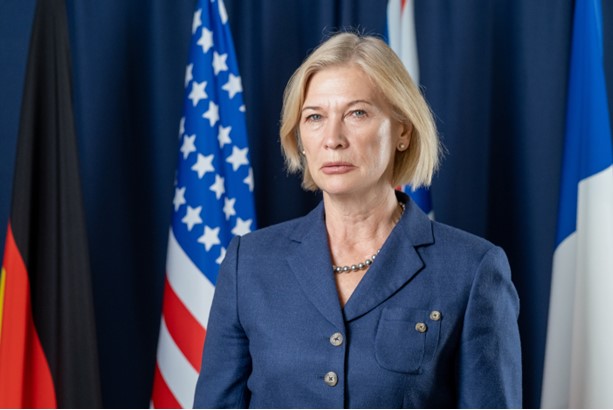
increasing women in leadership and political participation

Women in Leadership – The Challenges faced increasing women’s leadership and political participation

Women’s leadership and political participation has become one of societies hottest topics in the political sphere of discussion, as women in leadership roles continues to grow. There are many opinions about why there is a lack of women in politics, and the political system and those who influence and fund it can better encourage more participation by women. Out of a total of 193 UN nations only 9 have women in leadership roles; as either prime minister, president or some suitably otherwise named national leadership role. This represents a measly five per cent of UN nations who have women in leadership roles. Women in Leadership roles within the political arena is not a new or modern thing. It is not something that has just suddenly started to happen in the few decades as a result societal change. The reality is, women have been leaders, and good, powerful, respected leaders throughout history and have been involved in politics and ruling nations for many, many centuries. Historical Women in Leadership Roles Cleopatra – Egypt One of the most famous women in leadership is of course, Cleopatra, or Cleopatra VII Philopator to afford her her full title. She was the last active ruler of Ptolemaic Egypt and was a member of the Ptolemaic dynasty, a family which ruled Egypt for over 300 years. Cleopatra was born in 69 BC and her father was Ptolemy XII, who reigned from 51 to 47 BC and she had three older siblings, two sisters and one brother. This means she did not simply ascend to the role of leader; she had to literally fight her brother, make alliances and cheat death on a number occasions in order to take up her leadership role. Ancient Egypt had a tradition of their pharaoh’s being men, and whilst the historical record is a bit sketchy, there has been 3 or 4 female pharaoh’s over a period of the many thousands of years spanned by the dynastic Egyptians. Wu Zetian – China Other very prominent female leaders from history include Wu Zetian, who is probably the the most famous female leader in China’s very long history. She ruled as the Empress of China for 15 years from AD690 during the Zhou Dynasty. Catherine II – Russia Catherine II became Empress of Russia in 1762 and brought much needed and well received new ideas and inspiration: Russian culture, art, literature as well as the country’s economy thrived during her reign. Queen Victoria – Great Britain Queen Victoria was Queen of the United Kingdom from 1837 until her death in 1901. Her reign is known as the Victorian era, which was a period of cultural, scientific, industrial and military change. Her lasting influence on the UK culture, history and language can still be seen today with Victorian houses, architecture, and furniture, all being commonplace in our society today. Indira Gandi – India Indira Gandhi was the third Prime Minister of India, from 1966 until her death in 1984. Her power and ambition were unmatched, but what’s most important is that she was a trailblazing woman who did much for her country and still remembered and respected today. This list could go on and on and on of women who have risen to become leaders and left an indelible mark on history. What are the Barriers to Women’s Political Participation? There are many barriers to women’s political participation, such as, the lack of access to funding, the lack of representation in the media and low levels of current representation negatively impact women’s involvement in political processes. Because political leadership roles have, until recent times, been seen as a “man’s job”, women have less access than men when it comes to connecting with influential people within the political halls of power. This is due to the fact that when it comes to the informal networks, which are used to garner support and funding for political campaigns, these are also historically exclusively “men only” clubs or organisations. These traditions have seen women excluded from such networks, which still give men an advantage over women when it comes to political involvement. The Worm is Turning The proportion of women to men, in leadership and senior management roles, grew to 29% in 2019. This is the highest increase on record. As these figures suggest, the working environment in the business world has been changing for many years now, and it is no longer just a man’s world. However, from the most experienced women leaders to emerging young female leaders there are still challenges. The main challenge is that board rooms and leadership roles are dominated by men. However, this creates a unique opportunity for women to stand out and make an impact. Take me for example, in my previous career, by the time I was 30, I was the only woman on an all-male Board of a listed company. I was nervous of course, but my innate drive & ambition saw me through, I knew my subject area inside-out, and frankly – I am quite an assertive, dynamic person, who wasn’t about to be talked over.  But the experience was exhausting at times, having to hold my own, and feeling quite isolated. The Benefits of Women in Leadership Purdue University undertook an in-depth study, comparing male and female leaders. The study was entitled “Gender and the Evaluation of Leaders” and it revealed female leaders were far more transformational than their male counterparts, and demonstrated more contingent reward behaviour. The men on the other hand, demonstrated a more two-dimensional approach of passive and active management. In another study, the World Economic Forum found that countries with higher female representation in government are more peaceful than those with a low representation. Countries with the highest levels of women in government have a median score of just one point on the Global Peace Index, whilst countries with the lowest levels have a median score of 4.5 points on the Global Peace Index. It also found that women are far more likely

Women in Leadership – The Challenges faced increasing women’s leadership and political participation Read More »

women in leadership

Global Progress with Women’s Leadership and Gender Equality

Women in leadership is the flagship phrase for the drive for greater gender equality in the workplace. Gender equality is the goal of creating a social, economic, and political environment where all genders can equally participate and thrive. Gender equality is a fundamental human right, as well as an important component of sustainable development. Gender equality in the workplace means that women and men have equal opportunities to work, earn fair wages, access training and education, occupy positions of power and responsibility, enjoy decent working conditions free from sexual harassment or exploitation. Global progress with women’s leadership and gender equality has been made over the last few decades. For example, in 2017 there were 27 female heads of state out of 193 countries in the world. This is a significant increase from just 10 years previous when only 9 countries had female leaders. There is a need for more women in leadership positions and the world is taking notice. In 2022, there are more female CEOs in the world than ever before. However, even though women make up half of the world’s population, they only hold about one-third of all managerial positions and occupy less than 9% of executive roles. In fact, there are more CEOs named John than there are female CEOs at leading Fortune 500 companies. In the last 10 years, women have made a lot of progress in the business world. The number of female CEOs has increased by almost 50% and there are now 18 countries with a female head of state or government. These numbers represent an increase from just 3% to 5%. The Path to Global Progress for Women in Leadership Achieving gender equality is a global priority. It will not only lead to progress for women, but also for men and the whole of society. In the past decade, we have made progress in many areas: – In 1990, 12% of parliamentarians were women. Now it is 22%. – In 1990, 3% of CEOs were women. Now it is 9%. – In 1990, 24% of university professors were female. Now it is 34%. If we continue on this path, by 2050 we could see: – Parliamentarians at 50%, CEOs at 25%, and university professors at 50%. These projections have sadly been effected by the global pandemic. The World Economic Forum released a report entitled ”Global Gender Gap Report 2021”, which found that the time it will take to close the gender gap grew by 36 years in just 12 months. This means it will now take an estimated 135.6 years for men and women to reach parity, according to the report, which assesses areas including economic participation and opportunity, educational attainment, health and political empowerment. What can we do to increase women in leadership roles? In the past few decades, many countries have been working to close the gender gap in order to achieve global gender parity. The progress is slow but it is happening. The United States ranks at number 49 on the Global Gender Gap Index, while Sweden ranks at number 1. Countries like Norway have taken drastic measures to increase their female representation in business with quotas and incentives, with varied results. Quotas whilst achieving one goal, can sometimes come at expense of a vital metric in business – making money. The World Bank‘s “Accelerate Equality“ initiative is working to close gender gaps and give women more opportunities. It “provides an opportunity to showcase successes, learn, and develop ideas and further momentum for the future of gender equality and women’s leadership, while taking stock of remaining challenges and strengthening partnerships in the quest to #AccelerateEquality.” In order to increase women in leadership roles, we should avoid an outright reversal of the gender bias that has existed for generations. It is hardly setting a good example for gender equality if the solution involves excluding men from leadership roles, simply becuase they are not women. When hiring new employees, we should not focus on gender but instead on skillsets and competencies that the job requires. We should also provide training programs for both genders so they can learn how to work together better and improve their communication skills. It’s also not just about increasing the number of women at the top; it’s about empowering women across all levels of business, from entry-level to executive. How Women are Changing the Workplace to Become More Gender Inclusive Women are making significant contributions to the business world. They are changing the workplace to become more gender inclusive. One of the most important changes that women have made is by empowering other women. This is done through mentoring, coaching, and teaching skills that they have acquired over time. Women are also working together in order to create a supportive environment for all employees and provide opportunities for growth. Women in leadership positions have started to support other women by giving them opportunities and supporting their success. They have also created an environment where people can share their ideas without fear of being judged or criticised for them. What are main challenges for female leaders? Gender Bias The lack of gender diversity in work leadership roles is largely attributed to a lack of women, but it’s worth mentioning that this trend will continue if women are discriminated against on the job. For example, it is much harder for female engineers to be hired and have a chance at leading a team. Gender biases are not just a problem in the UK. They happen all over the world, and they’re the norm in some countries. It’s underpinned by a patriarchal mindset which makes it hard to change. Poor education is another big issue that exacerbates this problem in developing countries. A lot of people shy away from hiring someone that doesn’t look or think like them. It is human nature to put stock in people with whom we can identify. But in reality it’s important to diversify your workforce and not discriminate based on visual characteristics Negative

Global Progress with Women’s Leadership and Gender Equality Read More »

The barriers faced with increasing Women’s participation in leadership & decision-making

Women in Leadership: The barriers faced with increasing Women’s participation in leadership & decision-making

Continuing the series of articles on Women in Leadership, today we focus on the barriers faced with increasing Women’s participation in leadership and decision-making. Before we look at potential solutions to the barriers faced with increasing women’s participation in leadership and decision making, we must first identify what these barriers actually are. What are the barriers to women’s participation in leadership? Gender Bias One of the reasons there are not enough women in leadership roles is because women are often discriminated against in the workplace, and it is especially true for those in leadership positions. They have a much lower chance of being hired and leading a team, as well as being disproportionately likely to be fired from the position once they attain the role. This is global problem, not just a UK problem, with blatant gender bias in some countries seen as an acceptable cultural norm. Many believe this discrimination comes from the belief women are less competent than men as leaders. Research, however, refutes this and there is in fact no difference in competence between female and male leaders. There are many reasons for this type of discrimination such as unconscious bias, which results in a tendency to only hire or promote someone who look like them or think like them. Another reason is that it is painfully apparent that some in our society still feel threatened by powerful women. Another consideration is there could also be some other underlying causes that we do not yet understand or recognise. Unconscious Gender bias is baked into our society, culture, and idiolect. Here is a little test you can do yourself to demonstrate it, which is a common idiolectic trait we all exhibit. When referring to salutations of married couples, we say – “Mr and Mrs” not “Mrs and Mr” and describing gender roles we say – “male and female” not “female and male”. When we say these placing the female label first, our brain tells us “That’s the wrong way round and doesn’t sound right”. We deliberately did this a few sentences ago – “Research, however, refutes this and there is in fact no difference in competence between female and male leaders.” When you read that sentence, your brain subconsciously read it the other way round – as we said – baked in… The Lack of Female Role Models The lack of female role models at work can be a barrier for women’s success. When entry level employees see women in leadership at their organisations, it sends a clear message that they too can reach the top, which can motivate them to pursue it. This will encourage emerging female leaders to see themselves as capable and see their goals as achievable. Organisations should be actively supporting emerging female leaders and providing them with professional development programmes by experts with experience in what it takes to become women in leadership. Negative Stereotypes about Women Leaders There is a common misconception that – women are less assertive than men. There is a common misconception that – women have lower confidence levels than men. There is a common misconception that – women have inferior people management skills. It’s true that women are less likely to negotiate their salary, but this is because they’re less likely to be offered the opportunity. When they are asked, they’re just as likely to ask for more money as men. – Forbes However, a quick comparison revels these misconceptions are just poor generalisations. Let’s try this one – Boris Johnson is more assertive and has better people management skills than Margret Thatcher did. Laughable, isn’t it? How Can We Address These Issues? – Policy Recommendations The lack of gender equity in the workplace is a problem that has been around for decades. Whilst many nations have codified some of these recommendations into law, until this is a global norm, then women will always be in a minority when it cones to leadership roles. In order to address these issues, there are three policy recommendations that can be taken into consideration: The first recommendation is to enforce equal pay for equal work. This means that if two people are doing the same job, they should be paid the same amount regardless of their gender. The second recommendation is to eliminate gender discrimination in hiring and promotion practices. This means that if a person applies for a job and they are qualified, then they should not be discriminated against because of their gender. The third recommendation is to provide training and educational opportunities for women so that they have the opportunity to pursue jobs with higher compensation in fields where women are underrepresented such as STEM (science, technology, engineering, mathematics) and healthcare. Sarah Jones Coaching, Leadership Coaching and Women in Leadership. Sarah has personally overcome many challenges women face as they progress their careers on the path to becoming women in leadership. With over 25 years working in leadership positions within global organisations, Sarah is perfectly placed to coach and prepare women for leadership roles. If you are a woman, who is an aspiring leader of the future, or an organisation looking to prepare your female employees for roles in leadership, then please contact Sarah who can help you achieve your goals. The first step on your path to success starts with a free, confidential, 30-minute consultation with Sarah, so don’t delay and book today. BOOK A FREE 30 MINUTE CONSULTATION BOOK NOW Share This Article Share on facebook Share on twitter Share on linkedin Share on pinterest

Women in Leadership: The barriers faced with increasing Women’s participation in leadership & decision-making Read More »

women in leadership

Women in Leadership – Women’s leadership and development grants

Continuing our series of articles on Women in Leadership, today we focus on the important role Women’s leadership and development grants play in increasing the number of women in leadership roles. Women’s Leadership Development Grants are designed to provide women and women in leadership with the necessary skills and knowledge to be successful in the workplace. These grants are not only for women, but also for organisations that support women in leadership. The goal is to empower women, create a more inclusive workplace for everyone, build the capacity of organisations serving women in leadership roles and create more opportunities for women to lead. Why are grants needed for developing women in leadership? Women are underrepresented in leadership positions, and this is not just a problem for women. It’s a problem for business. Research has shown that companies with more women leaders perform better than those with fewer. In fact, the research found that the more women in leadership positions, the better the company does overall. This is because diverse teams have greater insight into different needs and perspectives, which can lead to innovative ideas and solutions. Women in leadership face a number of challenges that men in leadership do not have to deal with. Women in Leadership development grants support women leaders by identifying and addressing these challenges. Women’s development grants offer a solution for these challenges by providing resources for women entrepreneurs so that they can start their own business or improve an existing one. These grants provide funding for things such as education and training, business planning assistance, marketing support, and more. Grant programs look for projects that will lead to an increase of women in leadership roles and sustainable change for women leaders. Applicants must submit a detailed proposal on how they would use the grant funds to help get more women in leadership positions, become more effective leaders, or advance their careers. What are the Necessary Qualifications for Grant Funding? In order to be eligible for a grant, you must meet a qualifying criterion. This criterion varies from grant to grant, but typically includes the following conditions: – You must be a woman. – You must have an idea or project that will benefit women. – You must not have received any funding from the government or private donors in the past two years. – Your project idea should not involve lobbying for legislation or public policy change. What type of expenditure is permitted with Grant funding? The specific uses for the funding awarded from a grant organisation vary depending on your project and the funding awarded to you. One of the consistencies between almost all grants available for women in leadership development is the money awarded from a grant organisation does not have to be paid back at any point in time. This means that if the project or venture does not work out as expected, the recipient won’t be landed with a repayable debt, as you would with bank loan, and it will not affect the recipient’s ability to apply for other grants in the future. Typically, when someone is awarded funding from a grant organisation it can be used to cover many different types of expenses. For example, if you need to purchase equipment and resources needed for your project or venture, or you are required to attend an event or training, the funding can be used for this. What is the Process of Applying and Getting Funding? The process of applying and getting grant funding can be a very challenging and time consuming. There are many steps that one will need to take in order to apply for a grant or get funding. The first step is to identify the right grant or financial opportunity for you. Grant eligibility is often overlooked and can lead to many a wasted hour preparing a grant application where the recipient has absolutely zero chance of being successful, because they do not fit the criteria. Some grants are specifically for women of a particular, race, age, or financial status, whereas others are limited to women who have certain academic or business qualifications. A good place to start is by looking at the website of the organisation that offers it. They will have information about eligibility and how to apply for their grants or opportunities as well as what they are looking for in applicants. If you cannot find any information on their website, then you can search online for other websites that offer similar grants or opportunities and use them as inspiration on how best to approach your application. Which organisations offer grant funding for Women in Leadership? Below is list of some of the organisations who offer grant funding specifically for promoting and increasing women in leadership roles. Women and Leadership International Women’s Leadership Initiative Women in Innovation Awards Female Founders Fund The Bill and Melinda Gates Foundation Astia Abie Awards The Nike Foundation HATCH support programmes Ford Foundation The Rockefeller Brothers Fund P Morgan Chase & Co Goldman Sachs Group Sarah Jones Coaching, Leadership Coaching and Women in Leadership. Sarah has personally overcome many challenges women face as they progress their careers on the path to becoming women in leadership. With over 25 years working in leadership positions within global organisations, Sarah is perfectly placed to coach and prepare women for leadership roles. If you are a woman, who is an aspiring leader of the future, or an organisation looking to prepare your female employees for roles in leadership, then please contact Sarah who can help you achieve your goals. The first step on your path to success starts with a free, confidential, 30-minute consultation with Sarah, so don’t delay and book today. BOOK A FREE 30 MINUTE CONSULTATION BOOK NOW Share This Article Share on facebook Share on twitter Share on linkedin Share on pinterest How many female leaders are there, who were the leaders of the women’s movement, why aren’t there more females in leadership roles. Women’s leadership academy Loyola, women’s

Women in Leadership – Women’s leadership and development grants Read More »

women in leadership

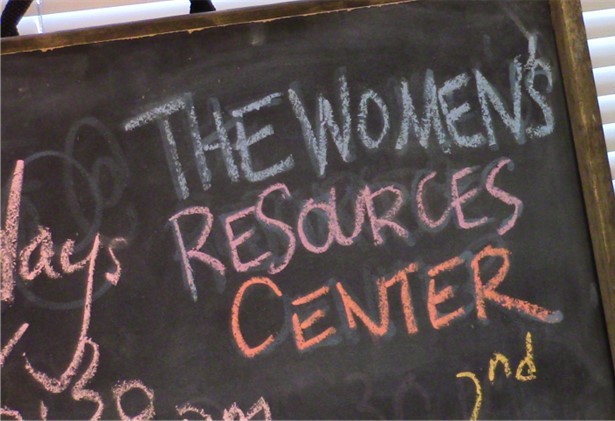
Women in Leadership – Women’s leadership and resource center UIC

As women in leadership becomes a mainstream focus in the business, political and educational sectors, we today are reviewing the important role of the Women’s Leadership and Resource Center uic. The Women’s Leadership and Resource Center is located at the University of Illinois at Chicago in the USA and is most commonly referred to as the UIC Women’s Leadership Center. The UIC Women’s Leadership Center is well known as the hub for different resources, events, and education relating to women’s leadership. The goal of this organisation is to “increase awareness of and affirm the diverse needs of woman-identified persons in higher education; provide opportunities to learn about the histories of and contemporary issues in feminist movements” It offers a variety of programs and resources for women who are interested in leadership development. They offer a range of courses, workshops and other opportunities to help women develop their skills in leadership, communication, negotiation, team building or project management. They also offer opportunities to explore personal interests in specific fields like law or medicine. The UIC Women’s Leadership Center is an incredible resource for female leaders. They provide a space where women can learn and grow their leadership skills, as well as a place to network with other like-minded individuals. The UIC Women’s Leadership Center has been providing resources and programming to women for over 30 years. They offer programs such as the Women in Leadership, which provides opportunities for professional development, and the Women in Innovation, which teaches women about entrepreneurship. The Importance of Supporting Women in Leadership Development Women make up half of the workforce and yet they only occupy 25% of leadership positions. This is a huge discrepancy that needs to be addressed as soon as possible. Women need more support in order to advance their careers and reach their potential as leaders in the workplace. There are many reasons why women are not taking on leadership roles in the workplace. One of the main reasons is that they do not feel confident enough to take on these roles. Women do not get enough support from their managers and mentors, which discourages them from taking on bigger leadership roles. A lack of female role models is also a big factor. One thing that can make a difference for women in the workforce is what they see in terms of female leaders. Seeing a woman at the top makes it seem like there is no limit to what any woman can achieve, by motivating them to reach for more. Women are starting to see themselves as capable and know their goals are achievable. Organisations should be actively supporting emerging female leaders and providing them with training and development programmes by experts who understand what it takes for women in leadership to become something more than a token gesture or the exception to the rule in board rooms. The Benefits of Women in Leadership Development Programs Women in leadership development programs have the potential to make a significant difference in the workplace and society. The success of these programs is dependent on how well they are designed, implemented and evaluated. Women’s leadership development programs should be tailored to the needs of individual women and their organisations. The Benefits of having more Women in Leadership roles The benefits of women in leadership roles is increasing and the research has shown that this is benefitting, not only businesses, but society as a whole. Here are just three benefits of having more women in leadership roles: 1. More women means better problem solving Research has found that if we collaborate with people of different genders, ethnicities and races in our office, the work will improve on both an individual and team level. A study by Scientific American, entitled “How Diversity Makes Us Smarter” found that a more diverse workforce us makes us more diligent, hardworking, and creative. Building teams and organisations capable of innovation, requires diversity. Diversity improves creativity and encourages the search for novel information and perspectives, leading to better decision-making, problem-solving and outcomes. By increasing the numbers of women in leadership from different backgrounds into your company, provides a base to build upon and will improve the chances of success. 2. Women in leadership are trustworthy In America, Pew conducted a survey about Women in Leadership and when asked about the honesty and ethical standards of executives, the survey found that almost 35% responded that women are more honest, ethical and trustworthy, whilst only 3% said men are, with 64% saying there is no different between the genders in this regard.   This does not mean women are more honest than men in general but could be more of a reflection of the many high-profile cases of corruption or a lack of ethics we see in the news media today involving men in positions of power. They say power corrupts and with more men in powerful positions than women, then it is not unreasonable to expect, more will be brought to our attention when unethical behaviour is found. 3. Women leaders are more collaborative In a study by McKinsey, it was found that women are more collaborative and better at making deals than their male counterparts. Women leaders also lead in a way that is more inclusive of other people’s needs. There is often an assumption that women are less likely to negotiate the best deal for themselves or their employers. While this may be true for a small segment of women, research shows that globally, women tend to out-negotiate men when it comes to hiring and pay. Sarah Jones Coaching, Leadership Coaching and Women in Leadership. Sarah has personally overcome many challenges women face as they progress their careers on the path to becoming women in leadership. With over 25 years working in leadership positions within global organisations, Sarah is perfectly placed to coach and prepare women for leadership roles. If you are a woman, who is an aspiring leader of the future, or an organisation looking to prepare your

Women in Leadership – Women’s leadership and resource center UIC Read More »

Women in Leadership - 5 Ways to Increase Women's Political Participation

Women in Leadership: 5 Ways to Increase Women’s Leadership and Political Participation

Continuing the series of articles on Women in Leadership, today we focus on the ways to increase women’s leadership and political participation. Women are not just getting into politics for the first time. Women in Leadership is not a new concept by any measure, as women have been involved in politics for centuries. But despite their efforts, women have not been able to achieve gender equality in the political sphere. Before we get to our 5 ways to increase women’s leadership and political participation, we will first outline some of the challenges and barriers that have resulted in women being under-represented in politics. The Barriers to Women’s Political Participation There are many challenges facing women in the political process. Lack of access to funding, lack of representation in the media and low levels of female representation could negatively affect women’s involvement in government. Women are less likely to be asked to run for office or encouraged by people who can help them win. A lot of these obstacles also come from other women themselves who don’t want to support a peer, which lowers the number of female candidates running. Women are less likely to have the skills and experience required for a position, which makes it harder to find a job that can lead to political success. Women also have less access than their male counterparts when it comes to having connections with influential people and other power brokers in society. This is because they are often excluded from the informal networks that give men and women an advantage, especially when businesses are on the line. In addition to conscious and unconscious biases, there are also stereotypes that influence the way people view others & decide on their expectations of them. These “rules” can be related to gender, race, sexual orientation, age groups etc. One example of these rules is typically a scenario where a male is needed for something whereas a female would do it better. These beliefs are deeply rooted in our culture and begin as early as the first moments of life when people are systematically classified into one of three different sex categories: male, female, or neutral. These classifications have many effects on people’s perceptions on what they should look like, what jobs they should and shouldn’t do, etc. Women are underrepresented in politics, which is especially noticeable in the governmental sphere. Women have a long way to go before they achieve equal representation in the political arena. The more women who take an interest and know more about what’s going on at the macro-level in their country, the more likely they are to make a difference locally, making it easier for other women coming behind them. Women in Leadership Here are 5 ways to increase women’s leadership and political participation: 1. Quotas Women are still underrepresented in politics and this is a problem that needs to be addressed. One way to fix this is by implementing quotas for women in politics. In countries such as Sweden, Norway, and Rwanda, the number of female politicians has increased significantly since the implementation of quotas for women were introduced. The quota system is controversial because it can lead to other problems such as tokenism and tokenism can cause the best qualified candidates not being elected. 2. Offer Women a Supportive Environment for Careers in Politics With the rise of women in politics, there has been a rise in the number of female politicians. However, women still struggle to find a supportive environment for their careers. The Women’s Leadership Project is an organisation that aims to provide a supportive environment for women who are interested in pursuing a career in politics. This organisation was founded by two female politicians, and it provides them with mentorship and guidance on how to get involved in politics. The Women’s Leadership Project is a great example of how organisations are supporting women who want to enter the field of politics. 3. Increase Media Exposure of female role models Women are slowly becoming a more prominent part of the political landscape. But because women are still not as prevalent in the media, they don’t get as much attention and recognition that they deserve. The number of female politicians has increased over the years, but they are still falling short of the 50% mark of the country’s elected officials. The media plays a large role in how people perceive female politicians and can help increase their political exposure by giving them more coverage. There are many different ways to increase the media exposure for female politicians such as having them speak on panels and writing articles about their campaigns. 4. Develop Mentoring Programmes The Women in Politics Mentoring Programme is a mentorship programme for women who are interested in pursuing careers in politics. The programme provides support and guidance to the women on how to navigate the political landscape, what skills they need to take their career to the next level and how they can get involved in political decision making. The Women in Politics Mentoring Programme was created by the United Nations Development Fund for Women (UNIFEM) and is currently being implemented by a number of countries across Africa, Asia and Latin America. The idea of this programme is that it provides an opportunity for women who want to enter politics, but do not have access or the right networks to get involved with the political process. 5. Training and leadership programmes for women Women in Politics is a training programme that aims to increase the number of female politicians and political leaders. The programme is designed to help women to develop their leadership skills and understand the key issues that are important for women. The training programme has been developed by Women in Politics, a UK-based charity, with funding from the EU. The organisation has also partnered with various other organisations such as the UN Women, European Commission and International IDEA to create an international network of support for women in politics.

Women in Leadership: 5 Ways to Increase Women’s Leadership and Political Participation Read More »

Women's Leadership and Development Program

Women In Leadership: Women’s Leadership & Development Program – Project Grants

The Women’s Leadership and Development Program is a project grant program that provides funding to women-led organisations with the goal of increasing Women in Leadership roles. This program is part of a larger initiative by governments all around the world, as well and the United Nations Development Programme. The grants are used to provide training and resources for women who are interested in leadership roles. The program provides the financial resources to empower women to be leaders and make an impact on their communities, nations and on the international stage. Examples of Project Grants for Women’s Leadership and Development Programs In Australia the government introduced project grants for women’s leadership and development programs with the following quoted qualifying criteria “The Australian Government funds the WLDP to deliver a range of projects specifically for Australian women. Additional funding over 2020-21 to 2023-24 was announced in the 2020-21 Budget as part of the 2020 Women’s Economic Security Statement to expand the WLDP to introduce a new women’s job creation priority area and boost existing priority areas. The objective of the WLDP is to improve outcomes for Australian women in six key focus areas: women’s job creation; women’s economic security; women’s workforce participation; women’s leadership; women’s safety; and international engagement. This grant opportunity supports projects that achieve tangible improvements in outcomes linked to the achievement of all, one, or a combination of the key priority areas of the WLDP (note: international engagement will not form part of this grant opportunity). Priority will be given to applicants who can demonstrate how their project complements existing initiatives under the Government’s Job Maker Plan, in particular the Job Trainer Fund, to work in partnership with the Commonwealth.” The UNDP provides a wide range of project grants for women’s leadership and development, which are focused on specific agendas, such as climate. One example is “Women as Environmental Stewards – The Experience of the Small Grants Programme”. A quick search of the UNDP website for “women’s leadership and development grants” returns more than 100 results. Why is it important to invest in Women’s Leadership Programs? Women are underrepresented groups in leadership positions. They are only 17% of CEOs and make up less than 25% of senior management. This is why it is important to invest in Women’s Leadership Programs to help them grow as leaders and managers. Women in Leadership Programs help women develop the skills necessary for leadership positions, such as networking and negotiation, which will provide them with the tools they need for success and teach women skills that will give them a competitive edge over their male counterparts. The Importance of Women in The Economy The importance of women in the economy is a topic that has been discussed for decades. Women have always played a significant role in the economy, but today, they are more important than ever. The percentage of women in the workforce is on the rise and they are now earning more degrees than men. The change can be attributed to many factors such as a need for diversity, advancing technology, and globalisation. Women now represent 47% of all workers in the United States and are projected to make up 51% by 2038. This means that women will make up half of the workforce! Is There a Link Between Women in Leadership and Peace? In a world where women’s empowerment is not a priority, the prospects of world peace are low. An increase of Women in Leadership is therefore an important factor in the prevention of conflict and the prospects of peace. The World Economic Forum reported countries with a higher representation of women in leadership roles in government are more peaceful. These countries have a much better score on the Global Peace Index. The WEF reported that the reason for this, is women are less likely to make decisions that prioritise violence and aggression and more likely to favour cooperation and dialogue as the path forward. The Role of Women in Peacebuilding Processes It is important for women to be involved in peace processes. Women have a different perspective on conflict resolution and are more likely to understand and address the needs of the people, and also more likely to favour nonviolent methods to resolve problems. One of the main advantages of including more women in peace negotiations include an increased likelihood of success via peaceful means, which are also more likely to result in improved relationships among communities and better health care and education provisions for people in conflict zones. Creating a Women in Leadership Development Program Development programmes for Women in Leadership are a major influencer to the success of any organisation. The vast majority business leaders firmly believe you need a well-planned and structured leadership pipeline if your organisation is to succeed. This creates the challenge of balancing leadership in relation to gender. It’s important for organisations to create a deep leadership pipeline so that everyone feels like they have opportunities for growth and development. Sarah Jones Coaching, Leadership Coaching and Women in Leadership. Sarah has personally overcome many challenges women face as they progress their careers on the path to becoming women in leadership. With over 25 years working in leadership positions within global organisations, Sarah is perfectly placed to coach and prepare women for leadership roles. If you are a woman, who is an aspiring leader of the future, or an organisation looking to prepare your female employees for roles in leadership, then please contact Sarah who can help you achieve your goals. The first step on your path to success starts with a free, confidential, 30-minute consultation with Sarah, so don’t delay and book today. BOOK A FREE 30 MINUTE CONSULTATION BOOK NOW Share This Article Share on facebook Share on twitter Share on linkedin Share on pinterest

Women In Leadership: Women’s Leadership & Development Program – Project Grants Read More »

Women in Leadership and Gender Equality

5 Ways to Increase Women in Leadership and Gender Equality

Women in Leadership and Gender Equality have become hot topics over the last few years, with more Fortune 500 companies seeing the financial benefits from having more women in leadership roles. Ask yourself this question – If women in leadership and gender equality were not important topics, why have women been fighting for equality for centuries? They have fought to be seen as equals in the workforce, to be considered more than personal assistants, receptionists, or secretaries, and to be able to make the big decisions that influence the direction and success of the organisations they work for. There are still some people today who either think, women already have equality or are simply not entitled to equality. A quick look around the world will confirm this to be fact, where women in some countries are still viewed as second class citizens, or worse still, property! Women are still underrepresented in leadership roles, professional women are often not respected as much as their male counterparts, and women in business have a harder time getting funding than men. In this article we will look at 5 ways to increase women in leadership roles and gender equality in the workplace: 1. Engage the top executives and C-level leaders The C-level executives are one of the most influential groups in the workplace. It is important to engage them in order to promote gender equality and women’s empowerment. Some organisations have already taken steps to do this by establishing women’s networks and mentoring programmes for female managers. These initiatives have been shown to increase retention rates for female employees and create a more diverse workforce. 2. Provide Mentorship Programmes The mentorship programme is a process where a successful person shares their knowledge, skills and experience with another person who is less experienced. This process can be done in-person or remotely through phone and video chats. The main goal of this programme is to ensure that the less experienced person learns from the more experienced one, and that they have access to opportunities that they wouldn’t have had without the mentor’s help. Mentorship programmes are an effective way to accelerate the career of women in leadership. The mentorship programme for women in leadership has been proven to be very valuable for women who are looking to climb up the corporate ladder. When it comes to professional development, mentoring has been shown time and time again as being one of the most effective ways for people who are new or just starting out to get ahead. It’s been found to make a significant difference in the lives of mentees, helping them discover and develop their talent and potential. 3. Eliminate Double Standards The workplace has been a traditional domain for men, with women often being seen as less competent and less committed to the job. This is because of the long-standing double standards in the workplace. Women are expected to be more caring and nurturing while at work, while men are expected to be strong and assertive. Women in leadership positions have to deal with different challenges than their male counterparts. They have to prove themselves more often, they are held to higher standards, they are expected to show a greater commitment than their male counterparts and they have a greater difficulty balancing work and family life. 4. Clean Up the Language The language used in the workplace is important. The way that men and women talk to each other can have a significant impact on their attitudes. For example, a man might be more likely to call a woman ‘sweetheart’ than ‘mate’. In this way, the language we use in the workplace can affect how we think about women and how they are perceived by others. In order to change this attitude, there needs to be a shift in the language we use at work. This shift will make it more difficult for anyone with negative attitudes towards women to justify their thoughts or actions. The language we use in the workplace also has a huge impact on how we perceive people. For example, words like “he” or “man” are often used to refer to both men and women. When women are not included in the conversation, it can make them feel excluded, underrepresented and less empowered. 5. Maintain a Diverse Workforce ­ A diverse workforce is a workforce that includes people from different cultures, races, genders, sexual orientations, and abilities. A diverse workforce is important for many reasons. It can lead to better decision-making and creativity. Diverse teams are also more likely to produce higher-quality work than homogeneous groups because they bring in different perspectives and knowledge. Companies should not only focus on hiring diverse employees but also take care of them once they are hired. They need to make sure that the company culture is inclusive and that managers are supportive of their employees’ needs. And lastly, companies should provide diversity training for their employees so they can create an environment where all types of people feel welcome and valued. Sarah Jones Coaching, Leadership Coaching and Women in Leadership. Sarah has personally overcome many challenges women face as they progress their careers on the path to becoming leaders. With over 25 years working in leadership positions within global organisations, Sarah is perfectly placed to coach and prepare women for leadership roles. If you are an aspiring female leader of the future, an experienced female leader or an organisation interested in dramatically increasing the prospects of your female employees becoming successful leaders, then please contact Sarah who can help you achieve your goals. The first step on your path to success starts with a free, confidential, 30-minute consultation with Sarah, so don’t delay and book today. BOOK A FREE 30 MINUTE CONSULTATION BOOK NOW Share This Article Share on facebook Share on twitter Share on linkedin Share on pinterest

5 Ways to Increase Women in Leadership and Gender Equality Read More »

Women's leadership and political participation

Women in Leadership – Women’s leadership and political participation

Women’s leadership and political participation is a hot topic. There are many debates about the reasons for the lack of women in politics, and how to encourage more women to participate. Currently, only nine out of 193 UN countries have woman in leadership roles as president or prime minister. This is about five per cent of members. This article will take a look the history of women’s leadership and political participation, what barriers they face and how to encourage more women to participate in politics. History of women’s leadership and political participation Less than a year after women won the right to vote in the UK, in 1918, the Parliament Act was passed, allowing women to stand as Members of Parliament for the first time. Less than a month later, the 1918 general election took place with over 8.5 million women eligible to vote for the first time and sixteen women stood as parliamentary candidates. Among these were leading figures from the suffrage movement, including Christabel Pankhurst, Emmeline Pethick-Lawrence, and Charlotte Despard. Christabel Pankhurst, the daughter of Emmeline Pankhurst, and co-founder of the Women’s Social and Political Union, earned an impressive 47.8% of the vote share in her constituency of Smethwick, coming in second place. Countess Constance Markievicz was the only woman elected to Parliament in 1918. She ran as the Sinn Fein member for Dublin St. Patrick and won with nearly two-thirds of the vote. However, as an Irish nationalist, she did not take her seat in Westminster. The first woman to take her seat as an MP was American-born Viscountess Nancy Astor, who became the Conservative MP for Plymouth Sutton in 1919. She remained in Parliament until 1945. In 1921 Margaret Wintringham became the first British born woman to take her seat in Parliament. She won her seat in a by-election, triggered after her husband, and the sitting MP for Louth had died. Margaret only served as an MP until 1924, when she lost her seat at the General Election. During her short time as an MP, she campaigned for equal pay, women to receive the vote on the same terms as men, women-only railway carriages and state scholarships for girls. The first female Labour Party MPs were elected in the 1923 election – including Margaret Bondfield, MP for Northampton. Under the first Labour government, between 1929 and 1931, Margaret became the UK’s first female cabinet minister after being named Minister of Labour, after previously been the first female chair of the Trade Unions Congress. In 1979 Conservative MP Margaret Thatcher became the UK’s first female Prime Minister. She served in office as Prime Minister for 11 years, making her the longest serving British PM of the 20th century. 559 women have been elected to the House of Commons, since 1918. Today, 225 out of 650 MPs in Parliament are females which is 35%. This is an all-time high, with a steady, and fairly rapid increase, since Margaret Thatcher’s victory in 1979. Currently, only nine out of 193 UN countries have women in leadership as either the president or prime minister, which is only about five per cent of members. So whilst great strides have been taken around the world to increase gender diversity across all levels of government, including local councils and national parliaments, there is still a long way to go. The Barriers to Women’s Political Representation There are many challenges facing women in the political process, such as lack of access to funding, lack of representation in the media and low levels of female representation. Women also face a lot of obstacles when running for office. Women are less likely to be asked to run for office or be encouraged to do so by people who can help them win. Women are less likely than men to have the skills or experience required for a position, which makes it more difficult for them to find a job that has the potential to lead up the political ladder. Women also have less access than their male counterparts when it comes to having connections with influential people and other power brokers in society. This is because they are often excluded from informal networks that exist at work and outside work. Unconscious Bias and Stereotypes also play a role. These biases can shape the way we view others, what we expect of them, and how we feel about ourselves. One common example of unconscious bias is gender stereotypes, which dictate the roles that males and females should have in society. These beliefs are deeply rooted in our culture and begin as early as the first moments of life when people are classified by sex, which influence people’s perceptions of what someone should looks like, what jobs they should and should not do and how they should act. How to Encourage More Participation in Politics Women are underrepresented in politics. Women have a long way to go before they achieve equal representation in the political sphere. The more women who take an interest in and know more about what is going on in their countries, the more likely they are to get involved in making change happen. The United Nations has set an ambitious goal of achieving gender parity in national legislatures by 2030, but many countries are not on track to meet this goal. There are many things we can do to encourage more participation in politics by women, here are a few: Quotas Offer Women a Supportive Environment for Careers in Politics Increase Media Exposure of female role models Develop Mentoring Programmes Training and leadership programmes for women On the subject of training and leadership programmes for women, the United Nations Development Programme announced that from 2021 – “newly elected women representatives will be able to unite around the values of equality, non-discrimination and the development of their communities. The Enhancing Women’s Political Participation at the Subnational Level project provides for the development and holding of offline and online training events for newly elected representatives, as

Women in Leadership – Women’s leadership and political participation Read More »

women in leadership

Women in Leadership: How to Increase Women’s Participation in Leadership and Decision-Making

Many forward-thinking organisations, who recognise the value and benefits of women in leadership, dedicate time and resources into developing strategies on how to increase women’s participation in leadership and decision making. Why? Because representation matters. It matters because it is the only way we can see our own lives reflected in the world around us. It matters because it is the only way we can see ourselves as powerful and capable of making change. It matters because it is the only way to combat exclusion and discrimination, and to create a society where all people have equal access and opportunity. The lack of representation in leadership positions, media, STEM fields, etc., has a big impact on all areas of life: self-esteem, confidence, mental health, career aspirations, educational attainment, etc. Women are still underrepresented in many areas of life – from leadership positions to media representations to STEM fields. This underrepresentation has a huge impact on all aspects of every person’s life. What is the Link Between Women’s Representation and Peace? In a world where women’s empowerment is not a reality, there can be no peace. Women’s empowerment is essential to the prevention of conflict and the promotion of peace. The World Economic Forum found that countries with higher female representation in government are more peaceful than those with a low representation. Countries with the highest levels of women in government have a median score of just one point on the Global Peace Index, while countries with the lowest levels have a median score of 4.5 points on the Global Peace Index. Furthermore, women are more likely to make decisions that prioritise cooperation and dialogue over violence and aggression. The Role of Women in Peacebuilding Processes It is important for women to be involved in peace processes. They are more likely to understand and address the needs of the people, and they have a different perspective on the conflict. Women are also more likely to use nonviolent methods to solve problems. The benefits of peace negotiations include: an increased likelihood of success; reduced violence; improved relationships among communities; increased education opportunities for children; and better health care for people in conflict-affected areas. Women’s Freedom & Human Rights – Key Components Of Sustainable Development Goals The Sustainable Development Goals (SDGs) are a set of 17 goals that all 193 United Nations member states and at more than 20 international organisations have agreed to achieve by the year 2030. The SDGs were adopted by all UN members on September 25, 2015, at the UN headquarters in New York. The SDGs are about people and planet: ending poverty, combating climate change, and achieving gender equality. The SDGs are not just about development; they are also about human rights. It is difficult to achieve sustainable development without respecting human rights. For example, women’s freedom and human rights are key components of sustainable development goals. Why is it Important for Women to Rise to Leadership Positions? There is an increasing number of women in leadership positions today. This is a great sign for gender equality and the future of our society. The world has seen a rise in women leaders over the past few decades, but it’s still far from being equal. There are many reasons why it’s important for women to rise to leadership positions, but here are two main ones: – Women have different perspectives than men do. – The more diverse the team is, the better decisions they make. What are some effective strategies for female leaders? In recent years, we’ve seen a lot of changes in the workplace. More women are now taking on leadership positions and managing companies. In order to be successful, female leaders need to develop specific strategies that will help them overcome the challenges they face. Women should not hesitate to ask for a raise or promotion if they feel they deserve it. Women should also be willing to negotiate with their employer and try to find out what they are worth in the market. Women should be assertive, but not aggressive or pushy. Women should be confident in their ability to make decisions without being pressured by others. Women should be confident in demonstrating their ability to be a team player and work well with others Women should also make sure that they are not overworking themselves by setting boundaries between their work and personal life. This can save them from burnout and help them maintain a healthy lifestyle for themselves and their family members. What are the barriers to women’s participation in leadership? 1. Lack of Female Role Models The lack of female role models in the workplace can be a barrier to women’s success. It is important for young girls to see successful women in order to be able to envision themselves in that position. Girls need to know that they are capable of reaching the same level as men do. In order for change to happen, it is important for men and women alike, not just females, to take a stand and say “no” when they see unfairness. 2. Gender Bias The workplace is not always a safe space for women, and this is especially true when it comes to leadership. Women are less likely to be hired for a leadership position, and are more likely to be fired from their jobs once they have attained that position. This is not just a problem in the UK; across the world, women are discriminated against because of their gender. Some people believe that this discrimination stems from the belief that women are less competent leaders than men. However, research has shown that there is no difference in competence between male and female leaders. There are many possible causes of this discrimination: unconscious bias may cause people to hire or promote someone who looks like them or think like them; people may feel threatened by powerful women; or there may be some other underlying cause that we do not know about. 3. Negative Stereotypes about

Women in Leadership: How to Increase Women’s Participation in Leadership and Decision-Making Read More »

women in leadership

Women in Leadership: How Women are Breaking the Boundaries and What You Should Know

Women in Leadership: Why is this Topic Important? A lot of research has been done on the topic of women in leadership and management. However, the question still remains: why are there so few women in leadership positions? This is a question that has been asked for a long time. Women make up 50% of the world’s population, but only represent around 10% of Fortune 500 CEOs and 25% of Fortune 500 board members. Women are also underrepresented as managers at all levels in corporations. The reasons for this disparity are not clear, but it is important to address this issue because women bring different perspectives to leadership and management that can benefit organizations and society as a whole. Role of Women in Leadership Positions Women are often seen as the minority in leadership positions, and they are not given the same opportunities as men. The statistics don’t lie, women make up half of the global workforce but account for only a quarter of all managers. The lack of female representation in leadership positions has been attributed to many factors, including discrimination and hidden barriers to entry. The topic of this section is about how women are increasingly becoming leaders in society. There are many hidden barriers that prevent women from being able to be leaders, such as discrimination and a lack of opportunity for female executives. Women make up half the global workforce but only a quarter of all managers, making them the minority in leadership positions. Gender-Based Bias or Prejudice Against Women and Girls The term “gender bias” is used to describe the discrimination or prejudice against women and girls. The two words are often used interchangeably but have different meanings. Gender discrimination is an act of discriminating against someone on the basis of gender, for example, not hiring a woman for a promotion because she is a woman. Gender bias refers to the cultural, social, organisational and personal beliefs that create prejudice or discriminatory behaviour towards one gender over another. Women are at greater risk of being targets of violence than men in many parts of the world. Violence against women includes physical abuse such as slapping, sexual abuse, emotional abuse and economic abuse. The Negative Implications of Gender Discrimination on Society & Society’s Response to It Gender discrimination is one of the most common forms of discrimination in society. It has persisted for centuries and has been a major factor in shaping the world we live in today. Women have been oppressed for centuries due to their sex, which has caused them to be under-represented in many areas of society. This can affect women’s chances of getting into positions of power or having an equal wage at work. Women are also seen as inferior to men in many parts of the world because they are seen as less capable and less intelligent than men due to their sex. Society’s response to gender discrimination has been varied and often contradictory, but it has also been effective at mitigating some of the negative implications. The International Women’s Movement and the History of Women’s Suffrage The history of women’s suffrage is a long and complicated one. It is important to understand the movement’s roots in order to better understand what the international women’s movement has achieved today. Women were denied their right to vote until 1869, when New Zealand became the first country to grant women full voting rights. This was followed by Australia granting female suffrage in 1902, Finland in 1906 and Norway in 1913. However, it wasn’t until 1928 that all American women were granted suffrage with the passage of the 19th Amendment to the US Constitution. Norway Introducing Gender Quotas for Boards of Directors Norway introduced gender quotas for boards of directors in 2007. The move is part of a broader European Union initiative to promote gender equality in the workplace. The country is the first in Europe to introduce such a measure, and it comes at a time when Norway is debating whether to put quotas on corporate boards as well. In Norway, board members are appointed by shareholders and the government, so the law change would not require any changes to company law. Women’s Participation in Leadership and Decision-making The United Nations has called for the empowerment of women and girls as critical to achieving the 2030 Agenda for Sustainable Development, which aims to end poverty, protect the planet, and ensure prosperity for all. The world has changed. And while the benefits of globalisation are clear, we need to ensure that women and girls have a seat at the table. Globalisation has boosted economic growth in countries all over the world, but it is women who are often left out of these benefits. The result is economic stagnation and poverty for entire communities- which can lead to instability and conflict. We need to make sure that women’s voices are heard, their skills used, and their potential unlocked. Women’s participation in the economy is key to growth and it needs to happen now. Sarah Jones Coaching, Leadership Coaching and Women in Leadership. Sarah has been through many of the roadblocks and challenges women will face as they progress their careers and look to join the growing ranks of women in leadership. With over 25 years of serving in a leadership capacity within global organisations, Sarah is perfectly placed to coach and prepare women for leadership roles. If you are a woman, who is an aspiring leader of the future, please contact Sarah who will help you achieve your goals. The first step on your path to success starts with a free, confidential, 30-minute consultation with Sarah, so don’t delay and book today. BOOK A FREE 30 MINUTE CONSULTATION BOOK NOW Share This Article Share on facebook Share on twitter Share on linkedin Share on pinterest

Women in Leadership: How Women are Breaking the Boundaries and What You Should Know Read More »