Sarah Jones Leadership Coaching

Conscious Leaders

the cost of poor leadership

The Cost of Poor Leadership

The cost of poor leadership can be measured in many ways. Poor leadership skills can have a huge impact on your company. They can lead to high staff turnover, increased absenteeism and decreased productivity. The cost of poor leadership skills are not just financial, but can affect the company’s culture and morale as well. Improving management and leadership skills are an essential factor in improving productivity and are a critical factor, not only in individual businesses, but the UK economy as a whole. Many experts agree that the quality of management and leadership are the biggest factors determining business performance and national productivity. It is estimated that almost three quarters of employers, do not properly prepare and train employees, who are trust into managerial positions due to promotions or staff turnover. This has resulted in over 2 million employees being promoted into management or leadership positions without being fully prepared or supported. The Chartered Management Institute refers to these 2+ million employees as “accidental managers” and identifies this as a core reason behind the cost of poor leadership being so high. The cost of poor leadership. Why does this matter? The economic benefit of transforming “accidental managers” into conscious leaders cannot be underestimated. Investors in People estimates that poor management and leadership currently costs UK businesses around £85 billion per year in lost productivity. That’s billion with a B – every year! That represents almost 3% of the UK’s annual GDP. The three most widely recognised costs of poor leadership are financial, customer retention and employee turnover. The cost of poor leadership The Financial Cost of Poor Leadership Poor leadership can lead to a lack of motivation and productivity. The cost of poor leadership is not just in the form of lost revenue, but also in the form of lost talent. Leadership is an important factor in any organisation. It’s not just about getting results and making money, it’s also about managing people properly. A good leader should be able to inspire their team to work harder, smarter and with more enthusiasm. The Customer Retention Cost of Poor Leadership Companies that have poor leadership practices tend to have a high customer turnover rate. The cost of acquiring new customers includes marketing, advertising and sales commissions. Depending on the market sector you operate in and its competitiveness, these costs are typically much higher than the cost of keeping an existing customer, happy, loyal and generating you a reliable income stream.  The Employee Turnover Cost of Poor Leadership Employee turnover is costly. It costs an average of £12,000 to replace a lost employee. The cost of unmotivated employees is even higher. An unmotivated employee can cost a company as much as £40,000 in lost productivity and lost revenue. To keep these costs from adding up, companies need to find ways to motivate their employees and keep them motivated over the long term. Leadership Skills Leadership is a skill that is often taken for granted. It’s something that we all know about, but not many people think about. Leadership skills are used to help people work together and get things done. But what are the skills of a good leader? What are bad leader skills? And how can leaders be developed? What makes a good leader? A good leader is someone who has the ability to inspire others, make decisions and accomplish goals. They have strong relationships with their team members and understand the importance of communication in order to be successful. What makes a bad leader? A bad leader lacks empathy, has poor communication skills, is not able to make decisions or accomplish goals, doesn’t have a sense of humour, is condescending to others, has poor judgement, and lacks self-awareness. What is a Conscious Leader? The Conscious Leadership Institute defines Conscious Leadership as the art and science of bringing our whole selves to work and using our whole selves at work. It is about being in charge of our own minds, managing our emotions, understanding how we are wired and using that knowledge to achieve optimal performance. Conscious leadership consists of four basic tenets: mindfulness (being aware), presence (being mindful), self-regulation (self-awareness) and compassion (compassion). These tenets are all interconnected with one another, meaning that they cannot be separated from one another. The cost of poor leadership. How Can Leaders Be Developed? The cost of poor leadership can be reduced though the development and training of management and leaders. Developing leaders often starts with developing themselves. Having the right mindset and emotional intelligence is crucial in this process. There are many ways that leaders can develop. One of the most popular is through leadership coaching. Leaders who want to grow should seek out a coach and have them help them with their goals and objectives. Working with a coach can be beneficial for people because they will have someone to give advice and feedback throughout the process. Coaches can provide valuable insight into your leadership style that you may not notice on your own. They will also be able to point out aspects of your personality that may need improvement, which can make you a stronger leader in the long run. Sarah Jones Leadership Coaching and Conscious Leadership I have personally overcome many challenges people face as they progress their careers on the path to becoming leaders. With over 25 years working in leadership positions within global organisations, I am ideally placed to help you find your true authentic self. If you are an aspiring leader of the future, an experienced leader or an organisation looking to expand the skillset of your leadership team, then please contact me to achieve your goals. How can I help you? I have a range of conscious leadership coaching programmes that are tailored to the needs of the individual, these will allow us to address together very specific challenges, which could include: Emergencies Making the right ethical decisions for stakeholders. Developing active listening skills. Aware of your own strengths, patterns, limitations. Allowing imperfections and not seeing

The Cost of Poor Leadership Read More »

conscious leadership

Conscious Leadership Coaching – A Significant ROI & Improved ESG Rating

The world is changing, and conscious leadership is becoming a major factor in the way businesses are adapting. As businesses face mounting pressure to become more socially and environmentally responsible, they are looking for ways to make their operations more sustainable while still maintaining their bottom line. One way they can do this is by investing in conscious leadership coaching, which is an approach that focuses on developing the skills of senior leaders to create a positive impact on the organisation and its environment. This article will discuss how investing in conscious leadership coaching can give businesses a significant return on investment (ROI) and improve their environmental, social, and governance (ESG) ratings. We will also explore the critical components of this type of coaching program and how it can help create long-term success for both the organisation and its employees. How Investing in Conscious Leadership Coaching Provides a Big ROI? Some of the specific ways that conscious leadership coaching provides a significant ROI include: A. Increased Productivity There are many benefits to investing in coaching for conscious leaders, but one of the most impactful is the increase in productivity. When leaders are more self-aware, they’re better able to manage their time, energy, and resources. They’re also better able to motivate and inspire their teams. The result is a more productive workplace where everyone works towards the same goal. And when everyone is working together efficiently, the company as a whole becomes more successful. So if you’re looking for ways to improve your company’s productivity, investing in coaching for conscious leaders is a great place to start. B. Improved Employee Engagement  It’s no secret that employees who feel engaged are more productive, creative, and successful. And yet, according to a recent Gallup poll, only about one-third of workers in the United States say they feel engaged at their job. This lack of employee engagement costs businesses billions in lost productivity and high turnover rates. So how can businesses turn this around? One way is to invest in conscious leadership coaching. Conscious leadership coaching helps leaders become more aware of their thoughts, emotions, and behaviors and how these impact those around them. Leaders are better equipped to foster an environment where staff members feel appreciated, respected, and inspired to perform at their highest levels when they are more self-aware. The benefits of investing in conscious leadership coaching are clear. Studies have shown that companies who invest in this type of coaching see a significant return on investment, with an average ROI of 5 times the initial investment. In addition, businesses that invest in coaching report higher levels of employee engagement, satisfaction, and retention. Investing in conscious leadership coaching is a smart choice if you’re looking for a way to improve employee engagement and boost your bottom line. C. Improved Financial Performance  According to a new study, organisations that invest in leadership development coaching for their executives and high-potential employees experience significant financial benefits, including higher revenues and profits. The study by the global consulting firm found that organisations with coaching programs saw an ROI of 7.3 times their investment. In addition, these organisations experienced a median revenue growth of 11.4 percent and a median profit growth of 16.6 percent.” This research is further proof that coaching is a sound investment for any organisation that wants to improve its financial performance.” Leadership coaching helps individuals and teams reach their full potential, which leads to better business results. The study surveyed more than 1,000 senior leaders at organisations around the world and found that those who had received coaching reported numerous benefits, including improved communication skills (74 percent), better self-awareness (70 percent), and increased confidence (69 percent). In addition, coaching recipients said they were better able to develop strategies (67 percent), set priorities (66 percent), delegate effectively (65 percent), and manage change (64 percent).” There is a direct correlation between an individual’s development and an organisation’s financial success,” Dickson said. “Leaders who are receiving coaching are developing the skills they need to drive better business results.” How Investing in Conscious Leadership Coaching Improves ESG Rating  There are several ways that investing in conscious leadership coaching can improve your company’s ESG rating. Here are just a few: A. Adoption of Sustainable Practices  Awareness of environmental, social, and governance (ESG) issues is growing among investors and the general public. As a result, companies are under pressure to adopt sustainable practices. Many are doing so, but some are reluctant because they believe it will be costly. However, sustainable practices can save money in the long run. And more and more investors are considering ESG when deciding where to put their money.  A study found that nearly two-thirds of global investors consider sustainability when making investment decisions. Companies can improve their ESG rating by investing in conscious leadership coaching. It also helps them develop the skills needed to make sustainable decisions. Conscious leadership coaching can benefit the environment and the bottom line. Companies investing in this coaching type will likely see improved ESG ratings. And they may also find that they save money in the long run by adopting sustainable practices. B. Improved Corporate Governance  Corporate governance refers to the rules, activities, and procedures that regulate and direct a business. Corporate governance reforms have been a hot topic recently as companies strive to improve their environmental, social, and governance (ESG) ratings. Companies can improve their ESG rating by investing in conscious leadership coaching. Conscious leadership coaching helps leaders become more aware of their personal biases and how they can impact their decision-making. This type of coaching also helps leaders develop a greater sense of empathy and emotional intelligence, which are critical skills for influential leaders. Studies have shown that companies with solid ESG ratings outperform those with weak ratings. As a result, investing in conscious leadership coaching is advantageous for both businesses and society as a whole. When companies invest in their leaders, they make a wise investment that will pay off in the long run. C.

Conscious Leadership Coaching – A Significant ROI & Improved ESG Rating Read More »

Leadership Coaching

How to Calculate the ROI of Leadership Coaching

Leadership coaching can be the most valuable investment you make in your team. It helps executives and leaders to develop their skills, improve their leadership style, and achieve their goals. Leadership coaching is a powerful way to help managers and executives make better decisions, be more productive, and have more positive relationships with their teams. It can also help managers who are struggling with work-life balance or who are experiencing burnout. Leadership coaching should not be viewed as a cost or expense, but as a sound investment. Studies has proven leadership coaching can provide a 788% return on investment, based on factors including increases in productivity and employee retention. The benefits of executive coaching include: Improving performance Increasing engagement Achieving goals Decreasing turnover rates Increasing productivity 0 % Increase in Individual Performance 0 % Increase in Team Performance 0 % Increase in Company Performance 3 Proven Leadership Coaching ROI Metrics How much did the employee value the experience? A lot of companies are investing in leadership training in order to improve the company’s performance and to maintain their competitive edge. But how do you know if the investment is worth it? The ROI of leadership coaching depends on how much the participants in a leadership coaching programme values the experience. The higher the value, the better ROI will be. What is your productivity improvement since coaching? The ROI of coaching is a difficult question to answer. It’s hard to measure the ROI of coaching because it’s a process, not an event. Some people believe that the ROI for a good leader is being able to take care of their employees and make them feel valued. A good leader should be able to find out what motivates each person and then work with them on how they can achieve their goals. This will make them more productive and happier in their work environment. The five-year investment in becoming a better leader is worth it because you will be able to have more impact on your team, organisation, and clients or customers. You will also feel more fulfilled in your job knowing that you are making an impact on the world around you. Has their performance improved since coaching started? It is important that executives and directors are able to get better at their jobs. This is why the professional leadership coaches provide a clear plan with provisions to measure improvement throughout the process. This allows both the leadership coach and participating organisation to evaluate improvements in performance and attribute them directly to the leadership coaching provided.  Improve Individual & Team Performance with Sarah Jones Leadership Coaching I have personally overcome many challenges people face as they progress their careers on the path to becoming leaders. With over 25 years working in leadership positions within global organisations, I am ideally placed to help you manage stress in the workplace and find your true authentic self. If you are an aspiring leader of the future, an experienced leader or an organisation looking to expand the resilience and skills base of your leadership team, then please contact me to achieve your goals. How can I help you? I have developed a range of  leadership coaching programmes that are tailored to the needs of the individual, these will allow us to address together very specific challenges, which could include: Work related Stress & Anxiety Emergencies Making the right ethical decisions for stakeholders. Developing active listening skills. Aware of your own strengths, patterns, limitations. Allowing imperfections and not seeing them as a threat. Being transparent and sharing information. Doing the right thing ethically in a crisis. Being open to challenge. Showing genuine concern. Admitting you don’t have all the answers. Accepting and using failure to learn. Developing candour, compassion and empathy. Being transparent and sharing information. My most popular executive training programme costs £5,995.00, but I have a special offer available throughout the first quarter of 2023, where this programme is reduced in cost to £3,225.00. In order to recommend a personalised coaching programme and provide a proposal, we would first need to talk thorough the challenges you are facing, identify where I can help you and how long this is likely to take. The first step in this process is by booking a free, no obligation call with me. Book Your Call Book Your Call Now Your first call is obligation free, confidential and completely free of charge The next step in your development journey is getting a professional assessment on the what practical steps you can take to develop and improve your skill set, mindset and your prospects.  conscious leaders, conscious leadership coaching Share This Article Leadership Coaching Leadership Coaching Conscious Leadership Coaching What are the 4 pillars of coaching? What is an example of coaching leadership? What are the 6 principles of coaching? What are the 3 C’s of coaching? Leadership coaching, leadership coaching programs, leadership coaching services, leadership coaching near me, leadership coaching pdf, leadership coaching certification, leadership coaching examples, leadership coaching online, leadership coaching UK. Leadership coaching, leadership coaching programs, leadership coaching services, leadership coaching near me, leadership coaching pdf, leadership coaching certification, leadership coaching examples, leadership coaching online, leadership coaching UK.  Ideally, you need leaders who can develop your teams, who in turn can then create a environment where employees will want to stick around and who improve team performance for the company and their co-workers. You don’t want employees who stick around merely for the salary and jump ship at the first sign of a better opportunity. One in four employees leaves their workplace in the first year because they feel disconnected from their team. Team performance improves when people stay out of loyalty and want to better themselves and their work. But how do you spur confidence in your employees and boost their output in the workplace? Follow this performance guide for some helpful team improvement ideas. How to Improve Team Performance: A Guide. Most of today’s teamwork in the workplace revolves around results. It ignores the

How to Calculate the ROI of Leadership Coaching Read More »

Conscious Leader

5 ways to be a Conscious Leader

Becoming a conscious leader is an ongoing process that starts with self-awareness. Conscious leaders know themselves and are aware of their strengths and weaknesses. They can also recognise their own emotions and those of the people around them. Leaders that are conscious talk with honesty lead authentically and hold themselves accountable. They listen with the intention of understanding rather than responding, and they do so by being aware of themselves and their surroundings. Here are 5 things you can do right now to enhance your leadership toolkit with mindfulness and become a conscious leader. 1.     Develop self-awareness Self-awareness is the capacity to reflect on and comprehend one’s feelings, actions, and reasons. It’s examining oneself regularly and determining whether your thoughts, feelings, words, and actions are in sync. It’s about examining yourself – your unconscious biases, ego, and default thought patterns that may be self-serving – and asking yourself how you might do and be better for yourself and others. The foundation of conscious leadership is self-awareness.  2.     Meditate This is important since studies suggest that meditation decreases stress, increases creativity, improves REM sleep, brain functions, and improves attention. You’ll discover that sitting quietly, walking, chanting, or experimenting with different types of meditation enhances your degree of consciousness. 3.     Listen more, communicate openly and honestly At all levels, we’ve noticed a tendency of individuals to talk with each other. Everyone is focused on having the final word, and few of us appear to be paying attention to each other. So, keep in mind that you only have one mouth and two ears, and listen more intently. Even if it takes an extra minute to find the correct words, speak more deliberately. Because hearing what others have to say will help you obtain a complete view of any situation and increase your chances of detecting and effectively conquering problems that come your way. 4.     Be intentional Conscious healthcare leaders thrive because they do everything with purpose. Whether it’s how they spend their time and money or where they go and vacation, it’s all about them. Set intentions for any area of your life where you’re not completely pleased this weekend, and watch your unhappiness transform into experiences you’ll be proud of. 5.     Surround yourself with individuals that inspire you The people you hang out with impact how you think, feel, and act. If you’re surrounded by individuals who have detrimental viewpoints and are, in essence, roadblocks to your vision, you might want to reconsider their employment. Again, the value of awareness cannot be overstated. Before you ask what sort of pharmaceutical leader you are, consider what kind of person you are and work to improve the aspects of yourself that may obstruct your ability to lead others.  Conscious leadership matters. It is a way to create a better world for everyone and make sure that we are all aware of the impact of our actions on our workplace, environment, society and future generations. Conscious leadership involves taking a deep look at oneself, one’s team and the world around them in order to create impact and influence. They are able to see things from multiple perspectives which allows them to make better decisions for themselves and others. They are really good at understanding and empathising with people. This not only builds trust but also allows their teams to grow and become more resilient. Sarah Jones Leadership Coaching and Conscious Leadership I have personally overcome many challenges people face as they progress their careers on the path to becoming leaders. With over 25 years working in leadership positions within global organisations, I am ideally placed to help you find your true authentic self. If you are an aspiring leader of the future, an experienced leader or an organisation looking to expand the skillset of your leadership team, then please contact me to achieve your goals. How can I help you? I have a range of conscious leadership coaching programmes that are tailored to the needs of the individual, these will allow us to address together very specific challenges, which could include: Emergencies Making the right ethical decisions for stakeholders. Developing active listening skills. Aware of your own strengths, patterns, limitations. Allowing imperfections and not seeing them as a threat. Being transparent and sharing information. Doing the right thing ethically in a crisis. Being open to challenge. Showing genuine concern. Admitting you don’t have all the answers. Accepting and using failure to learn. Developing candour, compassion and empathy. Being transparent and sharing information. My training programmes start at only £279.00, but in order to recommend a coaching programme and provide you with a quote, we would first need to talk thorough the challenges you are facing, identify where I can help you and how long this is likely to take. The first step in this process is by booking a free, no obligation call with me. Book Your Call & Get A Quotation Book Your Call Now Your first call is obligation free, confidential and completely free of charge The next step in your development journey is getting a professional assessment on the what practical steps you can take to develop and improve your skill set, mindset and your prospects.  conscious leaders, conscious leadership coaching Share This Article Conscious Leadership Conscious Leadership Conscious Leadership Coaching Conscious leadership, Conscious leadership coaching. What is coaching authenticity How do you teach Conscious leadership? What is the concept of Conscious leadership? What 4 elements make a leader Conscious? What is an example of Conscious leadership? What are the qualities of Conscious leadership? What are the three pillars of Conscious leadership? What are the five dimensions of Conscious leadership? What are the four behaviors of authenticity? What are 1/5 qualities of people who lead with authenticity? Why is it important to be an Conscious leader? By WebAgencyUK

5 ways to be a Conscious Leader Read More »

Conscious Leadership

Why Conscious Leadership Matters

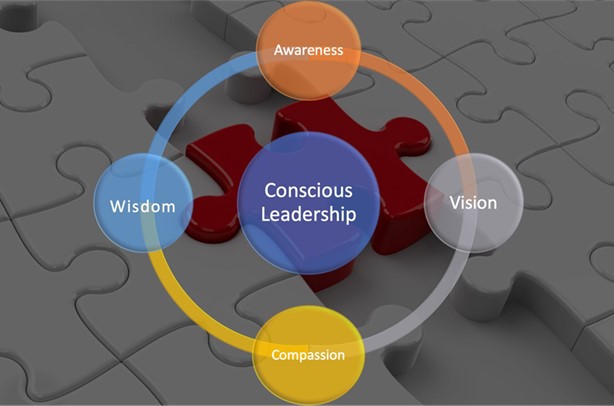
The Conscious Leadership Institute defines Conscious Leadership as the art and science of bringing our whole selves to work and using our whole selves at work. It is about being in charge of our own minds, managing our emotions, understanding how we are wired and using that knowledge to achieve optimal performance. Conscious leadership consists of four basic tenets: mindfulness (being aware), presence (being mindful), self-regulation (self-awareness) and compassion (compassion). These tenets are all interconnected with one another, meaning that they cannot be separated from one another. What are the Benefits of Conscious Leadership? The benefits of conscious leadership are boundless. In a world that is constantly evolving, it is important to be able to adapt and change. A conscious leader is someone who can do this well. This section will explore the benefits of being a conscious leader and how to be one. A conscious leader has a deep understanding of themselves, their team and the world around them. They are able to see things from multiple perspectives which allows them to make better decisions for themselves and others. They have an ability to empathise with people which helps build trust in their teams and organisations. Conscious leaders are also more resilient because they have greater self-awareness which means they know what their strengths and weaknesses are so they can work on those areas when needed. Sarah Jones Coaching specialises in conscious leadership coaching, which focuses on maintaining a present, conscious approach to your everyday decision making and recognising the power that your thoughts, emotions and experiences have over the way that you respond to external events. Now let’s look at why conscious leadership matters: Great leadership matters more than ever The past two years have been hard on everyone, and employees are looking for encouragement, reassurance, and guidance. Their working practices will no doubt have changed, their feelings about work may have adjusted and they may have re-evaluated their lives more broadly during the pandemic. Many will be experiencing feelings of uncertainty and perhaps still fear. As a leader, you can play a key role in helping your people to feel positive, empowered, and ready to get the most from their jobs and careers. With regular, engaging, and two-way communication, your own special brand of authentic leadership and a commitment towards your workforce, you can make sure everyone is working together, with the right kind of encouragement and support and a clear sense of direction. Today’s leaders need to understand themselves Most of us go through life without seeking to understand how our own personalities and experiences unconsciously shape our lives – including the way that we automatically respond to events and perceive things. When we become more conscious, we take off our filters and seek to become more objective, more questioning, and more open to what is happening around us. We seek to understand different perspectives, to really get to the heart of issues and to remove our own judgements and biases as far as possible. By really listening and seeking to understand – without letting our egos get in the way – we can become more authentic leaders. Leaders can learn to separate themselves Our thoughts define our feelings and emotions. The more that we can train our minds, perhaps using techniques such as meditation and conscious questioning, the more we realise the power that we have as leaders. We are no longer prey to external events and no longer feel powerless in the way that we respond to difficulties. We learn techniques to be more resilient, more robust, and yet, more empathetic. And as we develop that authentic position of consciousness, we can share it with others and encourage them to do the same. The shadow of the leader is a truly powerful concept within any organisation. Conscious leaders are more effective Conscious leadership naturally leads to a more mature, evolved, and effective leadership style. By seeking to take ego and assumptions out of your leadership style, you will naturally become a more genuine and informed leader; one better able to read the room and understand your stakeholders. Sarah Jones Leadership Coaching and Conscious Leadership I have personally overcome many challenges people face as they progress their careers on the path to becoming leaders. With over 25 years working in leadership positions within global organisations, I am ideally placed to help you find your true authentic self. If you are an aspiring leader of the future, an experienced leader or an organisation looking to expand the skillset of your leadership team, then please contact me to achieve your goals. How can I help you? I have a range of conscious leadership coaching programmes that are tailored to the needs of the individual, these will allow us to address together very specific challenges, which could include: Emergencies Making the right ethical decisions for stakeholders. Developing active listening skills. Aware of your own strengths, patterns, limitations. Allowing imperfections and not seeing them as a threat. Being transparent and sharing information. Doing the right thing ethically in a crisis. Being open to challenge. Showing genuine concern. Admitting you don’t have all the answers. Accepting and using failure to learn. Developing candour, compassion and empathy. Being transparent and sharing information. My training programmes start at only £279.00, but in order to recommend a coaching programme and provide you with a quote, we would first need to talk thorough the challenges you are facing, identify where I can help you and how long this is likely to take. The first step in this process is by booking a free, no obligation call with me. Book Your Call & Get A Quotation Book Your Call Now Your first call is obligation free, confidential and completely free of charge The next step in your development journey is getting a professional assessment on the what practical steps you can take to develop and improve your skill set, mindset and your prospects.  conscious leaders, conscious leadership coaching Share This Article Conscious Leadership Conscious

Why Conscious Leadership Matters Read More »

leadership coaching Conscious-Leaders

How Do We Become Conscious Leaders?

Conscious Leaders are essential in today’s modern businesses who face multiple challenges that cannot be resolved without competent leadership at the helm. Leadership demands effort, sincerity, and a genuine desire to improve the functioning of an organisation. Conscious Leadership demands putting your ego aside and working in tandem with the team to run everything smoothly. It fuels innovation by letting new and fresh ideas replace older ones. Let us look at how conscious leadership is developed and what you can do to cultivate those attributes within you. Become Self-Aware A self-aware leader is arguably the biggest asset an organisation has, besides a motivated team. Ask yourself pertinent questions to determine your position, not only as a leader but also as a person. The first step in cultivating self-awareness is knowing your strengths and weaknesses. If you are unaware of your strengths, you won’t use them to their fullest. On the other hand, if you are unaware of your weaknesses, you will never strive to improve upon them. Let this consciousness percolate the everyday conversations with your team and friends. It will help overcome your personal as well as professional challenges. Know Your Influences We are whom we befriend and spend our time with, and this wisdom also applies to leadership. Good and bad, people influence in both ways. As a leader, you should know with whom you spend your time. The top 5 people you spend your time with: influence you the most. So, it is time to grab a pen & paper and write about them. Note their strengths, weaknesses, values, and their attitudes towards you. You might be surprised to know how much an influence they hold over you by seeing the overlapping habits and attitudes. If their values coincide with yours negatively or attitudes towards you hamper your growth, it is time to rethink your network. Meditation Helps What can an ancient practice give a modern leader? Quite a lot, it seems. In fact, meditation is even more important today than ever before as we navigate our way through a hectic world. Research has shown that meditation can help us regain our focus, improve REM sleep, enhance creativity, and boost productivity. Gather Feedback To know you are impactful or not as a leader is crucial for understanding your position. Leaders who practice sincerity and ask for genuine feedback are more conscious. You can get this feedback from your employees and customers to learn about possible improvements towards becoming a conscious leader. Bottom Line Becoming a conscious leader takes sincere effort and a genuine desire to learn from others. If you didn’t realise them before, it is time to include these aspects in your leadership style today. They will not only help you as a leader but also improve the performance of your organisation. Get in touch with Sarah Jones Coaching today to become a more conscious and forward-thinking leader in the biotech and pharmaceutical world. Don’t just be a manager; become a leader! Contact me to book a free consultation on any of these topics.  Share This Article Share on facebook Share on twitter Share on linkedin Share on pinterest

How Do We Become Conscious Leaders? Read More »

get my perspective back

How do I get my perspective back as a leader?

How do I get my perspective back? Have you ever felt like you are on a treadmill, constantly in motion, your head may be spinning, the days run you – not the other way around –and your situation never seems to change? It’s not uncommon as a CEO and top executive to lose sight of your original goals and objectives. It can create a feeling of unease, stress, and even depression if left unchecked. Many CEOs want to be more conscious leaders because they realise that it is not only good for their companies, but also for themselves. When a CEO is conscious, they are able to make better decisions for their company, and they are also able to be happier and more fulfilled in their own lives. How to become a more conscious leader A conscious leader is someone who is aware of their surroundings and the impact their actions have on others. They are open to new ideas and feedback, and they know how to give feedback to enable their team to develop – not shrink away – and are constantly learning and evolving. To become a more conscious leader, you need to be humble and be willing to admit that you don’t know everything. You also need to be patient and allow time for things to evolve. In fact, a true sign of leadership is often saying ‘ I don’t know’. People will tend to know when you are bluffing – and saying ‘I don’t know’ is a sign of humility and confidence. I remember having this experience when I was a young leader – the only woman in the Boardroom. We were going through some mighty big M&A changes, and I was leading all the communications. I was at that stage where I was new to the Board, and prepared for each meeting, knowing the questions I would be asked. Except I knew the day would come where I didn’t have the answer to hand – so I took a gulp and thought ‘go for it’ –and said ‘I don’t’ know, I will get back to you this afternoon’. The first three words of that sentence – whilst simple enough on paper  – was a huge confidence boost and leadership growth spurt. My CEO at the time actively listened, and guess what – he was fine. I didn’t feel stupid, I felt encouraged. This is why a leadership coach, or an executive coach for that matter can help you to completely transform your inner mind, how you run your day – to ensure you are leading from an authentic space. This will create an air of influence, gravitas, and spur on your teams. They will know you are the real deal.. A coaching relationship creates space, objectivity, accountability and empowers leaders to be the best they can be in their current situation, and map out their future path. Coaching provides the continuous support needed to build upon strengths while helping you address personal blind spots and potentially limiting behaviour patterns. I’ve seen people’s posture, colour/complexion, and even wrinkles improve in one session after they offload and describe what’s going on to an impartial observer. It’s like a load has been lifted!! Here are some additional ways to become a more conscious leader: Be present in the moment – It’s easy to get pulled into the day-to-day operations of an organisation and lose sight of your original goals. What’s most important is not getting caught up in this whirlwind, but rather staying present in the moment, no matter how fast or furious it may seem. Be aware of what you say – Whether it’s in a meeting, with your staff, or even to those you manage, be conscious of what is coming out of your mouth. Be sincere and authentic; don’t say anything that you wouldn’t say to your best friend – not only will this make people feel more comfortable around you, but it’ll help get the right idea across in the first place. Don’t feel like you need to know everything – As a leader, it can be hard to take your hands off the wheel and let others take the helm; however, this is an important step towards becoming more conscious about what’s going on around you. Giving up some control shows that you’re willing to listen and that you’re cognisant of what’s going on with your staff, even if it’s beyond your field of expertise. Listen actively and with empathy – This is heavily tied into tip #3, but it’s important enough to be its own step. Active listening encompasses everything you’ve learned up until now; however, empathy goes a couple of steps further. Empathy requires you to not only understand where the person with whom you’re speaking is coming from but to show that understanding through your voice and body language. Take time for self-reflection – Take time to reflect on what’s going on around you, take some time for self-reflection and contemplate how you can improve moving forward. Meditation has been shown to help quite a bit with this process, as have journaling exercises. Simplify communication – This is the most important thing on the list and by far the hardest to achieve. One of the best ways you can improve your communication skills is to ask yourself what you truly want to say before opening your mouth; be concise and straightforward with no room for confusion or misinterpretation of your message. Stay curious about the world around you – Once you’ve gained some perspective, don’t lose it again by sticking your head in the sand. Be curious about what’s going on around you by reading books, attending conferences, and engaging with experts in your industry. Staying focused and keeping your perspective As a CEO or any top executive for that matter, it’s important to stay focused on the big picture. This means keeping your perspective broad and your goals in sight, even when you’re bogged down in the day-to-day operations of your company. Your teams want

How do I get my perspective back as a leader? Read More »