Sarah Jones Leadership Coaching

emotional intelligence

Influential Leadership Training

Mastering Influential Leadership: A Comprehensive Guide

Leadership coaching includes a wide range of topical focus areas and today we delve into the consequences of a leader lacking influence and the value of influential leadership training. In today’s rapidly evolving business landscape, the absence of influential leadership can lead to significant organisational challenges. Leaders who lack the ability to influence often witness an erosion of trust and credibility within their teams. This deficiency can manifest in decreased morale and engagement among employees, undermining the collective drive towards organisational goals. Such environments are characterised by a notable decline in overall performance and a loss of competitive advantage in the market. Furthermore, resistance to change becomes a prevalent issue, stifling innovation and adaptability. Consequently, organisations face heightened employee turnover, as a lack of influential leadership fails to inspire and retain top talent. Against this backdrop, the role of Influential Leadership Training emerges as a vital solution. This comprehensive guide delves into the critical importance of cultivating influential leaders through effective leadership coaching. By embarking on this journey, aspiring leaders can acquire a robust set of skills, principles, and strategies essential for navigating the complexities of modern organisations. Influential leadership not only addresses the aforementioned challenges but also propels organisations towards sustained success and resilience in a dynamic corporate world. Defining Influential Leadership The Essence of Influential Leadership Influential Leadership Training embodies a transformative approach to leadership, focusing on the power of influence rather than authority. At its core, the essence of influential leadership lies in the ability to inspire and motivate others towards a common goal. It’s about understanding and connecting with people on a deeper level, fostering a shared vision, and cultivating an environment where creativity and innovation thrive. This style of leadership is built on the foundations of trust, respect, and empathy, allowing leaders to guide their teams not through coercion, but through inspiration and shared values. In this light, influential leadership is seen as an art form, where the leader becomes a catalyst for change, empowering individuals and teams to realise their full potential. Distinguishing Influential Leadership from Traditional Leadership Models In contrast to traditional leadership models that often rely on hierarchical power and control, influential leadership is characterised by a more collaborative and participative approach. Traditional leadership tends to be transactional, focusing on tasks, results, and the maintenance of the status quo. It often operates within rigid structures and places emphasis on authority and obedience. On the other hand, influential leadership is transformational. It’s about challenging the norm, encouraging new ideas, and being adaptable to change. Influential leaders are seen more as mentors or coaches rather than commanders, prioritising personal development and team empowerment over mere compliance. This approach leads to a more engaged and motivated workforce, fostering a culture of innovation and continuous improvement. Importance of Leadership Coaching Enhancing Leadership Effectiveness Leadership coaching, particularly in influential leadership, is essential for enhancing the effectiveness of current and future leaders. This type of coaching provides the tools and skills necessary for leaders to understand their own leadership style, identify their strengths and areas for improvement, and learn how to best influence and motivate their teams. It covers a range of competencies, from communication and emotional intelligence to strategic thinking and problem-solving. By undergoing leadership coaching, leaders can refine their approach to managing people, projects, and processes, making them more adept at navigating the complexities of the modern workplace. Additionally, this type of coaching helps in building resilience and adaptability, enabling leaders to effectively handle challenges, conflicts, and changes within their organisations. Impact on Organisational Success The impact of leadership coaching on organisational success cannot be overstated. Effective leadership is a critical driver of organisational performance, employee engagement, and overall workplace culture. Leadership coaching equips leaders with the necessary skills to steer their organisations towards success, ensuring that they are capable of making informed decisions, setting clear goals, and inspiring their teams to achieve them. Organisations with well-coached leaders often see improvements in productivity, morale, and employee retention. Furthermore, these leaders are better equipped to foster a positive workplace culture, one that promotes innovation, inclusivity, and collaboration. Ultimately, investing in leadership coaching is an investment in the future success and sustainability of the organisation. The Foundations of Influential Leadership Core Principles of Influential Leadership Influential leadership is anchored in a set of core principles that differentiate it from traditional leadership approaches. These principles are not only the foundation but also the guiding force behind the actions and decisions of an influential leader. Building Trust and Credibility: Trust and credibility are the cornerstones of influential leadership. Trust is earned through consistent, transparent, and ethical behaviour. Leaders must demonstrate integrity in their actions, showing that they are reliable, honest, and fair. Credibility comes from a leader’s track record of success and their ability to communicate effectively and knowledgeably. A leader who possesses both trust and credibility can more easily garner support and commitment from their team, facilitating a more cohesive and productive working environment. Empowering and Inspiring Others: The ability to empower and inspire others is a hallmark of influential leadership. Empowerment involves delegating authority and encouraging autonomy, allowing team members to make decisions, take risks, and develop their skills. Inspiration, on the other hand, comes from a leader’s ability to articulate a compelling vision and motivate others to pursue that vision. It’s about igniting passion and enthusiasm in others, helping them see beyond the mundane tasks to the greater purpose and impact of their work. Leadership Styles and Their Impact The impact of a leader’s style can be profound, influencing the culture, morale, and performance of their team. Identifying Your Leadership Style: Understanding one’s own leadership style is crucial for self-awareness and growth. Leaders can range from being autocratic to democratic, transformational to transactional, or somewhere in between. Recognising one’s preferred style helps in understanding how one naturally communicates, motivates, and makes decisions. This self-awareness is a first step towards effective leadership. Adapting Styles to Different Situations: While having a predominant leadership style, effective leaders also recognise the need to adapt

Mastering Influential Leadership: A Comprehensive Guide Read More »

Leadership Coaching for Career Progression

Skyrocket Your Career with Leadership Coaching

The professional realm is ever-evolving, requiring individuals to upskill constantly. In such a dynamic environment, what steps can one take to truly elevate their career? Introducing Leadership Coaching for Career Progression. But what is it, and how can this specific coaching framework benefit you? Let’s delve deeper. Understanding Leadership Coaching for Career Progression What is Leadership Coaching? Leadership coaching, at its core, is a partnership. It’s a journey where experienced coaches guide budding professionals, offering them insights, strategies, and feedback. The ultimate goal? To unlock their potential and make them influential leaders. The Career Progression Angle This isn’t just about being a leader; it’s about climbing the ladder of success. Leadership Coaching for Career Progression is the torch that lights your path, ensuring you make the right decisions, acquire essential skills, and rise through the ranks seamlessly. The Role of Leadership Coaching in Shaping Professionals Creating Visionaries Imagine navigating a ship with no compass. That’s what embarking on a career without a vision is like. Leadership coaching helps professionals set a direction, ensuring they have a clear and actionable vision. Cultivating Soft Skills Hard skills get you in the door, but soft skills propel you upwards. Communication, emotional intelligence, and conflict resolution are just a few areas where leadership coaching makes an indelible mark. Benefits of Opting for Leadership Coaching for Career Progression Amplified Decision-making Abilities Decisions shape destinies. Through coaching, professionals sharpen their decision-making prowess, ensuring they consistently make choices that favour their career growth. Enhanced Communication Imagine having the gift of the gab. Leadership coaching refines communication, making professionals articulate, clear, and persuasive. Networking Mastery In today’s connected age, who you know is as vital as what you know. Leadership coaching grooms individuals to master the art of networking, forging invaluable connections along their career journey. Common Misconceptions Surrounding Leadership Coaching It’s Only for Top Executives A prevalent myth is that Leadership Coaching for Career Progression is reserved for the upper echelons of the corporate ladder. In reality, professionals at all levels can benefit immensely. It’s a Sign of Weakness Seeking coaching isn’t an admission of ineptitude. It’s a declaration that you’re committed to excellence and constant growth. How to Choose the Right Leadership Coach Alignment of Goals Before embarking on this journey, ensure your coach understands and aligns with your career aspirations. After all, a mentor and mentee must walk in sync, right? Experience Matters The saying goes, “Experience is the best teacher.” Opt for coaches who have been there, done that. Their experiential insights are invaluable. Flexibility in Approach Every professional is unique. Hence, a one-size-fits-all approach seldom works. The right coach will tailor their strategies to cater to your unique strengths and weaknesses. The Future of Leadership Coaching for Career Progression In an ever-evolving professional realm, the need for effective leadership will never wane. As industries change and challenges mount, leadership coaching will adapt, ensuring it remains an indispensable tool for those eager to soar. Conclusion We’ve explored the ins and outs of Leadership Coaching for Career Progression. The question now is, are you ready to take the leap? Are you prepared to invest in yourself, honing your leadership abilities and propelling your career to unprecedented heights? Remember, the sky isn’t the limit. With the right coaching, it’s just the beginning. So, why wait? Embrace leadership coaching and watch your career take flight. Summary Leadership Coaching for Career Progression is a dynamic partnership that offers guidance, insights, and feedback to professionals. It enables individuals to unlock their potential, making them influential leaders and aiding in seamless career advancement. Frequently Asked Questions What exactly is Leadership Coaching for Career Progression? Leadership Coaching for Career Progression is a structured, personalised process that focuses on guiding individuals towards becoming more effective, strategic, and visionary leaders. This coaching framework is not just about developing leadership skills in isolation but is tailored specifically to aid in career advancement. Through a series of sessions, experienced coaches offer insights, strategies, and feedback, allowing individuals to hone their leadership skills, make informed career decisions, and chart out a clear path for their professional growth. How does leadership coaching cultivate essential soft skills? Leadership coaching places significant emphasis on developing soft skills, recognising their vital role in career progression. Here’s how: Communication: Coaches work with individuals to refine their ability to articulate thoughts, convey ideas effectively, and engage in active listening. This ensures clear and impactful communication with teams, peers, and superiors. Emotional Intelligence: Coaches help professionals understand and manage their emotions, fostering empathy and better interpersonal relationships. This skill is crucial for leaders who need to navigate complex team dynamics. Conflict Resolution: Leadership coaching offers tools and techniques to handle conflicts constructively, ensuring they don’t escalate and hinder progress. This involves understanding different perspectives, mediating disagreements, and finding common ground. Through such targeted interventions, leadership coaching ensures that soft skills complement hard skills, paving the way for holistic professional development. Are leadership coaching services only for top executives? Contrary to popular belief, Leadership Coaching for Career Progression is not exclusive to top executives. While senior leaders can undoubtedly benefit from it, professionals at various stages of their careers can also harness its advantages. Emerging leaders, mid-level managers, and even fresh entrants in the professional realm can leverage leadership coaching to shape their leadership style, make informed career decisions, and understand the nuances of effective leadership. The key is to recognise the need for external guidance and be open to feedback and learning. How does one choose the right leadership coach for career progression? Choosing the right leadership coach is a pivotal step. Here are some guidelines: Alignment of Goals: It’s essential that the coach understands your career aspirations and aligns their coaching approach accordingly. A preliminary discussion about goals, expectations, and outcomes can be beneficial. Experience: Opt for coaches who have a proven track record in the industry and possess relevant experience. Their insights, gleaned from years of experience, can offer invaluable perspectives. Flexibility: Every individual is unique, with distinct strengths, weaknesses,

Skyrocket Your Career with Leadership Coaching Read More »

Mastering Communication During Conflict

Mastering Communication – Navigating Conflict with Clarity – Webinar Review

Mastering Communication During Conflict Webinar Replay – 5th October 2023 at 12:30pm Download PDF Presentation For those of you who attended, thank you very much for your valuable time. For those of you who registered, but were unable to attend, the video above is a recording of the webinar and you can also click on the button above to download the slide presentation.  For those of you interested in my Conflict Resolution Coaching Course – “Mastering Communication During Conflict”, please click the course details link below – for a full breakdown of the course and associated costs. Enhance Your Leadership Skills Mastering Communication During Conflict Course Mastering Communication During Conflict Are you ready to step up your leadership game and transform the way you communicate during conflict? Course Details Share This Webinar imposter syndrome imposter syndrome imposter syndrome imposter syndrome imposter syndrome Recent Webinars

Mastering Communication – Navigating Conflict with Clarity – Webinar Review Read More »

Mastering Communication During Conflict

Mastering Communication – Navigating Conflict with Clarity

Mastering Communication During Conflict Webinar – 5th October 2023 at 12:30pm Days Hours Minutes Seconds Register Now Mastering Communication During Conflict Join me for an exclusive free webinar, “Mastering Communication – Navigating Conflict with Clarity”. This webinar will delve into the impact of organisational conflict, examining its causes, impact on business, presenting effective resolution techniques and examining the importance of clear communication. Why Attend This Webinar? In the dynamic world of business, conflicts are inevitable. However, how leaders respond to these challenges can make the difference between organisational success and failure. This webinar delves deep into the heart of organisational conflicts, providing insights into why they occur, their business implications, and how to adeptly navigate them. Whether you’re a seasoned leader or an emerging one, this webinar will equip you with the knowledge and tools to transform conflicts into opportunities for growth. Avoiding The Top Mistakes Leaders Make in Conflict Leadership isn’t just about making the right decisions but also about avoiding the pitfalls that can derail progress. One of the biggest challenges leaders face is dealing with conflicts – both seen and unseen. This will highlight common missteps leaders often make in the face of conflicts, offering preventative insights. From failing to recognise the root causes of disputes to neglecting the broader business implications of unresolved conflicts, we’ll tackle the top mistakes and offer actionable solutions. What Will You Gain? By attending this comprehensive webinar, participants will: Gain a Deep Understanding: Equip yourself with a profound understanding of the nature and causes of organisational conflicts, enabling you to better anticipate and address them. Business Impact Insights: Delve into the far-reaching consequences of unresolved conflicts on business, from productivity losses to drops in team morale. Strategies for Success: Familiarise yourself with proven conflict resolution techniques tailored for organisational scenarios. Turn conflicts from problems into pathways for collaboration and growth. Avoid Leadership Pitfalls: Learn about the common mistakes leaders make when facing conflicts and how to steer clear of them. Meet The Expert The webinar will be led by Sarah Jones, a seasoned leadership coach known for transforming leadership styles with influential communications coaching. With extensive experience in coaching leaders across various industries, Sarah brings a wealth of knowledge and practical advice to this session. The Webinar Agenda Introduction to Organisational Conflicts – Why Conflicts Occur in Teams and Organisations Understand the nature of organisational conflict. Recognise the common reasons for conflict within teams. The Business Implications – Impact of Conflicts on Business Understand the repercussions of unresolved conflicts. Examine how conflicts can affect productivity and morale. Root Causes – Digging Deeper: Causes of Conflicts Identify the underlying causes of various conflicts. Examine how to pre-emptively address potential conflict triggers. Solutions and Strategies – Conflict Resolution Techniques in Organisations Familiarise with various techniques to resolve conflicts. Apply techniques in simulated organisational scenarios. Questions and Answers Exclusive Offer for Attendees As a thank you for attending this webinar, you will receive an invitation for a free one-to-one Zoom call with Sarah, to discuss in confidence, your concerns and challenges in this area and Sarah will provide her insights on how you can start to improve your influence. Save Your Spot Today! Discover how to revolutionise your leadership style by developing your influence. This is a unique opportunity to dip your toes into the world of communicating with influence for free. Places are limited, so secure your spot today! Register Now Share This Webinar imposter syndrome imposter syndrome imposter syndrome imposter syndrome imposter syndrome Recent Webinars

Mastering Communication – Navigating Conflict with Clarity Read More »

Personal Development through Leadership Coaching

Self-Mastery: Personal Development Through Leadership Coaching

Leadership is not merely a title but a journey of growth and transformation. Have you ever pondered how Personal Development through Leadership Coaching can pave the way for self-mastery? Delving into this realm provides a clear lens to view the transformative journey individuals undertake when honing leadership abilities. The Intersection of Personal Development and Leadership Understanding Personal Development Personal development is a lifelong journey. It’s about recognising one’s potential, honing skills, and continuously pushing boundaries. Much like a butterfly emerging from its chrysalis, it’s a transformative process that requires introspection and action. Leadership: More than Just Leading True leadership is about influence, motivation, and the ability to inspire others. It’s about having a vision and the tenacity to achieve it. But how does one cultivate these skills and attributes? This is where Personal Development through Leadership Coaching shines. Core Principles of Leadership Coaching Embracing Self-awareness Do you truly understand your strengths and weaknesses? Self-awareness is the cornerstone of leadership. By recognising your inherent traits, you can harness your strengths and work on your areas of improvement. Continuous Learning In a rapidly evolving world, the thirst for knowledge is paramount. Leadership coaching emphasises the importance of being a lifelong learner. It’s not just about gaining knowledge but about adapting and evolving. Cultivating Emotional Intelligence Ever wondered how some leaders manage to stay calm under pressure? The secret often lies in their emotional intelligence. It’s the ability to understand, manage, and effectively express one’s emotions while navigating interpersonal relationships judiciously and empathetically. Personal Development through Leadership Coaching: The Benefits Gaining a Clear Vision How often have you felt directionless? Leadership coaching offers tools and strategies to help individuals crystallise their goals and objectives. Imagine navigating life with a well-defined roadmap! Boosting Confidence and Self-Esteem Shaking off self-doubt can be a monumental challenge. Leadership coaching instils a renewed sense of confidence, empowering individuals to take on challenges head-on. Enhancing Communication Skills Communication is the bridge to understanding. Through effective coaching, one can hone their articulation, ensuring ideas and visions are conveyed compellingly and persuasively. Real-world Applications of Leadership Coaching In Professional Settings Leadership coaching isn’t confined to the boardroom. From project managers to CEOs, Personal Development through Leadership Coaching can elevate professional trajectories, fostering a culture of growth and innovation. Personal Lives and Relationships Believe it or not, the principles of leadership can enhance personal relationships. By embracing qualities like empathy, active listening, and effective communication, we pave the way for stronger, more meaningful connections. Community and Beyond A true leader influences not just their immediate surroundings but the larger community. By fostering personal development, individuals can drive positive change in societies, crafting a legacy that resonates for generations. Embarking on Your Leadership Coaching Journey Finding the Right Coach As with any journey, the right guide can make all the difference. When seeking Personal Development through Leadership Coaching, it’s crucial to find a coach who resonates with your objectives and vision. Setting Clear Objectives Knowing where you want to go is half the battle. Outline clear, measurable objectives for your coaching journey. This clarity can act as a beacon, guiding your path towards self-mastery. Embracing the Process Change doesn’t happen overnight. As you embark on your journey of Personal Development through Leadership Coaching, remember to trust the process. Embrace challenges as opportunities and celebrate every milestone. Conclusion: The Quest for Self-Mastery The road to self-mastery is winding and filled with discoveries. Personal Development through Leadership Coaching is more than just a tool; it’s a compass that directs us towards our true potential. As we stand on the cusp of transformation, one question remains: Are you ready to embark on this transformative journey? Summary The article delves into the transformative journey of Personal Development through Leadership Coaching, highlighting its core principles, benefits, real-world applications, and steps to embark on this path. Leadership coaching stands as a beacon directing individuals towards their true potential and the essence of self-mastery. Frequently Asked Questions How does Personal Development through Leadership Coaching differ from traditional personal development methods? Personal Development through Leadership Coaching specifically focuses on nurturing leadership qualities within individuals, driving them not just towards self-improvement but towards influencing and motivating others. While traditional personal development methods might concentrate on individual growth, leadership coaching ensures growth is coupled with the ability to lead, inspire, and make impactful decisions both in personal and professional settings. What core principles underscore the effectiveness of leadership coaching? The effectiveness of leadership coaching is anchored on three core principles: Embracing Self-awareness: Recognising one’s strengths and weaknesses to harness and improve them. Continuous Learning: Adapting and evolving in an ever-changing world by being a lifelong learner. Cultivating Emotional Intelligence: Understanding, managing, and effectively expressing one’s emotions while building and maintaining empathetic and judicious interpersonal relationships. How can one apply the benefits of leadership coaching in personal relationships? The principles of leadership, such as empathy, active listening, and effective communication, are not restricted to professional environments. In personal relationships, these skills can foster better understanding, trust, and mutual respect. For instance, by being a good listener, one can understand the needs and concerns of their partner or family, leading to stronger, more meaningful connections. What are the key considerations when choosing a leadership coach for personal development? When selecting a leadership coach for Personal Development, one must consider: The coach’s experience and credentials. Alignment with the individual’s objectives and vision. Feedback or testimonials from previous clients. The coaching methodology and tools they utilise. Their ability to foster a comfortable and open coaching environment where individuals feel safe to share and learn. Why is emotional intelligence a central theme in leadership coaching for personal development? Emotional intelligence plays a pivotal role because it dictates how one understands, manages, and expresses emotions. In leadership roles, high emotional intelligence ensures leaders manage teams effectively, resolve conflicts, and navigate challenging situations with grace. In personal development, it aids in self-regulation, resilience, and forming deeper interpersonal relationships. Through leadership coaching, individuals are taught to harness this intelligence for

Self-Mastery: Personal Development Through Leadership Coaching Read More »

Mastering Communication During Conflict

Mastering Communication: Avoiding The Top Mistakes Leaders Make in Conflict

Mastering Communication During Conflict: A Leader’s Ultimate Guide Leadership demands more than just the ability to oversee projects or supervise a team. At the heart of genuine leadership lies the aptitude for Mastering Communication During Conflict. As straightforward as this may sound, many leaders falter, making avoidable errors that could harm their team’s morale or damage relationships. So, how can one evade these pitfalls? The Importance of Communication in Leadership In any leadership journey, communication is paramount. Would you believe that often, the rift between a leader and a team member emerges merely because of a misunderstanding? Effective communication during turbulent times doesn’t just prevent conflicts; it fosters trust and strengthens relationships. The Role of Listening Why Listening is a Leader’s Best Tool Have you ever pondered why we have two ears but only one mouth? Perhaps it’s nature’s way of stressing that listening is twice as vital as speaking. In conflicts, a leader who listens understands, empathises, and, most importantly, offers apt solutions. Common Barriers to Effective Listening Distractions, preconceptions, and impatience can hinder our ability to listen. Ever found yourself formulating a response while someone’s still talking? This reactive tendency can obstruct genuine understanding. Misreading Emotional Cues The Power of Emotional Intelligence Imagine steering a ship without understanding the winds or the tides. Navigating conflicts without grasping emotional cues is akin to this. Emotional intelligence aids in interpreting these ‘invisible’ signals, making communication more effective. Fostering Emotional Awareness But how do we harness emotional intelligence? It starts by self-reflection and actively seeking feedback. Do you recognise the moments when emotions drive your decisions? Identifying these can be the first step in mastering communication during conflict. The Perils of Assumptions Ever heard the saying, “Assumption is the mother of all mess-ups?” In the realm of leadership, this holds especially true. Operating on assumptions rather than facts can quickly escalate minor disagreements into significant conflicts. Avoiding Difficult Conversations The Temptation of Avoidance It’s human nature to shy away from discomfort, isn’t it? But for leaders, dodging challenging conversations can spell doom. After all, isn’t addressing and resolving issues a fundamental part of leadership? Strategies for Initiating Difficult Dialogues With proper preparation and a commitment to clarity, initiating tough talks can become less daunting. Remember the main goal: Mastering Communication During Conflict. Could the key be as simple as setting a positive intent and sticking to facts? Feedback: A Two-Way Street Feedback isn’t just about giving; it’s about receiving too. Leaders who create an open feedback loop not only promote growth but also mitigate potential conflicts. So, why do some leaders hesitate? Over-relying on Digital Communication In our digital age, have we lost the art of face-to-face conversations? Texts and emails lack tonality and body language, which are crucial in understanding context. Could in-person dialogues reduce misunderstandings? Conclusion: Towards Masterful Conflict Communication To lead is not just to instruct, but to communicate, especially during conflicts. By avoiding common mistakes, leaders can pave the way for a more harmonious, productive environment. As we’ve uncovered, isn’t it clear that the heart of leadership beats strongest when Mastering Communication During Conflict? Summary In the intricate world of leadership, Mastering Communication During Conflict is paramount. Leaders must navigate challenges by understanding emotional cues, fostering active listening, and avoiding assumptions. The article sheds light on the significance of face-to-face dialogues, the importance of feedback, and the perils of avoiding difficult conversations, all aimed at enhancing communication during conflicts. Frequently Asked Questions Why is listening considered a leader’s most vital tool during conflicts? Listening is deemed essential because it enables a leader to understand, empathise, and most crucially, offer suitable solutions. By genuinely listening, a leader can grasp the nuances of an issue and better address the concerns raised, fostering trust and strengthening team relationships. How does emotional intelligence influence communication in leadership? Emotional intelligence plays a pivotal role in leadership communication as it allows leaders to interpret the ‘invisible’ signals that often go unnoticed. By understanding and responding to these emotional cues, leaders can communicate more effectively, ensuring that their messages resonate and are understood. What are the dangers of leaders operating based on assumptions? Operating on assumptions can escalate minor disagreements into significant conflicts. Assumptions can lead to misunderstandings, as they are often not rooted in fact or direct information. For a leader, acting based on presumption can result in misguided decisions that adversely affect team morale and productivity. Why is it essential for leaders not to avoid challenging conversations? Avoiding difficult conversations can lead to unresolved issues, creating a breeding ground for resentment and further conflict. Leaders are expected to address and resolve issues, and by shying away from these conversations, they risk eroding trust and credibility within their teams. Engaging in challenging dialogues can lead to clarity, resolution, and stronger team dynamics. How does over-relying on digital communication contribute to leadership conflicts? Over-reliance on digital communication means losing out on tonality, body language, and the nuances that come with face-to-face interactions. Digital messages can be misinterpreted due to their lack of emotional context, leading to misunderstandings. For leaders, it’s essential to recognise the limitations of digital channels and seek in-person dialogues when necessary to reduce potential conflicts. The Benefits of Working with a Professional Leadership Coach  Partnering with a Leadership Coach can offer a multitude of benefits for leaders and organisations seeking to develop their leadership skills. Here are some of the key advantages: Enhanced Leadership Skills: Coaches help leaders refine their skills, from decision-making and strategic thinking to communication and conflict resolution. This personal attention ensures that leaders are not just relying on innate abilities but are actively honing and improving their leadership toolkit. Increased Self-awareness: Through coaching, leaders often gain a deeper understanding of their strengths, weaknesses, beliefs, and behaviours. This self-awareness is crucial for personal growth and the effective leadership of others. Objective Perspective: A Leadership Coach provides an external and impartial viewpoint that can be invaluable. They aren’t immersed in the organisation’s culture, politics, or history, allowing them

Mastering Communication: Avoiding The Top Mistakes Leaders Make in Conflict Read More »

Leadership Coaching and Emotional Intelligence

Lead with Empathy: Boost Emotional Intelligence with Leadership Coaching

Empathy is a cornerstone of any great leadership approach. When integrated with Leadership Coaching and Emotional Intelligence, it holds the key to unlocking potential and driving teams forward. The art of truly understanding and connecting with one’s team members can make the difference between a good leader and a great one. But how does one cultivate this empathy? Can leadership coaching really boost one’s emotional intelligence? The Intersection of Leadership and Empathy What is Empathy in Leadership? Empathy, in the context of leadership, refers to the ability to understand and share the feelings of another. It’s the art of placing oneself in another’s shoes, grasping their emotions, and acting with genuine care. A leader who leads with empathy can foster trust, improve communication, and build a strong team culture. Emotional Intelligence: The Unsung Hero of Leadership Many consider technical skills paramount for leadership. But what about soft skills? Emotional Intelligence, often overlooked, is the ability to understand and manage our own emotions and those of others. Its significance? Leaders with high emotional intelligence can navigate complex situations, conflicts, and ensure team harmony. Leadership Coaching: A Catalyst for Emotional Growth Why Opt for Leadership Coaching? Do you ever wonder if there’s more to leadership than just managing tasks and people? Leadership coaching delves deeper. It’s a journey of self-discovery, a route to enhancing skills like emotional intelligence and empathy. It’s not merely about learning; it’s about evolving. The Role of Coaching in Boosting Emotional Intelligence Leadership Coaching and Emotional Intelligence go hand-in-hand. Through personalised feedback, introspective exercises, and challenging scenarios, coaching enables leaders to tap into their emotional reservoir, developing empathy and other critical emotional intelligence skills. The Tangible Benefits of Emotionally Intelligent Leadership Enhanced Team Morale and Productivity Imagine a workplace where everyone feels understood. Where issues are tackled with compassion. Such an environment, fostered by emotionally intelligent leaders, results in high team morale and increased productivity. Improved Conflict Resolution Ever faced a team conflict that seemed insurmountable? Emotionally intelligent leaders, with their knack for understanding varied perspectives, can resolve conflicts efficiently and amicably. Strengthened Leader-Team Relationships Relationships are built on trust and understanding. By leading with empathy, leaders can forge stronger bonds with their teams, resulting in mutual respect and enhanced collaboration. Embracing Empathy: The Road Ahead for Modern Leaders The Shift Towards Emotionally Intelligent Leadership Why are businesses emphasising Leadership Coaching and Emotional Intelligence? Because they realise that the modern workforce seeks connection, understanding, and purpose. Empathy is no longer a ‘nice-to-have’; it’s a ‘must-have’. Crafting Future Leaders with Coaching Leadership coaching isn’t about creating cookie-cutter leaders. It’s about nurturing individual strengths, including emotional intelligence. The leaders of tomorrow, shaped by coaching today, will be empathetic, emotionally savvy, and ready to navigate the challenges of the ever-evolving corporate landscape. Continuous Growth and Lifelong Learning Isn’t growth the ultimate goal? Leading with empathy and continually honing one’s emotional intelligence ensures that leaders don’t just reach a peak, but they keep climbing, evolving, and setting new standards. Conclusion The confluence of Leadership Coaching and Emotional Intelligence is the future of effective leadership. By leading with empathy, businesses can foster environments where teams thrive, conflicts diminish, and productivity soars. The future is emotionally intelligent. Are you ready to embrace it? Summary Empathy and emotional intelligence, when combined with leadership coaching, provide a powerful formula for effective leadership. This synergy fosters trust, enhances team morale, and boosts productivity. Emotionally intelligent leaders, shaped by coaching, lead with understanding, and drive businesses to new heights. Frequently Asked Questions How does empathy relate to leadership and emotional intelligence? Empathy, in the context of leadership, is the capacity to understand and resonate with the emotions of others. It’s essentially walking in another’s shoes and acting with genuine compassion. When combined with emotional intelligence, which is the capability to manage one’s emotions and those of others, leaders can foster trust, facilitate better communication, and cultivate a robust team culture. What are the primary benefits of integrating leadership coaching into professional development? Integrating leadership coaching into professional development allows leaders to embark on a journey of self-discovery and skill enhancement. It not only elevates technical competencies but also bolsters soft skills like empathy and emotional intelligence. The process of coaching, through personalised feedback and introspective exercises, ensures that leaders evolve in their roles, ultimately promoting healthier team dynamics and improved organisational performance. How does emotional intelligence contribute to better conflict resolution within teams? Emotionally intelligent leaders possess the ability to understand varied perspectives and emotions within their teams. This understanding allows them to navigate conflicts with a balanced and compassionate approach. By recognising the underlying emotions behind disputes, they can address the root causes, facilitating efficient and amicable resolutions that serve the best interests of the team and the organisation. Why is there a growing shift towards emotionally intelligent leadership in modern businesses? Modern businesses recognise the evolving needs of the contemporary workforce, which seeks deeper connections, understanding, and purpose in their roles. Emotionally intelligent leadership caters to these needs by fostering environments of trust and mutual respect. Moreover, leaders who lead with empathy and emotional intelligence create harmonious team dynamics, resulting in increased productivity, reduced conflicts, and stronger leader-team relationships. How does leadership coaching assist in nurturing individual strengths like emotional intelligence? Leadership coaching offers a tailored approach, focusing on the unique strengths and areas of improvement for each leader. Through challenging scenarios, introspective exercises, and feedback, coaching enables leaders to delve into their emotional reservoir. This process helps them develop crucial skills like empathy and emotional intelligence, ensuring that they not only lead effectively but also connect genuinely with their teams. The Benefits of Working with a Professional Leadership Coach  Partnering with a Leadership Coach can offer a multitude of benefits for leaders and organisations seeking to develop their leadership skills. Here are some of the key advantages: Enhanced Leadership Skills: Coaches help leaders refine their skills, from decision-making and strategic thinking to communication and conflict resolution. This personal attention ensures that leaders are not

Lead with Empathy: Boost Emotional Intelligence with Leadership Coaching Read More »

Influential Communications

Influential Communications for Leadership Success – Webinar Review

Influential Communications for Leadership Success Webinar Replay – 5th September 2023 at 12:30pm https://youtu.be/LnvyuAzjuRI For those of you who attended, thank you very much for your valuable time. For those of you who registered, but were unable to attend, the video above is a recording of the webinar.  For those of you interested in my Influential Communications Coaching Course – “Influential Communications for Leadership Success”, please click the course details link below – for a full breakdown of the course and associated costs. Enhance Your Leadership Skills Influential Communications for Leadership Success Course Influential Communications for Leadership Success Are you ready to step up your leadership game and transform the way you communicate? Course Details Do you have any questions? If you are an individual or an organisation and think you may benefit from my support, then please reach out with any questions here I will get straight back to you. 07531 228 089 sarah@sara-j-staging.local Share This Webinar imposter syndrome imposter syndrome imposter syndrome imposter syndrome imposter syndrome Recent Webinars

Influential Communications for Leadership Success – Webinar Review Read More »

investing in leadership coaching

Why Leadership Coaching is Your Next Best Investment

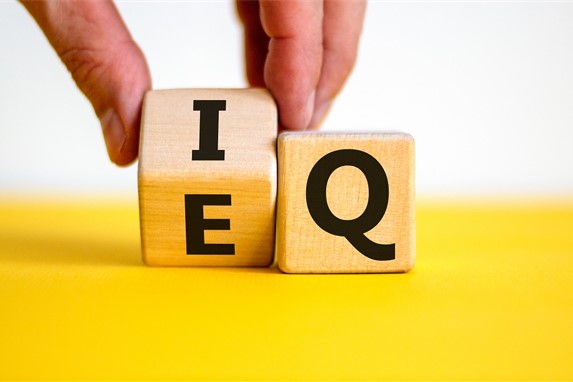
In today’s fast-paced corporate landscape, investing in leadership coaching isn’t just a trend; it’s a necessity. But why has it taken centre stage? In a world brimming with challenges, effective leadership acts as a beacon guiding teams to success. Understanding Leadership Coaching Defining Leadership Coaching Leadership coaching isn’t just about learning to lead a team; it’s about learning to lead oneself. Have you ever pondered how top-tier executives maintain their cool in a storm, or how they seem to foresee challenges? That’s leadership coaching in action. The Science Behind It The human brain is malleable, capable of change and growth. Just as an athlete trains their body, a leader can sculpt their mindset. Leadership coaching introduces tools and techniques for this very purpose. The Tangible Benefits Boosting Productivity and Efficiency Would you not agree that a leader who is in tune with themselves and their team is bound to drive better results? Investing in leadership coaching equips individuals with the insights and tools needed to elevate team performance. Enhancing Communication Skills Clear communication is the linchpin of effective leadership. Through coaching, leaders refine their articulation, ensuring every message lands as intended. Decision Making With Clarity When faced with a crossroad, a well-coached leader can make informed decisions. They weigh the pros and cons, visualise outcomes, and lead their team down the best path. The Intangible Rewards Cultivating a Growth Mindset Have you ever noticed how some leaders seem to be perpetually learning and growing? Leadership coaching instils a mindset that sees challenges as opportunities. Strengthening Emotional Intelligence It’s said that IQ gets you hired, but EQ gets you promoted. Leadership coaching places a strong emphasis on enhancing emotional intelligence, allowing leaders to connect deeply with their team. ROI: Measuring the Impact The Financial Gain Now, you may wonder, “Is investing in leadership coaching truly worth it?” The answer lies in the numbers. Many organisations report substantial ROI, not just in savings but in increased revenues. Employee Retention and Satisfaction Leaders who invest in their growth often foster a positive work environment. And what’s the result? Enhanced employee retention and skyrocketing job satisfaction rates. How to Embark on Your Coaching Journey Selecting the Right Coach Just as a craftsman is selective about their tools, a leader should be discerning when choosing a coach. Look for experience, credentials, and most importantly, alignment with your goals. Committing to the Process Much like sowing seeds, the benefits of leadership coaching aren’t always immediate. It requires dedication, time, and effort. But rest assured, the harvest is bountiful. Conclusion: Leadership Coaching as the Future In the grand tapestry of the corporate world, threads of change are constant. In such a milieu, investing in leadership coaching isn’t just a wise decision; it’s a forward-thinking one. Ready to propel your leadership skills into the future? Summary In the modern corporate landscape, investing in leadership coaching is becoming essential for both tangible and intangible rewards. It’s more than just a trend; it’s a necessity, promising a brighter future in leadership and team dynamics. Frequently Asked Questions What is the primary focus of leadership coaching? The primary focus of leadership coaching is to foster personal and professional growth in leaders. This involves equipping them with tools and techniques to lead both themselves and their teams effectively. Leadership coaching delves deep into cultivating a leader’s mindset, improving communication, enhancing decision-making skills, and nurturing emotional intelligence. How does investing in leadership coaching boost team performance? By investing in leadership coaching, leaders gain insights and tools that enable them to better understand, motivate, and guide their teams. This leads to an environment where employees feel valued, understood, and driven to perform at their best. Moreover, a well-coached leader ensures clear communication, setting clear goals and expectations, resulting in a boost in team productivity and efficiency. In what ways does leadership coaching enhance a leader’s emotional intelligence? Leadership coaching places a significant emphasis on building emotional intelligence. Through coaching, leaders learn to recognise and understand their own emotions as well as those of others. This allows for better interpersonal relationships, empathy, and effective communication. Leaders also acquire skills to manage their emotions in challenging situations, ensuring stability within the team. Can one measure the financial returns on investing in leadership coaching? Absolutely. Many organisations that have invested in leadership coaching report substantial ROI. The financial gains aren’t just in terms of savings, but also in increased revenues. Beyond direct monetary returns, companies also benefit from enhanced employee retention and satisfaction, which can lead to reduced recruitment and training costs in the long run. How do top-tier executives benefit from leadership coaching? Top-tier executives, through leadership coaching, gain a refined set of skills and tools that allow them to navigate the complex corporate landscape with ease. They learn to foresee challenges, make informed decisions, and maintain composure in high-pressure situations. Furthermore, they cultivate a growth mindset, continually seeking opportunities for personal and professional development, making them more adaptable and forward-thinking in their leadership roles. The Benefits of Working with a Professional Leadership Coach  Partnering with a Leadership Coach can offer a multitude of benefits for leaders and organisations seeking to develop their leadership skills. Here are some of the key advantages: Enhanced Leadership Skills: Coaches help leaders refine their skills, from decision-making and strategic thinking to communication and conflict resolution. This personal attention ensures that leaders are not just relying on innate abilities but are actively honing and improving their leadership toolkit. Increased Self-awareness: Through coaching, leaders often gain a deeper understanding of their strengths, weaknesses, beliefs, and behaviours. This self-awareness is crucial for personal growth and the effective leadership of others. Objective Perspective: A Leadership Coach provides an external and impartial viewpoint that can be invaluable. They aren’t immersed in the organisation’s culture, politics, or history, allowing them to see things that internal stakeholders might miss. Improved Performance: With better skills and increased self-awareness, leaders can drive improved performance not only within themselves but also within their teams. Effective leadership often cascades down,

Why Leadership Coaching is Your Next Best Investment Read More »

Influential Communications

Influential Communications for Leadership Success

Influential Communications for Leadership Success Webinar – 5th September 2023 at 12:30pm Days Hours Minutes Seconds Register Now Communicating with Influence in Leadership Join us for an exclusive free webinar, “Influential Communications for Leadership Success”. This webinar will offer leaders the tools and strategies to develop and harness influence, turning potential pitfalls into opportunities for growth and impact. Why Attend This Webinar? Effective communication is the cornerstone of any successful leadership journey. In leadership, the capacity to communicate with influence is not merely about conveying ideas, but also inspiring action, fostering trust, and building enduring relationships. When a leader communicates with influence, they’re able to shape perspectives, drive change, and guide their teams towards a shared vision. Mastering the art of influential communication can greatly magnify your impact, allowing you to better support and empower your teams and stakeholders. Influential communication keeps everything moving in harmony and successful leaders are equipped with the tools and strategies that harness influence. This webinar will offer leaders the tools and strategies to harness this influence, turning potential pitfalls into opportunities for growth and impact. The Pitfalls of a Lacking Influential Communication Skills A lack influential communication skills can lead to: Erosion of Trust and Credibility Decreased Morale and Engagement Ambiguity and Misalignment Resistance to Change Decreased Organisational Performance Stifled Innovation Heightened Employee Turnover Barrier to Stakeholder Support Loss of Competitive Advantage Compromised Crisis Management What Will You Gain? If you are a professional or executive looking to grow as a leader, build confidence, your voice & influence – to better inspire & motivate your teams then this webinar is for you.  The webinar will provide valuable insights into avoiding the pitfalls of lacking influence and help you focus and hone your skills to become a more effective, influential leader.  Meet The Expert The webinar will be led by Sarah Jones, a seasoned leadership coach known for transforming leadership styles with influential communications coaching. With extensive experience in coaching leaders across various industries, Sarah brings a wealth of knowledge and practical advice to this session. The Webinar Agenda Defining Influential Communication: The difference between simple communication and influential communication. The impact of influential communication in a leadership context. The Power of Active Listening: How active listening forms the foundation for trust and understanding. Techniques for enhancing active listening skills. Clarity and Conciseness: Avoiding jargon and ambiguity. The significance of being concise without compromising key messages. The Role of Non-Verbal Communication: The influence of body language, facial expressions, and tone of voice. Recognising and interpreting non-verbal cues. Questions and Answers Exclusive Offer for Attendees As a thank you for attending this webinar, you will receive an invitation for a free one-to-one Zoom call with Sarah, to discuss in confidence, your concerns and challenges in this area and Sarah will provide her insights on how you can start to improve your influence. Save Your Spot Today! Discover how to revolutionise your leadership style by developing your influence. This is a unique opportunity to dip your toes into the world of communicating with influence for free. Places are limited, so secure your spot today! Register Now Share This Webinar imposter syndrome imposter syndrome imposter syndrome imposter syndrome imposter syndrome Recent Webinars

Influential Communications for Leadership Success Read More »

Conscious Leadership

The Power of Conscious Leadership – A Fundamental Need in Today’s World

Conscious leadership has become an increasingly critical factor in the success and growth of modern organisations. It’s a leadership style that encourages introspection, empathy, and a broader understanding of our impact on others. Conscious leaders not only drive financial success but also foster a healthy, inclusive, and sustainable work environment. Let’s explore why conscious leadership is not only relevant but absolutely vital in today’s world. Conscious Leadership: A Holistic Perspective Conscious leadership takes a holistic approach to business. It is all about considering the larger implications of our decisions, considering all stakeholders, and creating an environment that nourishes not only the bottom line but also the welfare of all involved. Conscious leaders recognise the intrinsic worth of each individual and the unique value they bring to the table. The Four Pillars of Conscious Leadership Emotional Intelligence: This is the ability to understand, use, and manage emotions in a positive way. It helps to relieve stress, communicate effectively, empathise with others, overcome challenges, and defuse conflicts. Mindfulness: This involves focusing on the present moment. It encourages leaders to be fully engaged and aware, fostering a more profound connection with their teams. Systems Thinking: This involves understanding the bigger picture and the interconnectivity between different components within an organisation. Ethical Considerations: This involves acting with integrity and making decisions that align with the organisation’s core values. Let’s dive deeper into each of these facets. Emotional Intelligence: A Key Driver of Success Emotional intelligence forms the basis of conscious leadership. A leader with a high emotional quotient can manage their own emotions and understand others’ feelings. This skill helps build strong, positive relationships within the organisation, leading to improved productivity and morale. Mindfulness: Enhancing Focus and Clarity Mindfulness in leadership promotes a clear, focused mind. It helps leaders stay grounded in the present moment, allowing them to make thoughtful decisions. Moreover, a mindful leader is more attuned to their team’s needs, fostering an environment of trust and open communication. Systems Thinking: Understanding the Bigger Picture Systems thinking helps conscious leaders see the whole picture. It aids in understanding how different parts of the organisation interact and influence each other, leading to more informed decisions that benefit the entire organisation. Ethical Considerations: Building Trust and Integrity Ethical considerations form the backbone of conscious leadership. Leaders who act with integrity, demonstrating honesty, and transparency, foster trust among team members, leading to a more cohesive, productive work environment. The Impact of Conscious Leadership Conscious leadership doesn’t just make good business sense; it also contributes to a healthier, more supportive work environment. It helps create organisations that are resilient, innovative, and able to adapt in the face of change. Embracing Conscious Leadership The journey towards conscious leadership begins with self-awareness. Leaders must understand their strengths, weaknesses, and biases. They must be willing to listen, learn, and grow, fostering an environment of inclusivity and respect. Summary Conscious leadership is the way forward for any organisation seeking to thrive in today’s fast-paced, ever-changing business landscape. By adopting this holistic approach, leaders can create sustainable, successful organisations that value each stakeholder’s contribution and cultivate a positive, inclusive work environment. Frequently Asked Questions What is conscious leadership and why is it vital in today’s world? Conscious leadership is a style of leadership that emphasises introspection, empathy, and a broader understanding of impact on others. It is vital in today’s world because it drives financial success, fosters a healthy, inclusive, and sustainable work environment, and considers the welfare of all stakeholders. What are the four pillars of conscious leadership? The four pillars of conscious leadership are emotional intelligence, mindfulness, systems thinking, and ethical considerations. These aspects focus on understanding and managing emotions, staying present and engaged, understanding the bigger organisational picture, and acting with integrity aligned with the organisation’s values. How does emotional intelligence contribute to conscious leadership? Emotional intelligence is a key driver of conscious leadership. A leader with high emotional intelligence can manage their own emotions and understand others’ feelings. This ability fosters strong, positive relationships within the organisation, leading to improved productivity and morale. How does mindfulness enhance leadership skills? Mindfulness in leadership promotes a clear, focused mind, helps leaders stay present, and allows for thoughtful decision-making. A mindful leader is attuned to their team’s needs, fostering an environment of trust and open communication. What steps can one take to embrace conscious leadership? Embracing conscious leadership begins with self-awareness. Leaders must understand their strengths, weaknesses, and biases, and be willing to listen, learn, and grow. This creates an environment of inclusivity and respect, critical elements in conscious leadership. The Value of Partnering with a Leadership Coach Working with a professional leadership coach can offer personalised assistance, encouragement, and constructive criticism, aiding you in refining your self-awareness skills and integrating them more efficiently into your leadership style. Through custom-made exercises, introspection, and valuable feedback, leadership coaches can modify their strategies to your particular requirements, ensuring you experience the full advantages of conscious leadership in your professional growth journey. By collaborating with a leadership coach who is an expert in self-awareness and the conscious leaders mindset, you’ll gain access to a treasure trove of wisdom and experience, empowering you to deepen your comprehension of these principles and implement them more effectively in your career. This collaboration can expedite your personal and professional development, resulting in a more rewarding and influential career. Never undervalue the potential of professional guidance when it comes to mastering self-awareness and mindfulness. By investing in a leadership coach, you’re investing in your own growth and your ability to make a substantial positive impact on those you guide. How Can Sarah Jones Coaching Help?  Developing conscious mindset and skillset requires more than just theoretical knowledge. It requires practice, feedback, and guidance from experienced professionals who can help cultivate the mindset and skillset needed to make mindfulness a central tenet of your leadership style. This is where Sarah Jones Coaching comes in. As the founder of Sarah Jones Coaching, I am an experienced, professional leadership coach who specialises

The Power of Conscious Leadership – A Fundamental Need in Today’s World Read More »