Sarah Jones Leadership Coaching

executive coaching

women in leadership

The challenges associated with women in leadership and gender equality

Women in leadership is a big topic in the workplace. Women have come a long way since the time they were allowed to vote. They have been able to break barriers and progress into positions of power. Yet, there is still a lot of work that needs to be done before we can say that women are equal in society and in the workplace. They are often discriminated against and have to work twice as hard to prove themselves. The good news is that there are many organisations working on these issues by developing emerging female leaders and promoting women into leadership positions. In the early 1900s, women were not allowed to vote, were not allowed to attend university and were not allowed to work in professions beyond teaching, nursing and secretarial work. Now they are CEOs of Fortune 500 companies, heads of state, and even astronauts! The progress that has been made in women’s leadership is phenomenal. But gender equality is still a challenge. Women are still underrepresented in STEM fields and are paid less than their male counterparts for the same jobs. Women also have a harder time balancing family with careers and often have to take care of children or other family members because there is no support system for them. We need to look at the challenges that women in leadership face when it comes to gender equality, as well as how female leaders are trying to overcome these challenges. 1. Lack of Female Role Models The lack of female role models in the workplace is a major factor in the lack of women in leadership. When entry level employees and emerging female leaders see women in leadership positions at their organisations, it sends a clear message that they can also reach the leadership level. This can inspire and motivate emerging female leaders to pursue what are realistically achievable goals. The lack of female role models in tech is a problem that has been around for a long time. Research shows that females are less likely to pursue STEM careers as they grow up because they don’t see enough females in these roles. There have been many attempts to solve this issue, such as the #ILookLikeAnEngineer campaign by Women Who Code or the Women In Technology (WIT) campaigns by organisations like Facebook, Google and Microsoft. But these efforts have not had much success yet. Companies should be actively developing and supporting emerging female leaders, via professional development programmes by experts with experience, in what it takes to become women in leadership. 2. Unconscious Bias Unconscious bias is a term that has been used to describe the phenomenon where people are biased without being aware of it. This bias can affect hiring, promotion, and other decisions. There are a lot of ways to reduce unconscious bias in the workplace. Some say that we should start by educating people about unconscious bias and its effects on society. Others say that we should try to change the way we think about gender roles and break down traditional stereotypes for both men and women. It is widely accepted that this type of discrimination stems from the belief women are generally less competent than men as leaders. However, many studies confirm this is simply not the case and the differences in competence between female and male leaders is negligible. 3. Negative Stereotypes There are many stereotypes about women in the workplace. Some of them are positive, but most of them are negative. There is a common misconception that women are often seen as less competent, less intelligent, less assertive, have lower confidence levels and have inferior management skills to men. For many decades these misconceptions were left unchallenged, but history actually shows none of these common misconceptions are based in reality. It is becoming more apparent that these common misconceptions were perpetrated by male dominated board rooms as a way of maintaining the status quo. However, progress and reality cannot be suppressed indefinitely and in this rapidly changing world major breakthroughs are being made. 4. Sexual Harassment & Bullying Sexual harassment is a form of discrimination in the workplace. It is a form of gender-based violence that is directed at an individual because of their sex, and can include unwanted sexual advances, requests for sexual favors, or other verbal or physical conduct. Bullying at work is another form of harassment. It is a behaviour that takes place in the workplace by one or more employees against another employee. The behaviour can take many forms including verbal abuse, physical violence, social exclusion and/or psychological abuse. Historically this type of discrimination and abuse was seen a normal, widely dismissed and swept under the carpet of historical shame. However, as we progress towards a more enlightened society, in which everyone is to be afforded the same rights and equality of opportunities are enshrined in law, these types of abuse and discrimination are being consigned to the dustbin of history. What Positive Steps Can Emerging Female Leaders Take? The skills needed to be a successful leader are not changing. Leadership is still about the ability to inspire, motivate, and empower others. Some people believe leadership skills are innate and cannot be improved. But in reality, leadership skills can be developed and improved with coaching, practice, self-awareness and a lot of hard work. Leadership is complex and encompasses many different characteristics. It can be hard to define leadership and even harder to know when someone is a leader. Leadership can be defined as the ability to inspire, motivate and organise people and resources in order to achieve organisational goals. Traditionally, men have relied on networks of mentors, where emerging leaders were taken under the wing of experienced leaders and over time skills were developed and honed. However, with the lack of women in leadership positions, female mentors are few and far between and much more emphasis has been placed on female leadership coaches. The most effective female leadership coaches are not only certified as leadership

The challenges associated with women in leadership and gender equality Read More »

Women in Leadership – Why it Matters

Women in Leadership – Why it Matters

Women in leadership, gender inequality, leadership inequality and glass ceiling are terms everyone has heard, and increasingly so in recent times. Women have been underrepresented in the leadership scene for a long time. They are often not given the same opportunities as men, and they are not treated equally either. This is a huge issue that is thankfully being addressed. There are many reasons why women don’t get equal opportunities in the workplace. One of them is that women often don’t advance to positions of power because they take time off to raise children or care for elderly relatives. Another reason is that women are less likely than men to be mentored or sponsored by senior leaders, and because they don’t get mentors, they miss out on key networking opportunities as well as career advancement skills. The glass ceiling is another issue that needs to be addressed when talking about gender inequality in leadership positions. The glass ceiling is the invisible barrier that keeps women from reaching the top leadership positions in their company or industry. Some of these barriers are internal, such as creating a negative self-image, being unaware of how to get ahead in a male-dominated workplace and so on. But others include external factors such as bias in hiring practices, exclusionary tactics to prevent women from getting into top. What are the Most Important Conversations About Women in Leadership? There are many conversations about women in leadership and it is important to have these conversations so we can change the status quo. The most important conversations about women in leadership address the barriers for women in the workplace and how they can be changed. It is also important to discuss what companies can do to promote gender equality and make it a more welcoming environment for all. What are main challenges for female leaders? Women are not getting the same opportunities as men in the workplace. They are often paid less, promoted less and given more difficult tasks to do. Gender Bias The lack of gender diversity in work leadership roles is largely attributed to a lack of women, but it’s worth mentioning that this trend will continue if women are discriminated against on the job. It is much harder for AI engineers to be hired and have a chance at leading a team, which means that they are more likely to be fired. This is because AI technology has the potential to automate even more jobs in the future than it has now. This is not just a UK problem; gendered biases can be found all over the world. In some countries gender biases are seen as an acceptable cultural norm, which has roots in the patriarchal mindset. There is no significant difference between the skill of female and male leaders in the workplace. A lot of people shy away from hiring someone that doesn’t look or think like them. It is human nature to put stock in people with whom we can identify. But in reality it’s important to diversify your workforce and not discriminate based on visual characteristics Negative Stereotypes about Women Leaders There are some common misconceptions that women have inferior people management skills, are less assertive than men and have lower confidence levels than men. Women can be hesitant to negotiate their salary because they know that they’re less likely to get a raise. But, if you get the opportunity, they will ask for just as much money as men would. The Lack of Female Role Models The lack of female role models in the workplace can be a hinderance for many women’s success. If women see high level organisational positions filled with other females, it can be an encouraging sign to them that these things are possible, thereby motivating them to try and get there too. Encourage the next generation of female leaders to be confident and strive to achieve their goals. Organisations should invest in empowering and mentoring emerging female leaders. Give them the proper professional development training from experts with experience, to help them navigate what it takes to become successful women in leadership. Women Leaders & The Power of Mentoring A mentor is someone who has the power to make a difference in someone’s life. They can be a guide, an adviser, a friend and so much more. Mentoring others is an amazing way to help them grow and learn about themselves. Mentoring can provide women with the opportunity to gain skills, develop their careers and achieve success. Women have a unique perspective on certain issues that other mentors may not have faced before, and this can be really beneficial for mentees. It’s time we all take on the responsibility of mentoring other women – it will make us all stronger, more successful and happier people in the end! Sarah Jones Leadership Coaching and Women in Leadership Sarah has personally overcome many challenges women face as they progress their careers on the path to becoming women in leadership. With over 25 years working in leadership positions within global organisations, Sarah is perfectly placed to coach and prepare women for leadership roles. If you are a woman, who is an aspiring leader of the future, or an organisation looking to prepare your female employees for roles in leadership, then please contact Sarah who can help you achieve your goals. The first step on your path to success starts with a free, confidential, 30-minute consultation with Sarah, so don’t delay and book today. BOOK A FREE 30 MINUTE CONSULTATION BOOK NOW Share This Article Share on facebook Share on twitter Share on linkedin Share on pinterest

Women in Leadership – Why it Matters Read More »

Become a Better Leader

How to Become a Better Leader in the Workplace

If you want to learn how to become a better leader, you need to hone your leadership skills. Leadership skills are important for any organisation, as it is one skill that can make or break an organisation. Some people might think that leadership skills are innate and cannot be improved. But in reality, leadership skills can be improved with practice, self-awareness and a lot of hard work. This article will discuss ways to become a better leader and how to lead better. How to become a better leader. Leadership is a complex topic that encompasses many different characteristics. It can be hard to define leadership and even harder to know when someone is a leader. Leadership can be defined as the ability to mobilise people and resources in order to achieve organisational goals. Leadership is not something that only happens in formal positions, but it can happen anywhere at any time. Leadership development is an important part of any company. It helps to develop the skills of their employees and help them be more successful in their career. Leadership development can take many different forms, from one-time workshops to long-term programs. What are the most Common Mistakes that Leaders make? A leader has a lot of responsibilities and is always working. It is not enough to know what one needs to do; one also needs to know how to do it. This is where leadership skills come in. How to become a better leader If you want to become a better leader, you will have to be able to make quick decisions, inspire others, and be confident in your abilities. Some of the most common mistakes that leaders make are: Not listening or being open-minded Being too controlling Being too nice Focusing on their own success rather than the success of their team If you want to become a better leader, here are some guidelines Model your desired behaviours Want hard-working staff? Then demonstrate your own excellent work ethic. Keen to foster a sense of support and co-operation? Model these behaviours yourself and lead the way. The ‘shadow of the leader’ is a powerful effect and the behaviours that you demonstrate will show your team what you expect from them. Remember that this applies to positive and negative behaviours, so be as consistent as you can. Help others When you’re thinking about being a better leader, it’s natural to end up with a focus on yourself. But one of the most powerful ways to improve your leadership is to focus on others. Help, develop and mentor others to achieve their own goals and they will naturally see you as the go-to person that helps facilitate meaningful, positive changes. Show creativity Work on showing your own creative or innovative ideas at work. This will mark you out as a problem solver who likes to think differently. Yes, some of those ideas won’t work. But the important thing is that you will be seen as someone who has influence and who can find fresh, interesting new ways of doing things. Stay calm It can be hard to keep your emotions under wraps when you are stressed and tired. But a great leader is invariably a calm one who can manage emotions. So learn to breathe through the stress and to pause on quick reactions. Work on being positive and supportive – and on finding the good in difficult situations. Again, you will become the person that people look to for guidance when the going gets tough. Keep your word Keeping your word is important for your personal integrity. It also has an effect on how others perceive you. The first step to keeping your word is to make promises only when you are confident that you can fulfil them. A person who never breaks a promise is someone who people can trust and rely on. Follow through with actions Successful people know that success is a process, not an event. They are committed to taking consistent, deliberate actions on a daily basis. We should take the same approach to our goals. We need to make sure that we are following through with our actions and not just thinking about them. We need to take action and be consistent in order to achieve our goals. Be adaptive and flexible to changing circumstances It is the only way to survive in a Volatile, Uncertain, Complex, Ambiguous (VUCA) World. Flexibility can be seen as a form of intelligence. It is the ability to adjust one’s mind-set and behaviour to fit different circumstances and environments. A flexible person can change their attitude, approach, or method of doing things in response to new information or changing circumstances. Expect the best out of your team Leadership expectations are not always easy to manage. There are many factors that can influence the way your team performs. But it is easier to be a good leader when you understand what motivates your team and what they need. There are many different ways to get the best out of your team, but there is no one-size-fits-all solution. You have to find out what works for you and your team members. However, there are many qualities that all great leaders share. These include: How to become a better leader Empathy Self-awareness Trustworthiness Flexibility You need to have the right attitude and mindset in order to make sure that your team is motivated and working hard. You also need to make sure that they are not feeling undervalued or unappreciated. The best teams are those that have a balance of skills. It is important to know what each team member’s strengths are, and then use them to their advantage. This is why it is important to hire employees with the right skillset for your company. It will not only make your company more efficient, but it will also make your employees more productive. How to Become a Better Leader with Sarah Jones Leadership Coaching Sarah has personally overcome many challenges you will

How to Become a Better Leader in the Workplace Read More »

Leadership Development

Leadership Development – The Key to Success in a Volatile World

Leaders are an integral part of any organisation and leadership development is essential in today’s volatile world. Now more than ever, leaders need to navigate in a world full of vulnerability, uncertainty, complexity & ambiguity. To function effectively in this volatile environment leaders must always be developing, because the business landscape is constantly evolving and responding to outside influences, such as a pandemic, or a Brexit, or a war. Leaders are the ones who motivate and inspire their team to work towards a common goal. If leaders are not continually developing, adapting, and learning new skills; they risk being left behind and exposing their organisations to perils of a volatile, changing business landscape. When the business landscape shifts quickly, pressure mounts on leaders to react and adapt, this is when their leadership development skills pay off. Staying calm under pressure, thinking clearly and rationally, setting clear goals, and communicating these goals to their teams and organisations are crucial in times of change. The Leadership Development Process Leadership is not something you are born with, but rather it is something that needs to be developed. In fact, in a volatile world, it needs to be continually developed. The leadership development process is a continuous journey. It requires a strong commitment from the leader and the organisation. The process starts with self-awareness, followed by training, coaching, and mentoring. Leadership development can be done in many different ways. For example, some people might try to read books on leadership, while others might take a course, attend a seminar or hire a professional leadership coach. If leaders did all of the above, they would be prepared for almost anything this volatile world could throw at them today. However, by tomorrow, this volatile world could have changed again. Take the pandemic for example, before this happened, how many leaders were prepared for their entire workforce to be locked down in their homes and unable to work? The Benefits of Good Leadership Some organisations reacted almost immediately and had their teams working from home, whereas others took weeks to respond, eventually following the lead of others. Some organisations invested heavily in equipping and training their new work from home teams, so at least some of their workforce could continue working. In these cases a decision was clearly made that the cost of the equipment, training and rolling out this new way of working, whilst high, was far less than the projected loss in revenue if they did nothing. The ability to adapt almost immediately is a clear indicator of good leadership and good leadership development programme in place. They kept calm, thought it through rationally, assessed the risks, formulated a strategy, set goals and clearly communicated their plan of action throughout their organisations. We should also consider the positive ripple effects that such prompt, decisive action had. Organisations who adapted and acted quickly, and who clearly communicated it to their teams and staff, put a lot of worried, stressed-out minds at rest. This not only shows good, strong leadership skills, but also displays the traits of conscious leadership too. Both of these a signature characteristics of good leadership development. How many of you in the early days of the lockdown were faced with the uncertainty and stress of not knowing if your organisation would even exist in the coming weeks or months? or you would have a job, the next day, the next week or the next month? The Cost of Poor Leadership This is a topic we covered, in more depth, in a recent article, where we stated: “Poor leadership skills can have a huge impact on your company. They can lead to high staff turnover, increased absenteeism, and decreased productivity. The cost of poor leadership is not just financial, but can affect the company’s culture and morale as well.” Given the context of a volatile world, we can clearly add to this – the organisation could completely fail and close down as the result of a lack of leadership development that resulted in poor leadership. It is crucial that organisations invest in developing the management and leadership skills of their employees to boost productivity and prepare them for anything a volatile world could throw at them. Leadership development will also have a healthy influence on the economic success of the nation. The quality of management and leadership are the biggest factors determining business performance and national productivity. It’s estimated that around three quarters of all organisations have not adequately trained their employees who have been promoted into managerial positions as a result of staff turnover. This has resulted in over 2 million – what a government report refers to as – “accidental managers”, which have been identified as a core contributor behind the high cost of poor leadership. How Can Leaders Be Developed? Poor leadership can be costly, but can be avoided or at least reduced through developing and training. Leadership development usually begins with improving yourself first – by developing the right mindset and emotional intelligence in order to teach others. Working with a professional, qualified, and experienced leadership coach can be beneficial because they will give advice and feedback throughout the leadership development process. Leadership coaches can provide valuable insights into your leadership style that you may not notice on your own. They will also be able to point out aspects of your personality that may need improvement, which can make you a stronger leader in the long run. Leadership Development with Sarah Jones Sarah has personally overcome many challenges you will face as you progress your career on the path to becoming a successful leader. With over 25 years working in leadership positions within global organisations, Sarah is perfectly placed to help you in your leadership development journey, coach you and prepare you for the tough leadership decisions you will be forced to make in an ever changing and  volatile world.  The first step on your development journey starts with a free, confidential, 30-minute consultation with Sarah, so don’t delay

Leadership Development – The Key to Success in a Volatile World Read More »

women in leadership

Women in Leadership – Women’s leadership and resource center UIC

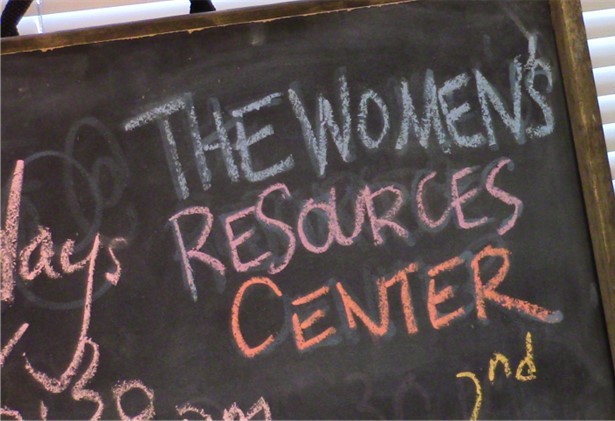
As women in leadership becomes a mainstream focus in the business, political and educational sectors, we today are reviewing the important role of the Women’s Leadership and Resource Center uic. The Women’s Leadership and Resource Center is located at the University of Illinois at Chicago in the USA and is most commonly referred to as the UIC Women’s Leadership Center. The UIC Women’s Leadership Center is well known as the hub for different resources, events, and education relating to women’s leadership. The goal of this organisation is to “increase awareness of and affirm the diverse needs of woman-identified persons in higher education; provide opportunities to learn about the histories of and contemporary issues in feminist movements” It offers a variety of programs and resources for women who are interested in leadership development. They offer a range of courses, workshops and other opportunities to help women develop their skills in leadership, communication, negotiation, team building or project management. They also offer opportunities to explore personal interests in specific fields like law or medicine. The UIC Women’s Leadership Center is an incredible resource for female leaders. They provide a space where women can learn and grow their leadership skills, as well as a place to network with other like-minded individuals. The UIC Women’s Leadership Center has been providing resources and programming to women for over 30 years. They offer programs such as the Women in Leadership, which provides opportunities for professional development, and the Women in Innovation, which teaches women about entrepreneurship. The Importance of Supporting Women in Leadership Development Women make up half of the workforce and yet they only occupy 25% of leadership positions. This is a huge discrepancy that needs to be addressed as soon as possible. Women need more support in order to advance their careers and reach their potential as leaders in the workplace. There are many reasons why women are not taking on leadership roles in the workplace. One of the main reasons is that they do not feel confident enough to take on these roles. Women do not get enough support from their managers and mentors, which discourages them from taking on bigger leadership roles. A lack of female role models is also a big factor. One thing that can make a difference for women in the workforce is what they see in terms of female leaders. Seeing a woman at the top makes it seem like there is no limit to what any woman can achieve, by motivating them to reach for more. Women are starting to see themselves as capable and know their goals are achievable. Organisations should be actively supporting emerging female leaders and providing them with training and development programmes by experts who understand what it takes for women in leadership to become something more than a token gesture or the exception to the rule in board rooms. The Benefits of Women in Leadership Development Programs Women in leadership development programs have the potential to make a significant difference in the workplace and society. The success of these programs is dependent on how well they are designed, implemented and evaluated. Women’s leadership development programs should be tailored to the needs of individual women and their organisations. The Benefits of having more Women in Leadership roles The benefits of women in leadership roles is increasing and the research has shown that this is benefitting, not only businesses, but society as a whole. Here are just three benefits of having more women in leadership roles: 1. More women means better problem solving Research has found that if we collaborate with people of different genders, ethnicities and races in our office, the work will improve on both an individual and team level. A study by Scientific American, entitled “How Diversity Makes Us Smarter” found that a more diverse workforce us makes us more diligent, hardworking, and creative. Building teams and organisations capable of innovation, requires diversity. Diversity improves creativity and encourages the search for novel information and perspectives, leading to better decision-making, problem-solving and outcomes. By increasing the numbers of women in leadership from different backgrounds into your company, provides a base to build upon and will improve the chances of success. 2. Women in leadership are trustworthy In America, Pew conducted a survey about Women in Leadership and when asked about the honesty and ethical standards of executives, the survey found that almost 35% responded that women are more honest, ethical and trustworthy, whilst only 3% said men are, with 64% saying there is no different between the genders in this regard.   This does not mean women are more honest than men in general but could be more of a reflection of the many high-profile cases of corruption or a lack of ethics we see in the news media today involving men in positions of power. They say power corrupts and with more men in powerful positions than women, then it is not unreasonable to expect, more will be brought to our attention when unethical behaviour is found. 3. Women leaders are more collaborative In a study by McKinsey, it was found that women are more collaborative and better at making deals than their male counterparts. Women leaders also lead in a way that is more inclusive of other people’s needs. There is often an assumption that women are less likely to negotiate the best deal for themselves or their employers. While this may be true for a small segment of women, research shows that globally, women tend to out-negotiate men when it comes to hiring and pay. Sarah Jones Coaching, Leadership Coaching and Women in Leadership. Sarah has personally overcome many challenges women face as they progress their careers on the path to becoming women in leadership. With over 25 years working in leadership positions within global organisations, Sarah is perfectly placed to coach and prepare women for leadership roles. If you are a woman, who is an aspiring leader of the future, or an organisation looking to prepare your

Women in Leadership – Women’s leadership and resource center UIC Read More »

Workplace Leadership

Workplace Leadership: 5 Tips on How to Be a Leader at Work

When you consider the average person spends roughly one-third of their life, or 90,000 hours, at work, it becomes a distinct advantage if you have workplace leadership skills. If you’re like most people, you probably dislike your job and mainly look forward to weekends, bank holidays and paid holidays. However, if you’re reading this article seeking knowledge on how to be a leader at work, you’re not like most people. You want to achieve something, and we’re here to help. Workplace Leadership is a skill that requires a lot of practice, training and experience. A good leader should be able to motivate their team and make them believe in the vision they have for the company. They should also be able to delegate tasks, communicate with stakeholders, and make difficult decisions when necessary. If you want upper management to notice you and increase your chances of getting promoted, you need to act like a leader. Here our top five tips on workplace leadership. 1. Have Superior Work Ethic To be considered for a promotion and present yourself as a leader, excellency must be reflected in your work. Just as importantly, you must be consistent. If you feel driven to move up in your company, you must prove yourself to be an asset. No matter what level you start at, management will take note of a superior work ethic. However, just like in dieting, it only works if you do it reliably. 2. Help Others Succeed One of the biggest mistakes people make when learning how to be a leader at work is only thinking of themselves. However, companies don’t thrive off of individual actions alone. They require strong teams, and just as importantly, team-oriented workers. Take the time and effort to help others who may be struggling with their responsibilities. Don’t do their work for them but teach them how to become more efficient. Focus on team performance and output. 3. Practice Self-Awareness and Hold Yourself Accountable Learning how to be a good leader (at any level), means practising self-awareness. What are your strengths? What are your weaknesses? Most people fail to look deep within themselves to identify what’s truly holding them back. You need to hold yourself accountable for your own shortcomings. If you can’t admit a weakness, you’ll never be able to improve it. 4. Be Creative and Innovative Showing leadership at work can be as simple as offering innovative solutions to the issues affecting the company. Don’t be afraid to think differently than everyone else, especially if a problem continues to repeat itself. Creative thinking and authenticity are two very important traits management looks for in leaders. 5. Take Control of Your Emotions Finally, remember that being a leader at work requires emotional discipline. If you want to be seriously considered for a leadership position, you can’t allow yourself to act or react emotionally. You don’t have to turn off your emotions. However, you must show that you can stay calm in stressful situations, handle constructive criticism, and manage conflicts productively. You can’t do any of these things if you’re operating from a place of emotion. Looking for more on how to be a Workplace Leader? Are you ready to become your best? Do you want to learn how to be a leader at work? Sarah Jones can help you. Sarah has personally overcome many of the challenges people face as they progress their careers on the path to becoming leaders. With over 25 years working in leadership positions within global organisations, Sarah is perfectly placed to coach and prepare you for leadership roles. Contact Sarah today to book a free consultation. Let’s talk about how to boost your career and put you on a fast-track to success. BOOK A FREE 30 MINUTE CONSULTATION BOOK NOW Share This Article Share on facebook Share on twitter Share on linkedin Share on pinterest

Workplace Leadership: 5 Tips on How to Be a Leader at Work Read More »

Women in Leadership and Gender Equality

5 Ways to Increase Women in Leadership and Gender Equality

Women in Leadership and Gender Equality have become hot topics over the last few years, with more Fortune 500 companies seeing the financial benefits from having more women in leadership roles. Ask yourself this question – If women in leadership and gender equality were not important topics, why have women been fighting for equality for centuries? They have fought to be seen as equals in the workforce, to be considered more than personal assistants, receptionists, or secretaries, and to be able to make the big decisions that influence the direction and success of the organisations they work for. There are still some people today who either think, women already have equality or are simply not entitled to equality. A quick look around the world will confirm this to be fact, where women in some countries are still viewed as second class citizens, or worse still, property! Women are still underrepresented in leadership roles, professional women are often not respected as much as their male counterparts, and women in business have a harder time getting funding than men. In this article we will look at 5 ways to increase women in leadership roles and gender equality in the workplace: 1. Engage the top executives and C-level leaders The C-level executives are one of the most influential groups in the workplace. It is important to engage them in order to promote gender equality and women’s empowerment. Some organisations have already taken steps to do this by establishing women’s networks and mentoring programmes for female managers. These initiatives have been shown to increase retention rates for female employees and create a more diverse workforce. 2. Provide Mentorship Programmes The mentorship programme is a process where a successful person shares their knowledge, skills and experience with another person who is less experienced. This process can be done in-person or remotely through phone and video chats. The main goal of this programme is to ensure that the less experienced person learns from the more experienced one, and that they have access to opportunities that they wouldn’t have had without the mentor’s help. Mentorship programmes are an effective way to accelerate the career of women in leadership. The mentorship programme for women in leadership has been proven to be very valuable for women who are looking to climb up the corporate ladder. When it comes to professional development, mentoring has been shown time and time again as being one of the most effective ways for people who are new or just starting out to get ahead. It’s been found to make a significant difference in the lives of mentees, helping them discover and develop their talent and potential. 3. Eliminate Double Standards The workplace has been a traditional domain for men, with women often being seen as less competent and less committed to the job. This is because of the long-standing double standards in the workplace. Women are expected to be more caring and nurturing while at work, while men are expected to be strong and assertive. Women in leadership positions have to deal with different challenges than their male counterparts. They have to prove themselves more often, they are held to higher standards, they are expected to show a greater commitment than their male counterparts and they have a greater difficulty balancing work and family life. 4. Clean Up the Language The language used in the workplace is important. The way that men and women talk to each other can have a significant impact on their attitudes. For example, a man might be more likely to call a woman ‘sweetheart’ than ‘mate’. In this way, the language we use in the workplace can affect how we think about women and how they are perceived by others. In order to change this attitude, there needs to be a shift in the language we use at work. This shift will make it more difficult for anyone with negative attitudes towards women to justify their thoughts or actions. The language we use in the workplace also has a huge impact on how we perceive people. For example, words like “he” or “man” are often used to refer to both men and women. When women are not included in the conversation, it can make them feel excluded, underrepresented and less empowered. 5. Maintain a Diverse Workforce ­ A diverse workforce is a workforce that includes people from different cultures, races, genders, sexual orientations, and abilities. A diverse workforce is important for many reasons. It can lead to better decision-making and creativity. Diverse teams are also more likely to produce higher-quality work than homogeneous groups because they bring in different perspectives and knowledge. Companies should not only focus on hiring diverse employees but also take care of them once they are hired. They need to make sure that the company culture is inclusive and that managers are supportive of their employees’ needs. And lastly, companies should provide diversity training for their employees so they can create an environment where all types of people feel welcome and valued. Sarah Jones Coaching, Leadership Coaching and Women in Leadership. Sarah has personally overcome many challenges women face as they progress their careers on the path to becoming leaders. With over 25 years working in leadership positions within global organisations, Sarah is perfectly placed to coach and prepare women for leadership roles. If you are an aspiring female leader of the future, an experienced female leader or an organisation interested in dramatically increasing the prospects of your female employees becoming successful leaders, then please contact Sarah who can help you achieve your goals. The first step on your path to success starts with a free, confidential, 30-minute consultation with Sarah, so don’t delay and book today. BOOK A FREE 30 MINUTE CONSULTATION BOOK NOW Share This Article Share on facebook Share on twitter Share on linkedin Share on pinterest

5 Ways to Increase Women in Leadership and Gender Equality Read More »

Women's leadership and political participation

Women in Leadership – Women’s leadership and political participation

Women’s leadership and political participation is a hot topic. There are many debates about the reasons for the lack of women in politics, and how to encourage more women to participate. Currently, only nine out of 193 UN countries have woman in leadership roles as president or prime minister. This is about five per cent of members. This article will take a look the history of women’s leadership and political participation, what barriers they face and how to encourage more women to participate in politics. History of women’s leadership and political participation Less than a year after women won the right to vote in the UK, in 1918, the Parliament Act was passed, allowing women to stand as Members of Parliament for the first time. Less than a month later, the 1918 general election took place with over 8.5 million women eligible to vote for the first time and sixteen women stood as parliamentary candidates. Among these were leading figures from the suffrage movement, including Christabel Pankhurst, Emmeline Pethick-Lawrence, and Charlotte Despard. Christabel Pankhurst, the daughter of Emmeline Pankhurst, and co-founder of the Women’s Social and Political Union, earned an impressive 47.8% of the vote share in her constituency of Smethwick, coming in second place. Countess Constance Markievicz was the only woman elected to Parliament in 1918. She ran as the Sinn Fein member for Dublin St. Patrick and won with nearly two-thirds of the vote. However, as an Irish nationalist, she did not take her seat in Westminster. The first woman to take her seat as an MP was American-born Viscountess Nancy Astor, who became the Conservative MP for Plymouth Sutton in 1919. She remained in Parliament until 1945. In 1921 Margaret Wintringham became the first British born woman to take her seat in Parliament. She won her seat in a by-election, triggered after her husband, and the sitting MP for Louth had died. Margaret only served as an MP until 1924, when she lost her seat at the General Election. During her short time as an MP, she campaigned for equal pay, women to receive the vote on the same terms as men, women-only railway carriages and state scholarships for girls. The first female Labour Party MPs were elected in the 1923 election – including Margaret Bondfield, MP for Northampton. Under the first Labour government, between 1929 and 1931, Margaret became the UK’s first female cabinet minister after being named Minister of Labour, after previously been the first female chair of the Trade Unions Congress. In 1979 Conservative MP Margaret Thatcher became the UK’s first female Prime Minister. She served in office as Prime Minister for 11 years, making her the longest serving British PM of the 20th century. 559 women have been elected to the House of Commons, since 1918. Today, 225 out of 650 MPs in Parliament are females which is 35%. This is an all-time high, with a steady, and fairly rapid increase, since Margaret Thatcher’s victory in 1979. Currently, only nine out of 193 UN countries have women in leadership as either the president or prime minister, which is only about five per cent of members. So whilst great strides have been taken around the world to increase gender diversity across all levels of government, including local councils and national parliaments, there is still a long way to go. The Barriers to Women’s Political Representation There are many challenges facing women in the political process, such as lack of access to funding, lack of representation in the media and low levels of female representation. Women also face a lot of obstacles when running for office. Women are less likely to be asked to run for office or be encouraged to do so by people who can help them win. Women are less likely than men to have the skills or experience required for a position, which makes it more difficult for them to find a job that has the potential to lead up the political ladder. Women also have less access than their male counterparts when it comes to having connections with influential people and other power brokers in society. This is because they are often excluded from informal networks that exist at work and outside work. Unconscious Bias and Stereotypes also play a role. These biases can shape the way we view others, what we expect of them, and how we feel about ourselves. One common example of unconscious bias is gender stereotypes, which dictate the roles that males and females should have in society. These beliefs are deeply rooted in our culture and begin as early as the first moments of life when people are classified by sex, which influence people’s perceptions of what someone should looks like, what jobs they should and should not do and how they should act. How to Encourage More Participation in Politics Women are underrepresented in politics. Women have a long way to go before they achieve equal representation in the political sphere. The more women who take an interest in and know more about what is going on in their countries, the more likely they are to get involved in making change happen. The United Nations has set an ambitious goal of achieving gender parity in national legislatures by 2030, but many countries are not on track to meet this goal. There are many things we can do to encourage more participation in politics by women, here are a few: Quotas Offer Women a Supportive Environment for Careers in Politics Increase Media Exposure of female role models Develop Mentoring Programmes Training and leadership programmes for women On the subject of training and leadership programmes for women, the United Nations Development Programme announced that from 2021 – “newly elected women representatives will be able to unite around the values of equality, non-discrimination and the development of their communities. The Enhancing Women’s Political Participation at the Subnational Level project provides for the development and holding of offline and online training events for newly elected representatives, as

Women in Leadership – Women’s leadership and political participation Read More »

women in leadership

Women in Leadership: How to Increase Women’s Participation in Leadership and Decision-Making

Many forward-thinking organisations, who recognise the value and benefits of women in leadership, dedicate time and resources into developing strategies on how to increase women’s participation in leadership and decision making. Why? Because representation matters. It matters because it is the only way we can see our own lives reflected in the world around us. It matters because it is the only way we can see ourselves as powerful and capable of making change. It matters because it is the only way to combat exclusion and discrimination, and to create a society where all people have equal access and opportunity. The lack of representation in leadership positions, media, STEM fields, etc., has a big impact on all areas of life: self-esteem, confidence, mental health, career aspirations, educational attainment, etc. Women are still underrepresented in many areas of life – from leadership positions to media representations to STEM fields. This underrepresentation has a huge impact on all aspects of every person’s life. What is the Link Between Women’s Representation and Peace? In a world where women’s empowerment is not a reality, there can be no peace. Women’s empowerment is essential to the prevention of conflict and the promotion of peace. The World Economic Forum found that countries with higher female representation in government are more peaceful than those with a low representation. Countries with the highest levels of women in government have a median score of just one point on the Global Peace Index, while countries with the lowest levels have a median score of 4.5 points on the Global Peace Index. Furthermore, women are more likely to make decisions that prioritise cooperation and dialogue over violence and aggression. The Role of Women in Peacebuilding Processes It is important for women to be involved in peace processes. They are more likely to understand and address the needs of the people, and they have a different perspective on the conflict. Women are also more likely to use nonviolent methods to solve problems. The benefits of peace negotiations include: an increased likelihood of success; reduced violence; improved relationships among communities; increased education opportunities for children; and better health care for people in conflict-affected areas. Women’s Freedom & Human Rights – Key Components Of Sustainable Development Goals The Sustainable Development Goals (SDGs) are a set of 17 goals that all 193 United Nations member states and at more than 20 international organisations have agreed to achieve by the year 2030. The SDGs were adopted by all UN members on September 25, 2015, at the UN headquarters in New York. The SDGs are about people and planet: ending poverty, combating climate change, and achieving gender equality. The SDGs are not just about development; they are also about human rights. It is difficult to achieve sustainable development without respecting human rights. For example, women’s freedom and human rights are key components of sustainable development goals. Why is it Important for Women to Rise to Leadership Positions? There is an increasing number of women in leadership positions today. This is a great sign for gender equality and the future of our society. The world has seen a rise in women leaders over the past few decades, but it’s still far from being equal. There are many reasons why it’s important for women to rise to leadership positions, but here are two main ones: – Women have different perspectives than men do. – The more diverse the team is, the better decisions they make. What are some effective strategies for female leaders? In recent years, we’ve seen a lot of changes in the workplace. More women are now taking on leadership positions and managing companies. In order to be successful, female leaders need to develop specific strategies that will help them overcome the challenges they face. Women should not hesitate to ask for a raise or promotion if they feel they deserve it. Women should also be willing to negotiate with their employer and try to find out what they are worth in the market. Women should be assertive, but not aggressive or pushy. Women should be confident in their ability to make decisions without being pressured by others. Women should be confident in demonstrating their ability to be a team player and work well with others Women should also make sure that they are not overworking themselves by setting boundaries between their work and personal life. This can save them from burnout and help them maintain a healthy lifestyle for themselves and their family members. What are the barriers to women’s participation in leadership? 1. Lack of Female Role Models The lack of female role models in the workplace can be a barrier to women’s success. It is important for young girls to see successful women in order to be able to envision themselves in that position. Girls need to know that they are capable of reaching the same level as men do. In order for change to happen, it is important for men and women alike, not just females, to take a stand and say “no” when they see unfairness. 2. Gender Bias The workplace is not always a safe space for women, and this is especially true when it comes to leadership. Women are less likely to be hired for a leadership position, and are more likely to be fired from their jobs once they have attained that position. This is not just a problem in the UK; across the world, women are discriminated against because of their gender. Some people believe that this discrimination stems from the belief that women are less competent leaders than men. However, research has shown that there is no difference in competence between male and female leaders. There are many possible causes of this discrimination: unconscious bias may cause people to hire or promote someone who looks like them or think like them; people may feel threatened by powerful women; or there may be some other underlying cause that we do not know about. 3. Negative Stereotypes about

Women in Leadership: How to Increase Women’s Participation in Leadership and Decision-Making Read More »

women in leadership

Women in Leadership: How Women are Breaking the Boundaries and What You Should Know

Women in Leadership: Why is this Topic Important? A lot of research has been done on the topic of women in leadership and management. However, the question still remains: why are there so few women in leadership positions? This is a question that has been asked for a long time. Women make up 50% of the world’s population, but only represent around 10% of Fortune 500 CEOs and 25% of Fortune 500 board members. Women are also underrepresented as managers at all levels in corporations. The reasons for this disparity are not clear, but it is important to address this issue because women bring different perspectives to leadership and management that can benefit organizations and society as a whole. Role of Women in Leadership Positions Women are often seen as the minority in leadership positions, and they are not given the same opportunities as men. The statistics don’t lie, women make up half of the global workforce but account for only a quarter of all managers. The lack of female representation in leadership positions has been attributed to many factors, including discrimination and hidden barriers to entry. The topic of this section is about how women are increasingly becoming leaders in society. There are many hidden barriers that prevent women from being able to be leaders, such as discrimination and a lack of opportunity for female executives. Women make up half the global workforce but only a quarter of all managers, making them the minority in leadership positions. Gender-Based Bias or Prejudice Against Women and Girls The term “gender bias” is used to describe the discrimination or prejudice against women and girls. The two words are often used interchangeably but have different meanings. Gender discrimination is an act of discriminating against someone on the basis of gender, for example, not hiring a woman for a promotion because she is a woman. Gender bias refers to the cultural, social, organisational and personal beliefs that create prejudice or discriminatory behaviour towards one gender over another. Women are at greater risk of being targets of violence than men in many parts of the world. Violence against women includes physical abuse such as slapping, sexual abuse, emotional abuse and economic abuse. The Negative Implications of Gender Discrimination on Society & Society’s Response to It Gender discrimination is one of the most common forms of discrimination in society. It has persisted for centuries and has been a major factor in shaping the world we live in today. Women have been oppressed for centuries due to their sex, which has caused them to be under-represented in many areas of society. This can affect women’s chances of getting into positions of power or having an equal wage at work. Women are also seen as inferior to men in many parts of the world because they are seen as less capable and less intelligent than men due to their sex. Society’s response to gender discrimination has been varied and often contradictory, but it has also been effective at mitigating some of the negative implications. The International Women’s Movement and the History of Women’s Suffrage The history of women’s suffrage is a long and complicated one. It is important to understand the movement’s roots in order to better understand what the international women’s movement has achieved today. Women were denied their right to vote until 1869, when New Zealand became the first country to grant women full voting rights. This was followed by Australia granting female suffrage in 1902, Finland in 1906 and Norway in 1913. However, it wasn’t until 1928 that all American women were granted suffrage with the passage of the 19th Amendment to the US Constitution. Norway Introducing Gender Quotas for Boards of Directors Norway introduced gender quotas for boards of directors in 2007. The move is part of a broader European Union initiative to promote gender equality in the workplace. The country is the first in Europe to introduce such a measure, and it comes at a time when Norway is debating whether to put quotas on corporate boards as well. In Norway, board members are appointed by shareholders and the government, so the law change would not require any changes to company law. Women’s Participation in Leadership and Decision-making The United Nations has called for the empowerment of women and girls as critical to achieving the 2030 Agenda for Sustainable Development, which aims to end poverty, protect the planet, and ensure prosperity for all. The world has changed. And while the benefits of globalisation are clear, we need to ensure that women and girls have a seat at the table. Globalisation has boosted economic growth in countries all over the world, but it is women who are often left out of these benefits. The result is economic stagnation and poverty for entire communities- which can lead to instability and conflict. We need to make sure that women’s voices are heard, their skills used, and their potential unlocked. Women’s participation in the economy is key to growth and it needs to happen now. Sarah Jones Coaching, Leadership Coaching and Women in Leadership. Sarah has been through many of the roadblocks and challenges women will face as they progress their careers and look to join the growing ranks of women in leadership. With over 25 years of serving in a leadership capacity within global organisations, Sarah is perfectly placed to coach and prepare women for leadership roles. If you are a woman, who is an aspiring leader of the future, please contact Sarah who will help you achieve your goals. The first step on your path to success starts with a free, confidential, 30-minute consultation with Sarah, so don’t delay and book today. BOOK A FREE 30 MINUTE CONSULTATION BOOK NOW Share This Article Share on facebook Share on twitter Share on linkedin Share on pinterest

Women in Leadership: How Women are Breaking the Boundaries and What You Should Know Read More »