Sarah Jones Leadership Coaching

losing your identity

losing your identity

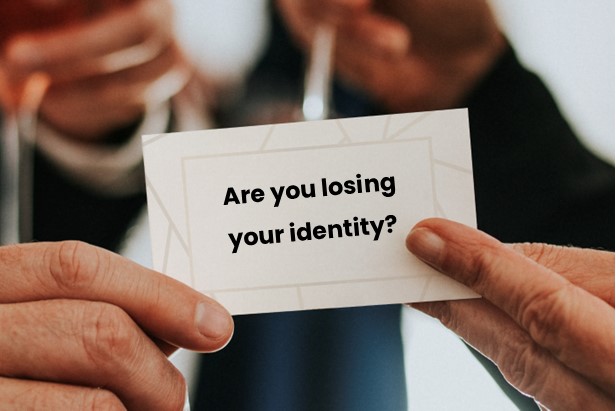
Are you losing your identity in your company?

Losing your identity in your company is something I am encountering far more frequently with clients in recent years. In any organisation, the roles and responsibilities of individuals are typically well-defined. But what happens when those boundaries start to blur? When do leaders and employees start to feel like they’re losing their sense of self in the company? That’s a problem, and it can have serious consequences for both the individual and the organisation. A leader’s identity sets the tone for the entire organisation, and it can be a powerful tool for motivating employees and achieving success. To create an effective and cohesive team, leaders need to be conscious of how their own identity is shaping the way employees view their roles within the company. Leaders need to be aware of how their actions are impacting employees, and they should work to maintain a clear distinction between personal identity and professional identity. Famous Leadership Coach John Whitmore refers to the blurring of those lines as a “leadership trance”, and it can hurt employees who feel as if they’re losing the sense of self that drives them. Leadership trance is detrimental to company culture. Leadership trance goes beyond the realms of typical role confusion; it’s about more than just feeling like you’re losing your sense of self in the company. In this article, we’ll explore how conscious leadership impacts employee satisfaction and company culture, and we’ll look at how leaders can maintain a clear distinction between their personal and professional identities. Why identity is important in the workplace When it comes to the workplace, it’s essential for employees to feel like they’re able to maintain a sense of self. After all, it’s important for people to feel like they’re able to be themselves, and not just another cog in the machine. There are several reasons why identity is so important in the workplace. For one, it helps employees to feel connected to their work. They’re not just doing a job, they’re part of something larger. It also gives employees a sense of purpose and meaning, which is especially important in today’s world. And finally, it allows employees to express their individuality and creativity. So, if you’re feeling lost in your job, or like you’ve lost sight of who you are, it’s not a good thing. It can have some pretty serious consequences. Losing sight of who you are is a warning sign that something is going wrong with your work life. Other signs include: Feeling disengaged from your work for a prolonged period Losing your job entirely Taking up a new hobby or passion that you can’t seem to fit into your work-life balance Remember, identity isn’t the same as personality. Your personality is who you are, whereas your identity is how people perceive you. In other words, it’s what people see when they look at you, the impression they get. If you feel like you’ve lost sight of your identity in the workplace, don’t worry. Leadership coaching can help you to gain back that sense of who you are and what matters to you about your work. Leadership coaching is about rediscovering yourself. It’s about strengthening your leadership skills so that you can go back to the workplace and do what you do best. In fact, one of my clients referred to himself as a robot. When he came to me,  he looked really tired and burnt out. We had to start from scratch to identify what his purpose in life was, let alone his career, and map out what were his priorities. He had lost himself so much in the organisation. Fast forward to his new role and he knows where he ends and the company starts. He looks like a different person – happier, healthier, more joy. He knows where he wants to achieve balance to pursue his other goals. Where this role fits in with longer term plans. The issue is that when your identity blurs so much with something outside of you – and that something disappears – e.g. job, partner – you feel lost at sea. Therefore understanding yourself, what you stand for and what you want is critical to weather life’s storms. How to maintain your identity in the company What happens when your leadership identity is compromised? Leadership has the potential to affect your company in both good and bad ways. Your leadership style sets the tone for how your employees act, which can increase productivity or lead to lost productivity through employee discontent. Your leadership style also reflects on you as an individual. If there are issues within your leadership capabilities, it can harm your identity as a leader. Leadership is more than just being able to give orders – it requires you to understand the strengths of your employees and how they work, so you can use their skills most effectively. Leadership requires empathy and understanding. Leadership means always striving for improvement in yourself, but also striving to improve the company as a whole. When you stop being able to lead, it can be hard on yourself, but it can also harm the rest of your team and the wider organisation. Leadership coaching often starts with you reflecting on your strengths and weaknesses to better understand how to implement them into leadership roles. Leadership coaching is not just for those who need certification, but for anyone who wants to better themselves as a leader. It’s about finding ways to improve your leadership skills, whether that’s through group or individual sessions. Leadership coaching gives you the freedom and opportunity to explore skills with experts who can help guide you along the way. It’s also a great way for those new to leadership roles to develop their abilities and find what techniques work best for them, and also a great way for those seasoned leaders to improve their skills. If you are struggling with leadership or feel like your identity is being compromised, spending time with a coach could be the perfect

Are you losing your identity in your company? Read More »

what is imposter syndrome

What is Imposter Syndrome?

Imposter syndrome is a psychological occurrence among people who don’t feel they deserve the success they’ve achieved. It is usually associated with intense feelings of self-doubt. Most often, people report feeling “like a fraud”, particularly in their professional lives.  Imposter syndrome is especially prevalent among young professionals. A Varkey Foundation study found nearly a third of millennials felt intimidated in the workplace and self-identified as having Imposter Syndrome. There are 17 million young professionals in the UK between the ages of 22 and 38. One-third is a significant number of people who struggle to accept their place in a professional environment.   Imposter Syndrome isn’t limited to young professionals. Men and women in all age ranges are affected.   More than 70% of people experience a feeling of inadequacy, particularly in their careers, despite compelling evidence of success. Even people with great achievements, people who work in positions of high authority are affected by this sense of self-doubt. Researchers apply the name imposter syndrome to this phenomenon.  If you are one of the millions of people who have accomplished much, but still see yourself as a fraud, you might ask yourself, “what is imposter syndrome?” Let’s explore this psychological pattern and find help to accept the accomplishments you have earned. How to Tell If You Have Imposter Syndrome There’s a difference between feeling unprepared for a meeting and feeling like a fraud in your life. There are Imposter Syndrome tests online you can use to validate your suspicions, but experts classify five “Imposter Categories” in which people typically identify.  The Perfectionist The perfectionist is the person who can never make a mistake. Their work always has to be the very best. Every personal and professional effort must be 100%. The Expert Expert is something of a misnomer. While people in this category may be seen as an expert, they seldom accept themselves as such. Instead, they continually berate themselves for not knowing everything about a subject.   The Soloist If you never need or want help, you’re likely a soloist. The soloist believes they must achieve everything on their own with any assistance from anyone else. The Superwoman In early studies of Imposter Syndrome, only women were believed to be affected. This profile, however, applies to both sexes. It’s common among people who believe their competence relies on being able to do everything well, and do it with little effort.  The Great Mind There is value in sitting with an idea and waiting for it to develop. However, the Great Mind believes every plan they have must be great, and they must have this great idea quickly and easily.  Imposter Syndrome Coping Skills It’s vital to deal with these feelings of inadequacy quickly and frequently. Here are some Imposter Syndrome coping skills that will move you toward overcoming the perception of being an impostor. Accept that it’s okay to be new and not know everything. Being new is an excellent position to be in if you are starting a new career or changing careers. Organisations frequently lament their lack of fresh perspective and a sense of doing things the old way because it is how they’ve always been done. Being new, you can ask questions that haven’t been considered, approach problem-solving in a new way, and think of things others haven’t tried. Instead of feeling like an imposter, think of yourself as an outsider and a change agent. Learning is sometimes more important than performing. People who suffer from Imposter Syndrome frequently believe they are underperforming when they are trying to learn a task or process. This only reinforces the mindset you are unfit for the job. Instead, focus on taking time to learn everything you can about your organisation, its people, and its processes. When you shift your perspective in this way, you achieve new ground, even if you make mistakes along the way.  It’s all about perspective. From the entry-level associate to the CEO of a major company, Imposter Syndrome affects people at every stratum of an organisation. Nearly every executive has experienced the fear of being “found out,” or seen to be the fraud they believe they are. The fact is, very few people feel like they belong where they are. While that is a sobering realisation, it is also a comforting one to realise you are not alone.  How to Overcome Imposter Syndrome Managing your feelings of anxiety and changing your perspective are important first steps to accept your success and position. The goal, however, should be a continual validation of your value and capability. In short, we want you to overcome Imposter Syndrome.  Find Ways to Reinforce Your Expertise Look for opportunities within your organisation to present ideas or share your experience with others. Many people who train new employees or mentor less experienced professionals report feeling more confident in their abilities. Accept That Perfection Is Unattainable This may be a difficult sentence to read, but no one is perfect. The French philosopher Voltaire once said, “better is the enemy of good.” In other words, you can do a task well and enjoy the benefits of a job well done, or you can continually pursue a level of perfection that will never come.  Find ways and moments to celebrate each accomplishment, no matter how small. Then move on to the next task knowing you’ve done a good job. Talk with a Professional Life and Career Coach One of the most frequent suggestions for dealing with Imposter Syndrome is talking with a mentor or coach. Sarah Jones works with individuals and groups to help you regroup or reinvent your career. She can help you find the resilience within you.  There Is Hope You’re not alone. Imposter syndrome affects millions of men and women from all walks of life. And while imposter syndrome tests and assessments may help you characterise your condition, it’s essential to know you can move forward with confidence.  As you use these tips to cope with, and ultimately overcome your feeling of inadequacy, you will undoubtedly encounter others who ask “what is imposter syndrome?” Once you’ve accepted your

What is Imposter Syndrome? Read More »