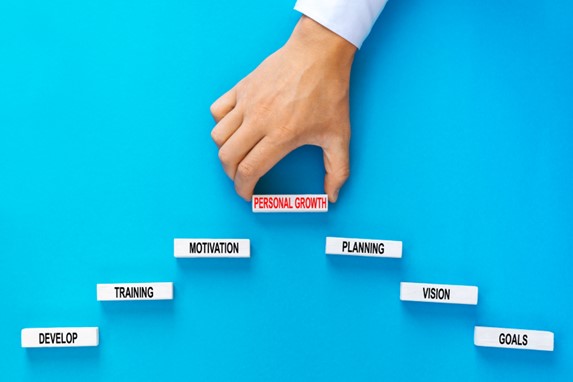
Self-Mastery: Personal Development Through Leadership Coaching
Leadership is not merely a title but a journey of growth and transformation. Have you ever pondered how Personal Development through Leadership Coaching can pave the way for self-mastery? Delving into this realm provides a clear lens to view the transformative journey individuals undertake when honing leadership abilities. The Intersection of Personal Development and Leadership Understanding Personal Development Personal development is a lifelong journey. It’s about recognising one’s potential, honing skills, and continuously pushing boundaries. Much like a butterfly emerging from its chrysalis, it’s a transformative process that requires introspection and action. Leadership: More than Just Leading True leadership is about influence, motivation, and the ability to inspire others. It’s about having a vision and the tenacity to achieve it. But how does one cultivate these skills and attributes? This is where Personal Development through Leadership Coaching shines. Core Principles of Leadership Coaching Embracing Self-awareness Do you truly understand your strengths and weaknesses? Self-awareness is the cornerstone of leadership. By recognising your inherent traits, you can harness your strengths and work on your areas of improvement. Continuous Learning In a rapidly evolving world, the thirst for knowledge is paramount. Leadership coaching emphasises the importance of being a lifelong learner. It’s not just about gaining knowledge but about adapting and evolving. Cultivating Emotional Intelligence Ever wondered how some leaders manage to stay calm under pressure? The secret often lies in their emotional intelligence. It’s the ability to understand, manage, and effectively express one’s emotions while navigating interpersonal relationships judiciously and empathetically. Personal Development through Leadership Coaching: The Benefits Gaining a Clear Vision How often have you felt directionless? Leadership coaching offers tools and strategies to help individuals crystallise their goals and objectives. Imagine navigating life with a well-defined roadmap! Boosting Confidence and Self-Esteem Shaking off self-doubt can be a monumental challenge. Leadership coaching instils a renewed sense of confidence, empowering individuals to take on challenges head-on. Enhancing Communication Skills Communication is the bridge to understanding. Through effective coaching, one can hone their articulation, ensuring ideas and visions are conveyed compellingly and persuasively. Real-world Applications of Leadership Coaching In Professional Settings Leadership coaching isn’t confined to the boardroom. From project managers to CEOs, Personal Development through Leadership Coaching can elevate professional trajectories, fostering a culture of growth and innovation. Personal Lives and Relationships Believe it or not, the principles of leadership can enhance personal relationships. By embracing qualities like empathy, active listening, and effective communication, we pave the way for stronger, more meaningful connections. Community and Beyond A true leader influences not just their immediate surroundings but the larger community. By fostering personal development, individuals can drive positive change in societies, crafting a legacy that resonates for generations. Embarking on Your Leadership Coaching Journey Finding the Right Coach As with any journey, the right guide can make all the difference. When seeking Personal Development through Leadership Coaching, it’s crucial to find a coach who resonates with your objectives and vision. Setting Clear Objectives Knowing where you want to go is half the battle. Outline clear, measurable objectives for your coaching journey. This clarity can act as a beacon, guiding your path towards self-mastery. Embracing the Process Change doesn’t happen overnight. As you embark on your journey of Personal Development through Leadership Coaching, remember to trust the process. Embrace challenges as opportunities and celebrate every milestone. Conclusion: The Quest for Self-Mastery The road to self-mastery is winding and filled with discoveries. Personal Development through Leadership Coaching is more than just a tool; it’s a compass that directs us towards our true potential. As we stand on the cusp of transformation, one question remains: Are you ready to embark on this transformative journey? Summary The article delves into the transformative journey of Personal Development through Leadership Coaching, highlighting its core principles, benefits, real-world applications, and steps to embark on this path. Leadership coaching stands as a beacon directing individuals towards their true potential and the essence of self-mastery. Frequently Asked Questions How does Personal Development through Leadership Coaching differ from traditional personal development methods? Personal Development through Leadership Coaching specifically focuses on nurturing leadership qualities within individuals, driving them not just towards self-improvement but towards influencing and motivating others. While traditional personal development methods might concentrate on individual growth, leadership coaching ensures growth is coupled with the ability to lead, inspire, and make impactful decisions both in personal and professional settings. What core principles underscore the effectiveness of leadership coaching? The effectiveness of leadership coaching is anchored on three core principles: Embracing Self-awareness: Recognising one’s strengths and weaknesses to harness and improve them. Continuous Learning: Adapting and evolving in an ever-changing world by being a lifelong learner. Cultivating Emotional Intelligence: Understanding, managing, and effectively expressing one’s emotions while building and maintaining empathetic and judicious interpersonal relationships. How can one apply the benefits of leadership coaching in personal relationships? The principles of leadership, such as empathy, active listening, and effective communication, are not restricted to professional environments. In personal relationships, these skills can foster better understanding, trust, and mutual respect. For instance, by being a good listener, one can understand the needs and concerns of their partner or family, leading to stronger, more meaningful connections. What are the key considerations when choosing a leadership coach for personal development? When selecting a leadership coach for Personal Development, one must consider: The coach’s experience and credentials. Alignment with the individual’s objectives and vision. Feedback or testimonials from previous clients. The coaching methodology and tools they utilise. Their ability to foster a comfortable and open coaching environment where individuals feel safe to share and learn. Why is emotional intelligence a central theme in leadership coaching for personal development? Emotional intelligence plays a pivotal role because it dictates how one understands, manages, and expresses emotions. In leadership roles, high emotional intelligence ensures leaders manage teams effectively, resolve conflicts, and navigate challenging situations with grace. In personal development, it aids in self-regulation, resilience, and forming deeper interpersonal relationships. Through leadership coaching, individuals are taught to harness this intelligence for
Self-Mastery: Personal Development Through Leadership Coaching Read More »