Sarah Jones Leadership Coaching

women in leadership

women in leadership

Women in Leadership Coaching Programme – What to expect and what you will gain.

Over the years I’ve been continually developing my own women in leadership coaching programme, based in part on the changing world we live in, and in part on my own personal experiences as a woman in leadership prior to becoming a leadership coach. In my previous career, by the time I was 30, I was the only woman on an all-male Board of a listed company. I was nervous of course, but my innate drive & ambition saw me through, I knew my subject area inside-out, and frankly – I am quite an assertive, dynamic person, who wasn’t about to be talked over.  But the experience was exhausting at times, having to hold my own, and feeling quite isolated. But everyone’s different, it doesn’t have to be that way for you – and we must learn to flex our leadership styles & behaviours according to who we are working with, talking to – and what feels authentic to who we are inside. If you pretend to be someone you’re not – your colleagues will spot it a mile off. This isn’t about pretending or dampening your style but embracing what you have to offer as a leader or manager, leading with your strengths, and working on any blind spots (we all have blind spots don’t worry!) Women in Leadership Coaching Programme – The Basics To be a successful woman in leadership you will need 5 basic skills Knowing your value as a leader Leadership is a skill that is not easily acquired. It takes time to learn and there are many factors that contribute to being a successful leader. We all know what it feels like to be led by someone who doesn’t have the skills or qualities of leadership. Communication skills Communication is a skill that can be learned and improved with practice, so it is important for women to be aware of their strengths and weaknesses when communicating with others. Resilience skills The ability to cope with adversity and to recover from setbacks is a crucial characteristic of successful leaders. Those who cope with adversity by learning strategies to overcome these challenges, are more likely to be successful in the long run. Connecting with people The importance of connecting with people cannot be overstated. It is the most critical skill that a leader must possess. It is important to understand how your personal values and beliefs align with the values and beliefs of your employees, customers, and other stakeholders. Alignment in this sense means that people are on the same page about what they want to achieve, how they want to get there, and what it will take to get there. Winning over hearts and minds The world has changed. The workplace is no exception. Women are now expected to be leaders, not just followers. They need to be able to lead and inspire their teams with a clear vision, strong communication skills and the ability to motivate others. Women in Leadership Coaching Programme – The Steps My women in leadership coaching programme is designed for women who are interested in leadership, who want to be leaders, or who are already leaders. It will help you to identify your strengths and how to use them to succeed in your career. This program is for you if: You want to explore how you can lead from your authentic self You want practical tools and skills that will help you overcome challenges as a female leader. Step One – Define What Success Means to You Success is not an easy thing to define. It means different things to different people. What is important is that we set goals and work towards them. Many people don’t know what success means to them, and they need a mentor or coach to help them with this. This person can provide guidance, support, and encouragement, but it’s ultimately up to the individual on how they want their life to be. It’s also important for us to set goals and work towards them if we want our lives to be successful. It doesn’t matter what other people think about our goals as long as we are happy with them. Step Two – Set Goals for the Future Set goals for your future, and then break it down into small, manageable steps. We are then able to measure progress and success on the path the reaching your goals. Step Three – Believe It’s Possible The third step is to believe it is possible. It’s important to acknowledge the things you can’t do, but also to have faith in your abilities and skills. It’s important to believe in yourself and have confidence in your abilities. Self-belief will help you achieve more, and it will make the process of content creation easier. You should never underestimate yourself or think that you are not good enough for something. You are capable of achieving anything you want if you put your mind to it! Women in Leadership Coaching Programme – The Skills As a woman in leadership, you will need to adapt your mindset and style. Here are just some of the areas I cover – It’s called the ABC’s of women in leadership – Assertiveness, Boldness, Confidence: Owning your leadership journey & embracing your style, and what you offer. Assertiveness training & skills Assertiveness training is a way to learn how to communicate your needs, beliefs, and values in a direct and honest way. Assertiveness can be difficult to master at first, but it becomes easier with coaching, practice, and lots of feedback. Boldness training & skills Being bold is an important element of leadership. And while women in leadership cannot be expected to rehearse a presentation for the board, that doesn’t mean they cannot develop the skills needed to deliver a presentation with impact. Confidence training & skills Overcoming challenges builds a belief in your capacity to act in the ways necessary to reach specific goals, which results in increased confidence. Challenge yourself to have difficult conversations,

Women in Leadership Coaching Programme – What to expect and what you will gain. Read More »

Women In Leadership

Women in Leadership – The History, The Emergence, The Benefits

The history of women in leadership in business is a relatively recent one. While women have been involved in business throughout history, they were generally confined to traditional roles such as running small shops or working in the home. It wasn’t until the late 19th and early 20th centuries that women began to enter the workforce in large numbers, and it wasn’t until the mid-20th century that women began to break into leadership positions in business. One of the first women to achieve significant success in business was Madam C.J. Walker, an African American entrepreneur who built a successful hair care empire in the early 20th century. Despite facing significant barriers due to her race and gender, Walker was able to build a successful business and become one of the first African American female millionaires in the United States. The Representation of the People (Equal Franchise) Act 1928 was a law passed by the Conservative government in the United Kingdom, which granted equal voting rights to men and women over the age of 21. The law was passed on 2 July 1928, and it came into effect on 2nd of September of the same year. This law was the culmination of decades of campaigning by the women’s suffrage movement, which had been pushing for the right to vote for women since the late 19th century. The suffragettes had used various tactics, including peaceful protests and civil disobedience, to draw attention to their cause. The suffrage movement was divided into two groups, the suffragists, who campaigned for the vote through peaceful means, and the suffragettes, who campaigned for the vote through militant means. Both groups had worked tirelessly to achieve the vote for women and the Representation of the People (Equal Franchise) Act 1928 was a significant victory for them. The law brought a number of changes to the political landscape in the UK. For the first time, women could participate fully in the democratic process and have an equal say in the governance of their country. This law also increased the number of eligible voters by around five million, which had a significant impact on the political makeup of the country. The act also helped to empower women and give them a greater sense of agency and autonomy in their lives. It also helped to break down some of the traditional gender roles and stereotypes that had previously existed. However, it must be noted that the law did not grant the vote to all women, as certain groups of women such as the domestic servant, remained disenfranchised. Additionally, the law did not grant the vote to all men, as certain groups of men such as those who were incarcerated remained disenfranchised. The Representation of the People (Equal Franchise) Act 1928 was a landmark law that granted equal voting rights to men and women over the age of 21 in the United Kingdom. It was the result of decades of tireless campaigning by the women’s suffrage movement and it brought about significant changes in the political landscape, empowering women and giving them a greater say in the governance of their country. During World War II, many women were recruited into the workforce to replace men who had been sent to fight. This was a significant step forward for women in the workforce, as it helped to break down some of the traditional gender barriers that had previously existed. However, women were expected to return to their traditional roles once the war was over and the men returned home. In the 1960s and 1970s, the feminist movement brought attention to the lack of women in leadership positions and began to push for greater equality in the workplace. This led to changes in legislation and policies, such as the Civil Rights Act of 1964 in the USA, which prohibited discrimination on the basis of sex. Despite these changes, women continued to face significant barriers in the workplace, including discrimination, bias, and lack of opportunities. In the 1980s and 1990s, more and more women began to break through the glass ceiling and enter into leadership positions in business. This was due in part to the increasing number of women who were graduating from college and entering the workforce, as well as to the growing recognition of the business benefits of diversity and inclusion in the workplace. In recent years, there has been a growing recognition of the importance of having women in leadership positions, not only from a social and ethical perspective, but also from a business perspective. Studies have shown that companies with more women in leadership positions tend to have better financial performance and more sustainable business models. Additionally, in the 21st century, more women are starting their own businesses and leading technology companies, which is a great sign of progress. However, there is still a significant gap in the number of women in leadership positions compared to men, and there is ongoing work to be done to promote greater equality in the workplace. Despite the progress that has been made, women still face barriers such as discrimination, bias, and lack of opportunities, and organisations are still working to promote more diversity and inclusion in leadership roles. 5 Examples of How Women in Leadership helps organisations succeed: Increased diversity of perspectives and ideas: Women in leadership bring a unique perspective and set of experiences that can lead to more innovative and effective solutions for the organisation. Studies have shown that companies with higher levels of gender diversity in leadership tend to have better financial performance. Improved communication and collaboration: Women in leadership tend to have strong communication skills, which can help to foster a culture of collaboration and cooperation within the organisation. This can lead to improved teamwork and increased productivity. Greater empathy and emotional intelligence: Research has shown that women tend to have higher levels of emotional intelligence, which can help to create a more positive and inclusive work environment. This can lead to improved employee engagement and retention. Better

Women in Leadership – The History, The Emergence, The Benefits Read More »

women in leadership

Women in Leadership Articles

As a former member of the women in leadership fraternity I have personally overcome many challenges women face as they progress their careers on the path to becoming women in leadership. With over 25 years working in leadership positions within global organisations, I am ideally placed to coach and prepare women for leadership roles. How have I helped female leaders before? Whether in their current, new, or first leadership role, I’ve helped women to find their voice & influence at a senior level, build confidence & resilience, embrace assertiveness as an asset to their role, and build alliances, overcoming any organisational & structural barriers. As a woman in leadership, whether new or experienced, you may realise that you need to adapt your mindset and style. Here are just some of the areas I cover – It’s called the ABC’s of women in leadership – Assertiveness, Boldness, Confidence: Owning your leadership journey & embracing your style, and what you offer. Assertiveness training & skills Boldness training & skills Confidence training & skills Finding your voice, and speaking up A dive into ‘alpha female’ & related concerns Building alliances & influence across the organisation Imposter syndrome Analysis of your leadership traits according to global benchmarks Conflict resolution Finding balance & dealing with competing emotions Image, voice, words & body language I have written extensively on the women in leadership subject and my articles provide advice and guidance for women in leadership. Below is a archive of some of those articles: Women in Leadership – Leading During a Crisis Emergency crises are the ultimate test for any woman in leadership in demonstrating their leadership skills. As a result, it is more important than ever that business owners and leaders alike know how to succeed. Women are natural-born leaders, and they have a unique set of skills and abilities that are perfect for crisis leadership roles. Women take a more holistic approach to problem-solving, which is why they excel in this role. In this article I cover: The Qualities of a Good Leader How Flexibility and Authenticity Provide Stability How Communication and Presence Bring Reassurance How Vulnerability and Compassion Engage Respect How Curiosity and Optimism Drive Morale A Good Leader Knows When to Act Every Leadership Quality Relates to Every Other Read Article Career Progression and Improvement Many women in leadership and emerging female leaders find themselves frustrated with their current jobs and wonder if they need a career change. You might not be frustrated with the job but frustrated because you feel like you’re stuck in place.  Not for long women in leadership roles! Take a look at these tips below to prioritise career progression and work your way towards the career success that you desire. In this article I cover: Take Stock of Your Situation and Count Your Blessings Create Long-Term and Short-Term Goals Don’t Just Gain Knowledge, Apply It Take Frequent Self-Assessments Read Article The Importance of Women in Leadership & How to Empower Them Gender bias, stereotypes and expected social norms are amongst the many barriers to the number of women in leadership roles. These somewhat archaic policies, practices, and perceptions continue to undermine a parity of women in leadership, female career progression and create obstacles in the workplace. Predictions by the World Economic Forum indicates that it will take 70 to 107 years to close the gender gaps in Asia. However, there is irrefutable proof from studies that women in leadership benefit business and improve financial performance, indicating that women in leadership are critical for organisational success and companies that intentionally prioritise and plan for women’s leadership development gain significant advantages. In this article I cover: Gender Disparity in STEM Related Industries Reasons For Gender Disparity Efforts To Improve Diversity in Leadership Benefits Of Gender Inclusion Ways to Recruit, Retain, and Advance Women in Leadership Ways to develop & encourage Women in Leadership Read Article Dealing with Stress and Keeping Calm Women in Leadership face more challenges than their male counterparts, due in part to historical, societal bias and a higher reported occurrence of imposter syndrome amongst women in leadership. Did you know that over 2 million people pass away each year from work-related illnesses? Changes at work can become a major contributing factor to stress. It’s especially for people who become distressed when encountering these sudden events. In this article I cover: Remain Focused and Confident Maintain a Positive Attitude and Rely on Your Team Take Breaks and Plan Ahead Communicate With Your Colleagues and Peers Be Patient Read Article How to be Women in Leadership People Want to Follow All women in leadership want to be one of those leaders that everyone admires and naturally wants to follow. Leaders who inspire, motivate, and engage are the holy grail or businesses, and they are always remembered for all the right reasons. So how can you be become one of those women in leadership who people want to follow? In this article I cover: Work on your communication Encourage growth Don’t be afraid to fail Keep your attitude consistent Manage well Celebrate success Delegate Read Article Women in Leadership – Are women’s leadership & development programs working? It seems the number of women in leadership, or to be more precise “female managers” in the UK has halved, according to a report from business advisory firm Price Waterhouse Coopers. The findings show that half a million females are “missing” from workplaces in England and Wales, despite companies having made major strides to increase the proportion of women in leadership roles. In this article I cover: How do we address this imbalance? The Link Between Women in Leadership and Peace Women in Leadership Coaching Programmes Read Article Women in Leadership – Dealing with Anxiety & Pushing on Through Anxiety for women in leadership is very common. Leadership anxiety is one of the most common problems faced by leaders today. It can be debilitating and can also lead to other mental health problems. In this article I cover: Lack of confidence Feeling overwhelmed Inability to make

Women in Leadership Articles Read More »

women in leadership

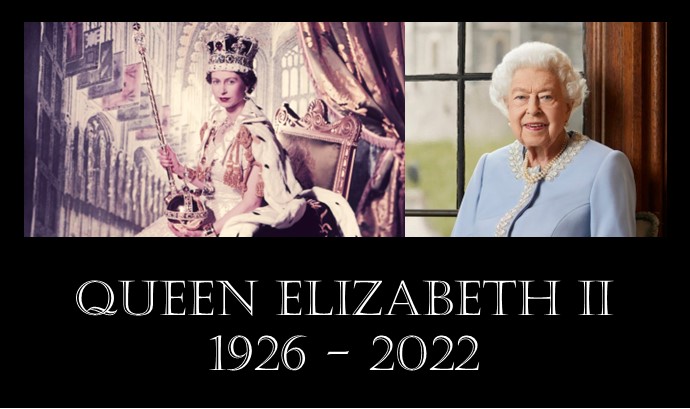
Women in Leadership – Queen Elizabeth II

When we talk about women in leadership, one woman stands out above all others in terms of her weight of responsibility and the length of time in her leadership role, and that woman in leadership was Queen Elizabeth II. Queen Elizabeth II was born on the 21st of April 1926 and passed away, peacefully at Balmoral on the 8th of September 2022, at the age of 96. One of her last official acts as Queen, and one of the longest serving women in leadership, was to install her 15th prime minister, Liz Truss, just two days before her death. On 6th February 2022, marking 70 years of her service, the UK had a series of celebrations for the Queen’s Platinum Jubilee. Queen Elizabeth become the first British monarch in history to celebrate a Platinum Jubilee. To celebrate this unprecedented anniversary, events and initiatives will take place throughout the year, culminating in a four-day UK bank holiday weekend from Thursday 2nd to Sunday 5th June. These four days of celebrations included public events and community activities. She ruled the United Kingdom with dignity and grace for seven decades and was such a longstanding leader, it’s often overlooked that she wasn’t even supposed to have become Queen. Elizabeth was the daughter of King George V’s second son and had little expectation of succeeding to the throne. After King Edward VIII announced his intention to marry American socialite Wallis Simpson, her status as a divorcée caused a constitutional crisis that led to Edward’s abdication. Elizabeth was then called upon to assume the throne, beginning a momentous reign. 15 Dates of Note During her Reign Queen Elizabeth II’s Coronation – June 2, 1953 Held at Westminster Abbey, Elizabeth’s coronation ceremony was the first to be broadcast live on television. Some 27 million people in the United Kingdom, out of a total population at the time of 36 million, watched the ceremony, and 11 million more listened on the radio. Afterward, some 3 million people lined the route as the Queen made her way back to Buckingham Palace. First State Visit to West Germany – 1965 During a decade noted for social and political changes, the Queen kept to a busy schedule of diplomatic duties, including a 10-day visit to West Germany that was the first official visit there by a British royal since 1913. Her visit marked the 20-year anniversary of the end of World War II, helping to symbolise the reconciliation between the two countries and recognise Germany’s re-emergence as a power in Europe and on the world stage. Mining Disaster in Wales – 1966 On October 21, 1966, an avalanche of mud, water, and debris from a coal mine buried an elementary school in the South Wales village of Aberfan, killing 116 children and 28 adults. Though Prince Philip arrived in Aberfan a day after the disaster, the Queen herself delayed her visit for over a week, fearing her presence would distract from rescue and recovery efforts. Some of those close to Elizabeth, including her former private secretary, Lord Charteris, have said she regretted the decision not to visit Aberfan sooner. First ‘Walkabout’ – 1970 During a royal tour of Australia and New Zealand with Philip and Princess Anne in 1970, Elizabeth bucked centuries of royal tradition when she took a casual stroll to greet crowds of people in person, rather than wave to them from a protected distance. Now a regular practice for British royals both abroad and at home, the first “walkabout” in Sydney was proposed by Sir William Heseltine, an Australian who served as the queen’s private secretary and was the driving force behind a 1969 TV documentary featuring the royal family, which attracted a global audience of some 40 million people. Silver Jubilee – 1977 On June 7, Elizabeth and Philip rode in the Gold State Coach from Buckingham Palace to St. Paul’s Cathedral to officially celebrate her 25th year on the throne. Wearing a bright pink outfit, including a hat decked out with 25 fabric bells, the queen repeated her long-ago pledge to devote her life to service, saying that “Although that vow was made in my salad days when I was green in judgement, I do not regret nor retract one word of it.” Prince Charles’ Wedding to Lady Diana Spencer – 1981 On July 29, 1981, an estimated 750 million people in 74 countries around the world tuned in to watch Prince Charles, Elizabeth’s eldest son, marry Lady Diana Spencer, at St. Paul’s Cathedral. The romance between the Charles and Diana attracted massive media attention, and their lavish ceremony was considered the “wedding of the century.” But while Diana earned the adoration of the public, her marriage to Charles, and her relationship with the royal family, was troubled from the beginning. Visit to China – 1986 Queen Elizabeth became the first British monarch to visit the Chinese mainland, touring the terracotta warriors in Xi’an and the Great Wall of China in Beijing. For the press, the diplomatic importance of the queen’s visit was outweighed by her husband’s characteristic gaffes, such as Philip calling Beijing “ghastly” and told a group of British students they would get “slitty eyes” if they stayed in China too long. ‘Annus Horribilis’ – 1992 Charles and Diana’s marriage continued to deteriorate, and in 1992 they announced their decision to separate. Prince Andrew, the queen’s second son, and his wife, Sarah Ferguson, also separated, while Anne divorced her husband, Mark Phillips. Later that year, a fire broke out in Windsor Castle, destroying more than 100 rooms. In a speech delivered to mark the 40th anniversary of her coronation, Queen Elizabeth remarked that 1992 “has turned out to be an ‘Annus Horribilis’”: Latin for “a horrible year.” Response to Princess Diana’s death – 1997 Public criticism of the royal family grew more intense after Charles and Diana’s divorce in 1996 and especially after Diana’s death in a car crash in Paris the following summer. The queen initially remained at her estate in

Women in Leadership – Queen Elizabeth II Read More »

women in leadership

Women in Leadership – Leading During a Crisis

Most of today’s workforce, let alone women in leadership, had never seen a social shift as seismic in their lifetime as the one created by COVID. Lockdown on a global scale forced everyone to redefine normality. Emergency crises are the ultimate test for any woman in leadership in demonstrating their leadership skills. As a result, it is more important than ever that business owners and leaders alike know how to succeed. Women are natural-born leaders, and they have a unique set of skills and abilities that are perfect for crisis leadership roles. Women take a more holistic approach to problem-solving, which is why they excel in this role. Qualities of a Good Leader First of all, it is vital to recognise the qualities of a good leader. The chances are that, as a leader, you likely already have the critical skills needed to excel in a crisis. It is no surprise that all the finest qualities in a successful leader are expressive and emotive. Authenticity, honesty, motivation, and vulnerability are some of the skills that nurture success in the workplace. Still, acknowledging you have these skills in your toolbox is only half the process. A gift of its own is for women in leadership to understand how to relate these existing skillsets in an emergency situation. Those who are willing to adapt, succeed where others fail. Flexibility and Authenticity Provide Stability The most important of any leadership quality in a crisis is the willingness to adapt to change, and providing that flexibility. Likewise, a great leader should be willing to adapt. Standing by principles is also powerful and valuable. This balances honesty and integrity with an open-minded approach, so employees feel heard and respected. For example, in a GDPR breach, a good leader will stick to a robust moral code of privacy and involve other employees in the improvement process. It is no surprise that employees of the most outstanding leaders are respectful in a crisis. These leaders identify as those who provide the perfect balance of principles. Communication and Presence Bring Reassurance One of the biggest reasons for failure in a crisis is a lack of leadership. And in the majority of cases, a lack of presence and communication are the reasons. This is of course why most companies assign a second-in-command should a leader be absent for reasons out of their control. In any case, being available 24/7 is enough to build trust in a team. Lack of presence also results in a lack of communication. Even if you are a present leader, the lack of flexibility and willingness to communicate only results in more failure. Most employees prefer direct contact for speed and accuracy. Vulnerability and Compassion Engage Respect In uncertain times, the primary emotion that resides in all employees is fear. If an employee is fearful for the future a great leader will encourage communication between different parties and show vulnerability where needed. It may be that tension is between two or more team members, in which case a great leader flexes into a facilitator role. Likewise, if the fear is directly related to the company or leadership itself, great women in leadership listen with an open door. It is vital in these times that women in leadership allow themselves to guide the business in the right direction whilst acknowledging others’ views. Times of crisis often provide the largest building blocks for developing a better future. Employees confide in a great leader because that leader knows how to bring out the best in them. A great leader believes in their team. Curiosity and Optimism Drive Morale A curious mind is often the one that turns a negative into a positive. And with that comes an optimistic philosophical approach to engaging the team through unexpected times. For their own reasons, employees will present themselves as fearful and ask questions about the unknown. A curious leader will take these questions and expand on them. These questions given by the employees can, with the right mindset, provide many new ideas and answers never seen before. A great example is the number of women in leadership who realise that it is possible to run a business from home due to Coronavirus lockdown. Companies that stemmed around face-to-face interaction realise that, given the tools, their teams can work in an independent manner, attend video meetings and still communicate via business-tailored message boards. Good leaders use curiosity to drive inspiration and optimism to engage the team in finding answers. A Good Leader Knows When to Act Women in Leadership may have all the above skills, but a good leader knows exactly when to execute them. A great leader also knows how to learn from their failures and accept their existence. Skill execution is most important during a period of uncertainty. For example, it’s always good to be optimistic in principle. But without taking time to reflect on the situation and understand the end goal, many misconstrue optimism as naivety. Many employees can see through a facade. They need a leader who will listen and ease their concerns, not brush them under the carpet with business jargon and preconditioned responses. Likewise, if a leader refuses to listen to employees and express their concerns, their morale, efficiency, and trust levels deplete. Instead, most people would prefer an honest, justified answer than a flat-out dismissal of their opinions on the matter. Every Leadership Quality Relates to Every Other As essential as these qualities are in a good leader, it is clear they are worthless without the right balance, mix, and understanding. A leader should support a team through uncertainties and ensure their leadership quality continues throughout the business’s ups and downs. In doing so, they can relax knowing the company is better prepared for whatever uncertainty comes at it in the future. Sarah Jones Leadership Coaching and Women in Leadership As a former member of the women in leadership fraternity  I have personally overcome many challenges women face as they progress their careers on the path to becoming women in leadership. With

Women in Leadership – Leading During a Crisis Read More »

Authentic Leader

Are you an Authentic Leader?

Do you identify as, or aspire to become, an authentic leader and been seen as a success in the Authentic Leadership sphere? Here we outline 10 key characteristics of Authentic Leadership and authentic leaders. Authentic Leadership and Authenticity are the most compelling new directions in leadership, allowing leaders – particularly women in leadership – to redefine what their approach to leadership looks like on terms that actually resonate with their values. Crucially, authentic leadership involves encouraging direct reports and subordinate staff, by encouraging input and by nurturing genuine relationships with teams. But are you actually an authentic leadership pioneer, or are you currently going through the motions, copying other more accepted styles, and trying to find your own pace and approach? Here are some characteristics that suggest you are being a ‘true’ leader – one that can encourage performance at a team and individual level: 1) You’re self-aware and naturally reflect on your performance without bias, putting in work to improve your weaknesses, to overcome fears and to leverage your strengths. 2) You lead with your heart and dig deep to lead with empathy and courage. 3) You naturally focus on the long-term results and gains, rather than obsessing over short-term or temporary setbacks. You know that hard work will pay off in the long term. 4) You have a profound sense of integrity and character – saying things that you mean, keeping your word, and being a figure that people trust. 5) You lead with vision and purpose – adding value to everyone you engage with and supporting your team to reach their own full potential and to achieve their own ambitions – at work and in their personal lives. You push others to achieve and raise the collective bar in the process. 6) Your listening skills are excellent, and you are willing to listen and keep an open mind when presented with ideas which conflict with your own views. 7) You are transparent and believe in empathy, directness, and open communication. Crucially, the person you are in private and in public is not drastically dissimilar. You are also comfortable in admitting to your weaknesses and don’t hide your mistakes. 8) You are consistent and stick to your principles and behaviours – being unimpressed by superficial things. 9) You share success with your team and give credit where it is due. 10) You learn from your life experiences and draw on these lessons to develop real-world leadership skills. As you can see from this non-exhaustive list, the attributes of an authentic leader are intuitive and also attributes that we can all develop. Every single one of us has the potential to be an excellent, authentic leader and one that gets the best from others and is respected and admired by them as a result. Isn’t this the kind of leader we all want to be? Leadership Coaching and Authentic Leadership I have personally overcome many challenges people face as they progress their careers on the path to becoming leaders. With over 25 years working in leadership positions within global organisations, I am ideally placed to help you in finding your authentic self. If you are an aspiring leader of the future, an experienced leader or an organisation looking to widen the skillset of your leadership team, then please contact me so  I can help you achieve your goals. How can I help you?    I have a wide range of different coaching programmes that are tailored to the needs of an individual, these will allow us to address together very specific challenges, which could include: Emergencies Communications Confidence Influence & Persuasion Imposter Syndrome Motivating Teams Relationship Building Resilience Dealing With Conflict Dealing With Pressure & Stress Dealing With Difficult Situations My training programmes start at only £279.00, but in order to recommend a coaching programme and provide you with a quote, we would first need to talk thorough the challenges you are facing, identify where I can help you and how long this is likely to take. The first step in this process is by booking a free, no obligation call with me. Book Your Call & Get A Quotation Book Your Call Now Your first call is obligation free, confidential and completely free of charge The next step in your development journey is getting a professional assessment on the what practical steps you can take to develop and improve your skill set, mindset and your prospects.  Executive development coaching Share This Article Share on facebook Share on twitter Share on linkedin Share on pinterest Authentic Leadership Authentic Leadership Authentic Leadership Coaching Authentic leadership, authentic leadership coaching. What is coaching authenticity How do you teach authentic leadership? What is the concept of authentic leadership? What 4 elements make a leader authentic? What is an example of authentic leadership? What are the qualities of authentic leadership? What are the three pillars of authentic leadership? What are the five dimensions of authentic leadership? What are the four behaviors of authenticity? What are 1/5 qualities of people who lead with authenticity? Why is it important to be an authentic leader? By WebAgencyUK

Are you an Authentic Leader? Read More »

women in leadership

Women in Leadership – Career Progression and Improvement

Many women in leadership and emerging female leaders find themselves frustrated with their current jobs and wonder if they need a career change. You might not be frustrated with the job but frustrated because you feel like you’re stuck in place.  Not for long women in leadership roles! Take a look at these tips below to prioritise career progression and work your way towards the career success that you desire. Take Stock of Your Situation and Count Your Blessings Even if you have bigger fish to fry in your life, there are still several blessings around you in your current position, even if they’re hard to find. For example, while you might hate your current boss, you might be surrounded by amazing co-workers. Even if you don’t make as much money as you think you deserve, you might still have a position that many people would kill to have. To push forward, you need to address the blessings in your life. They’ll motivate you and show you how far you’ve come.  If you don’t take the time to be grateful for where you are in your career, you’ll never find happiness. There are women in leadership out there that are unhappy because they’re blinded by their ambition to have more than the “other guy”. That’s no way to live life. Create Long-Term and Short-Term Goals Perhaps as women in leadership you’ve caught yourself going through the motions lately. You’re becoming numb to the demands of your job and your personal life, feeling like you’re stuck or counting down the days/hours until the weekend. If that’s the case, then it’s time to set some goals. Remember, there’s a huge difference between goals and dreams. Goals are things that you’re working towards. They provide measurable progress to obtain your dreams. Make sense? To give yourself a way to track your progress, women in leadership need to set both long-term goals and short-term goals. See below for the difference between the two: Long-Term Goals: Goals that take longer to achieve. Require a collection of short-term goals that actively work towards long-term accomplishments. These typically range in the 3 to 5-year range. Short-Term Goals: Goals that are within your sight. Vary from six-months to 3-years in time range. These are achievable and able to be accomplished with a daily commitment and focus. Both of these are important to your career progression. They coincide with one another to enhance the probability of achieving all of them. For example, say you just started as a sales rep for a company. You decide that your long-term goal is to climb your way to the Director of Sales within 5 years from now.  To achieve that long-term goal, you create short-term goals such as generating £100,000 in revenue your first year, becoming Sales Manager by the end of your second year and having £500,000 in sales by year 4. As you can see, the short-term goals act as a progressive “ladder” (if you will) to your long-term goal. Suddenly, your long-term goal of becoming a Director of Sales seems far more achievable!  Are you having trouble coming up with goals? Do you want to have someone holding you accountable to the goals you set? Be sure to work with Sarah-J to become your best! Don’t Just Gain Knowledge, Apply It There are some of you out there that have stopped learning. Others of you spend time gaining knowledge for your profession through books, podcasts, and mentors, but never actually apply it to your job. First off, I want to encourage those of you that have stopped learning (you know who you are!) to pick up a self-help book. It can be on any topic you want. You’ll be shocked at how motivated you become. Next, for all of you that take the time to gain more knowledge but don’t apply it, I say this to you: what are you waiting for? The world needs your knowledge. Your boss needs your knowledge. Your job needs your knowledge. Your company needs your knowledge. In order to achieve true career progression, you need to find ways of incorporating your knowledge into your career. Once you do that on a consistent basis, your career will blast off! Take Frequent Self-Assessments You look into the physical mirror every day. But when’s the last time that you took a few minutes to assess where you currently stand in your career path? Now that you’ve started to set short-term and long-term goals, you need to prioritise self-assessment every few days. This will help you evaluate how close you are to achieving those goals.  If you find that you’re slipping away from your goals, you can right the ship before you veer off course. If women in leadership find they are ahead of schedule, they’ll be more motivated than ever to achieve those goals! Either way, it’s a win-win situation. Sarah Jones Leadership Coaching and Women in Leadership As a former member of the women in leadership fraternity  I have personally overcome many challenges women face as they progress their careers on the path to becoming women in leadership. With over 25 years working in leadership positions within global organisations, I am ideally placed to coach and prepare women for leadership roles. If you are a woman, who is an aspiring leader of the future, an experienced woman in leadership, or an organisation looking to prepare your female employees for roles in leadership, then please contact me and I will help you achieve your goals. How have I helped female leaders before? Whether in their current, new, or first leadership role, I’ve helped women to find their voice & influence at a senior level, build confidence & resilience, embrace assertiveness as an asset to their role, and build alliances, overcoming any organisational & structural barriers. Using proven tools & techniques, we will understand & analyse your behaviours at work, and define areas that we can improve upon. I have access to data that outlines the key global leadership traits that count today if you want to be successful and we will develop a plan to build key skills & techniques. As a

Women in Leadership – Career Progression and Improvement Read More »

women in leadership

The Importance of Women in Leadership & How to Empower Them

Gender bias, stereotypes and expected social norms are amongst the many barriers to the number of women in leadership roles. These somewhat archaic policies, practices, and perceptions continue to undermine a parity of women in leadership, female career progression and create obstacles in the workplace. Predictions by the World Economic Forum indicates that it will take 70 to 107 years to close the gender gaps in Asia. However, there is irrefutable proof from studies that women in leadership benefit business and improve financial performance, indicating that women in leadership are critical for organisational success and companies that intentionally prioritise and plan for women’s leadership development gain significant advantages. Research shows that diverse teams drive better business performance, and companies with more diversity become more innovative, resilient, and better able to respond to complex challenges. Although each organisation has its own unique challenges, knowledge can be gained from various experiences and perspectives and organisations that fully see, appreciate, and engage all their talent, gain insight, perspective and knowledge that would otherwise be missed. Gender Disparity in STEM Related Industries There is an inherent vacuum created by gender disparity in STEM (Science, Technology, Engineering and Mathematics) related industries. Studies show that women in healthcare represent 65% of the workforce but despite their buying power and workforce influence, the number of women in top leadership positions is discouragingly low. Furthermore, pharma sector women constitute only 25% of leadership teams and there is only one female CEO among the top 10 pharmaceuticals (by revenue). Gender diversity remains one of the biggest challenges in employment leadership today. In 2019, out of 500 CEOs, in Fortune 500 companies, only 33 were female constituting 6.6% and further research by the Glenbrook group indicates that gender discrimination fosters higher turnover rates for women as approximately 50% of women in leadership roles from outside leave in the first year. An online pharmacy research in 2018, investigated the gender makeup of leadership teams, in both the executive committees and the board of directors, from the 10 biggest pharmaceutical companies by revenue in the world. In executive committees, only 34 of the 133 positions were held by females while in the boards of directors there were only 34 women compared to 82 male directors. However, Johnson & Johnson and Pfizer had at least 40% of women in executive committees while GlazoSmithKline and Sanofi had at least 40% females on their boards of directors. In reality, gender inequality is a major issue that affects not only the lives of individual men and women but stunts economic growth and innovation, along with hindering social development, and studies have shown that gender equality provides numerous economic benefits to corporates. One such report by PIIE showed that increasing women in corporate leadership teams to 30% correlated to 1% increase in net margin, which translated to a 15% increase in profitability. Furthermore, Credit Suisse reported that companies with women in leadership positions generated 19% higher return on equity (ROE) and 9% higher dividend payments. Reasons For Gender Disparity The gender gap in business is well documented, as various studies show that women outnumber men in college, have reasonable education, talent, and as hard working as their male counterparts; yet they represent just 6.6% of chief executives in global fortune 500 companies. Although there appears to be no tangible barrier in the pharmaceutical sector for workplace entry towards women, obstacles seem to arise in career advancement in different ways like pay gap, unconscious bias, micro-aggressions, or childbearing. Thus, as women move up the ranks, resistance, discrimination, and isolation also increase. Maternity as one reason why women either drop or hit a plateau in their careers, is evidenced in a 2019 UK-based study which found that 90% of new fathers were in full-time work three years after their child was born, but less than 30% of new mothers were employed and after five years of being parents, 26% of men had been promoted compared to just 13% of women. Furthermore, childcare responsibilities exacerbated by the Covid 19 pandemic further fuelled the rate of females dropping out of work and it was reported that up to 2 million women considered leaving their industry in 2020. Research conducted in the Asia Pacific regions indicates that two types of factors combine to create roadblocks for women leaders: pull factors and push factors. Pull factors are internally driven limitations women place on themselves, pulling them away from leadership roles or actions while Push factors are externally driven limitations place on women by others in their network, their organisation, and the society or culture. It has been suggested that gender disparity women in leadership roles for commercial pharma can partially be attributed to women getting the ‘wrong’ degrees. Such suggestions claim that, although the number of women studying sciences outweighs men, more men study degrees such as business and economics that are arguably more suitable for the corporate pharmaceutical world. In addition, research outlined on Pharmaceutical Online states that as seniority of the degree increases, the number of men achieving these qualifications greatly exceeds the women doing so. It is also suggested that companies’ recruitment and retention process may partially be to blame for the lack of female representation at leadership level as revealed by a commissioned report from Massachusetts Biotechnology Council which highlighted that 61% of women thought their previous companies’ recruitment process was gender biased. Diversity and inclusion are key components to a strong organisation. The lack of diversity can cause a variety of problems in the workplace, such as: Low morale among employees who feel like they are not being treated equally. Lower employee engagement. Risk of lawsuits for discrimination. A lack of creativity and innovation due to the homogeneity of the workforce. Difficulty attracting talent from different backgrounds. Efforts To Improve Diversity in Leadership There have been some remedial actions geared towards gender disparity at the biggest pharmaceutical companies. In 2020, 70% of biotechnology companies listed diversity and inclusion as a priority, which was a significant increase from

The Importance of Women in Leadership & How to Empower Them Read More »

women in leadership

Women in Leadership – Dealing with Stress and Keeping Calm

Women in Leadership face more challenges than their male counterparts, due in part to historical, societal bias and a higher reported occurrence of imposter syndrome amongst women in leadership. Did you know that over 2 million people pass away each year from work-related illnesses? Changes at work can become a major contributing factor to stress. It’s especially for people who become distressed when encountering these sudden events. If you’re one of these, you’ll likely have trouble maintaining your efficiency. Don’t panic yet! With this guide, women in leadership can pick up some tips on how to keep calm and organise your thoughts. These are some healthier ways of dealing with unwanted surprises and other stressful situations. Read on and discover how to stay calm and organise your work life. 1. Remain Focused and Confident If you multitask, you may feel like you’re getting a lot done. However, you’ll also feel the burn out as you try to finish multiple tasks at the same time. At the end of your day, you might realise that you accomplished very little, despite working hard. To adapt to the recent workplace changes, you must focus on finishing one thing at a time. After you accomplish it, you can cross it out of your to-do list and move on. This keeps you calm and fulfilled as your motivation keeps you going throughout the day. With this, you feel accomplished and have enough momentum to start with the next set of tasks. You must also remember that maintaining your focus goes beyond tasks. Try to focus only on the things you can control. Accept the fact that some unexpected things happen at work, and you’ll feel calmer as you approach them. Another possible reason for stress is that you lack confidence. You must do your utmost to feel more confident with your decisions, skills, and team. If you approach work with more confidence, you’re likely to function better with your team. Women in leadership should also learn about imposter syndrome – the symptoms, effects and how to deal with it.   2. Maintain a Positive Attitude and Rely on Your Team Having a positive attitude can make a lot of difference when approaching sudden workplace changes. You’ll find that you aren’t as stressed as you were before since you feel more in charge of your workday. This allows you to become more invested in your job, meaning you can think more rationally. Proper rational thinking allows you to find the most efficient solutions to your problems. That’s why you must never feel content with having a more positive attitude. You must also strive to surround yourself with people who think like you. If you rely on your team more, you’ll likely develop positive relationships in the long run. Ask co-workers for help when you feel too stressed or overwhelmed. They can brainstorm solutions and take some of your tasks whenever they’re idle. For women in leadership, it’s your responsibility to delegate tasks to other team members. That way, everyone can work toward a shared goal. You can do this while relieving yourself from a lot of unnecessary burdens. To return the favour, offer your help to the team members that need it the most. Doing this will make them feel like you care and trust you more. 3. Take Breaks and Plan Ahead Regardless of your methods of avoiding the feeling of unease, you’re unlikely to feel calm at your workplace. If you encounter this situation, it’s better to take a mental break. You can go for walks or drive to the nearest café to grab a cup of coffee. Removing yourself from the sudden changes for a brief period can go a long way. This allows you to relax and approach your workday using a fresher perspective. It’s because the break will relieve the accumulated stress and make it easier for you to think clearly. If you’re stress-prone at work, understand the circumstances that trigger these feelings. Once you do, you can take the necessary precautions to keep them at bay. If you’re one of the 284 million people suffering from anxiety disorders, file a leave, and consider seeing a psychiatrist. Another way to prevent the stress of sudden workplace changes is to plan. Charting your course of action gives you purpose and set your entire day. This can help you achieve a sense of calmness since you know what to expect. 4. Communicate With Your Colleagues and Peers A great way to stay calm is to develop an open channel of communication with those around you. Some of their responsibilities include helping you and assigning projects to other team members. If the workplace shift seems too stressful for you, do not be afraid to seek out advice from others. This allows them to identify ways to improve it for you. If you feel troubled by the shift in your office protocol, never hesitate and ask questions. It’s especially when others have unclear expectations for your work. That way, they can explain the things you must do for your part to succeed. With the help of others, you’ll have a clearer idea of how your day must progress and what you must prioritise. This knowledge will help keep you level-headed and calm. The result is a palpable increase in workplace efficiency. 5. Be Patient Sometimes, you feel uneasy with the changes because you lack patience. Always remember that each person you approach in the office has their pace. It means they will learn and complete their tasks at different rates compared to yours. It’s always easy to feel impatient when you’re waiting for a team member or co-worker to reply to your email. This also applies when you’re teaching them how to adapt to the new workplace guidelines. Exercising patience allows you to feel calmer regardless of your current situation. Sarah Jones Leadership Coaching – Women in Leadership I have personally overcome many challenges women face as they progress their careers on the path to becoming women

Women in Leadership – Dealing with Stress and Keeping Calm Read More »

women in leadership

How to be Women in Leadership People Want to Follow

All women in leadership want to be one of those leaders that everyone admires and naturally wants to follow. Leaders who inspire, motivate, and engage are the holy grail or businesses, and they are always remembered for all the right reasons. So how can you be become one of those women in leadership who people want to follow? Work on your communication Great leaders don’t bark instructions – they engage, collaborate, and try to foster a culture of open and two-way communication. Focus on getting your team to be cooperative and encouraging towards each other, reminding everyone that they can talk to you freely. To make that a practical reality, set a structure as to when people can come and see you – if you have a large team for example. Be clear about when and how you will have an ‘open office’ and always get back to your employees. Even better, just go and sit within your team so you really do become part of their everyday conversation. Encourage growth Great leaders aren’t threatened by the successes of each other – in fact, they welcome the chance to build stronger, better teams. So really encourage your teams to grow on a professional and personal level, empowering them, offering the right support and opportunities, and showing an interest. Don’t be afraid to fail Also known as being ready to try new things and taking risks! If you can show that you’re willing to fail in the name of creativity and innovation, they will also embrace this approach and become far more adept at working in interesting, better ways that solve more problems. Keep your attitude consistent There will always be problems and challenges. So, keep an optimistic attitude and share it with others. Don’t throw around blame or fly off the handle when things go wrong – you’ll kill trust and creativity and stifle that ‘discretionary effort’ completely. For productivity and performance, stay calm, stay can-do and keep things in perspective. Manage well Great leaders are invariably good managers with an eye for detail. Set clear goals and expectations for your team. Explain why projects are important and provide the necessary strategic context. Show how the work of everyone in your team will impact the greater good. Celebrate success It’s all too easy to focus on problems and bumps in the road, but great leaders always know to celebrate successes – big and small. Make a fuss of your star employees and recognise hard work and results alike. Make an effort and they will remember you for it. Delegate Great leaders never try to do it all themselves. Show trust and respect in your teams by delegating, offering your team the chance to step up and develop their own skills that allows you to do your own job more effectively. Sarah Jones Leadership Coaching and Women in Leadership I have personally overcome many challenges women face as they progress their careers on the path to becoming women in leadership. With over 25 years working in leadership positions within global organisations, I am ideally placed to coach and prepare women for leadership roles. If you are a woman, who is an aspiring leader of the future, or an organisation looking to prepare your female employees for roles in leadership, then please contact Sarah who can help you achieve your goals. How have I helped female leaders before? Whether in their current, new, or first leadership role, I’ve helped women to find their voice & influence at a senior level, build confidence & resilience, embrace assertiveness as an asset to their role, and build alliances, overcoming any organisational & structural barriers. Using proven tools & techniques, we will understand & analyse your behaviours at work, and define areas that we can improve upon. I have access to data that outlines the key global leadership traits that count today if you want to be successful and we will develop a plan to build key skills & techniques. As a woman in leadership, whether new or experienced, you may realise that you need to adapt your mindset and style. Here are just some of the areas I cover – It’s called the ABC’s of women in leadership – Assertiveness, Boldness, Confidence: Owning your leadership journey & embracing your style, and what you offer. Assertiveness training & skills Boldness training & skills Confidence training & skills Finding your voice, and speaking up A dive into ‘alpha female’ & related concerns Building alliances & influence across the organisation Imposter syndrome Analysis of your leadership traits according to global benchmarks Conflict resolution Finding balance & dealing with competing emotions Image, voice, words & body language Many women have often told me that they find balancing competing emotions around wanting a career & balancing that with family life & parenting, emotionally & practically challenging – don’t worry, I’ve got your back. Together, we will create & work through a personalised action plan to achieve both your personal & professional goals. To start this process I offer a no-obligation, complimentary and confidential consultation. BOOK A FREE 30 MINUTE CONSULTATION BOOK NOW Share This Article Share on facebook Share on twitter Share on linkedin Share on pinterest More Women in Leadership Articles By Sarah Jones Women in Leadership – The Impact of a Fixed or Open Mindset Women in Leadership – How to Become More Confident at Work Women in Leadership – 5 Leadership Challenges that are Internal Women in Leadership Coaching Programme – What to expect and what you will gain Workplace Leadership – 5 Tips on How to Be a Leader at Work When you consider the average person spends roughly one-third of their life, or 90,000 hours, at work, it becomes a distinct advantage if you have workplace leadership skills. If you’re like most people, you probably dislike your job and mainly look forward to weekends, bank holidays and paid holidays. However, if you’re reading this article seeking knowledge on how to be a leader at

How to be Women in Leadership People Want to Follow Read More »

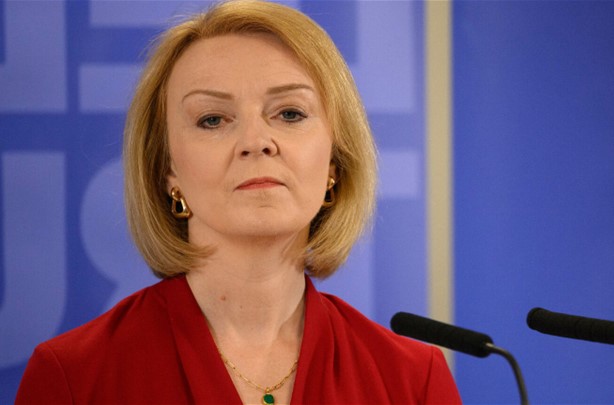
Women in Leadership – Liz Truss

Women in Leadership – Who is Liz Truss?

Continuing our series of articles about Women in Leadership, we today focus on potentially one of the biggest developments in this field for years, by looking at Liz Truss. Mary Elizabeth Truss is one of the two remaining candidates (the other being Rishi Sunak) in the 2022 Conservative Party leadership election, which will be decided by a ballot of Conservative Party members ending on 2 September 2022. The result will be announced on 5 September. Born in 1975, Elizabeth Truss served as Secretary of State for Foreign, Commonwealth and Development Affairs since 2021 and as Minister for Women and Equalities since 2019 and has always been a strong advocate for more women in leadership. Prior to her entry into politics she worked at Shell, Cable & Wireless and was deputy director of the think tank Reform. She was a former president of the Oxford University Liberal Democrats and joined the Conservative Party after graduating from Oxford in 1996. So, as you can see, Liz has been part of the women in leadership movement for over a decade before she entered politics. Elizabeth Truss has been Member of Parliament for Southwest Norfolk since 2010 and has served in various cabinet positions under David Cameron, Theresa May, and Boris Johnson. As a backbencher, she called for reform in several policy areas including childcare, maths, education, and the economy. She founded the Free Enterprise Group of Conservative MPs and wrote or co-wrote a number of papers and books, including After the Coalition (2011) and Britannia Unchained (2012). Truss served as Parliamentary Under-Secretary of State for Childcare and Education from 2012 to 2014, before being appointed to the Cabinet by David Cameron as Secretary of State for the Environment, Food and Rural Affairs in the 2014 cabinet reshuffle. Though she was a supporter of the Britain Stronger in Europe campaign for the UK to remain in the European Union in the 2016 referendum, she supported Brexit after the result. After Cameron resigned in July 2016, Truss was appointed Secretary of State for Justice and Lord Chancellor by Theresa May. Following the 2017 general election, Truss was appointed Chief Secretary to the Treasury by former Prime Minister Theresa May. After May resigned in 2019, Truss supported Boris Johnson’s bid to become Conservative leader. He appointed Truss as Secretary of State for International Trade and President of the Board of Trade. He then made her Foreign Secretary in 2021, replacing Dominic Raab. Truss was appointed the government’s chief negotiator with the European Union and UK chair of the EU–UK Partnership Council on 19 December 2021, succeeding Lord Frost. Previous Women in Leadership of the Conservative Party Previous women in leadership of the Conservative Party both had equally impressive credentials, and provide a warning to Elizabeth Truss, as they were both unceremoniously ousted before their time. Theresa May Most recently, Prime Minister Theresa May became a victim of Brexit, just as her predecessor David Cameron had.  She was deemed to be both stalling and not being strong enough in our negotiations with the European Union over the terms of our withdrawal from the European Union.   In July 2016, after David Cameron resigned, May was elected Conservative Party leader and became the UK’s second female prime minister after Margaret Thatcher. She began the process of withdrawing the UK from the European Union, triggering Article 50 in March 2017. The following month, she announced a snap general election, with the aims of strengthening her hand in Brexit negotiations and highlighting her “strong and stable” leadership. This resulted in a hung parliament in which the number of Conservative seats had fallen from 330 to 317, despite the party winning its highest vote share since 1983. The loss of an overall majority prompted her to enter a confidence and supply arrangement with the Democratic Unionist Party (DUP) of Northern Ireland to support a minority government. May survived a vote of no confidence from Conservative MPs in December 2018 and a vote of no confidence tabled by Opposition Leader Jeremy Corbyn in January 2019. As Prime Minister, May carried out the Brexit negotiations with the European Union, adhering to the Chequers Agreement, which resulted in the Brexit withdrawal agreement.  She also oversaw a £20 billion increase in funding to the National Health Service through the NHS Long Term Plan, established the first-ever Race Disparity Audit and launched a 25 Year Environment Plan, amending the Climate Change Act 2008 to end the UK’s contribution to global warming by 2050. Unemployment in the United Kingdom fell to record lows, the lowest jobless rate since 1975. After versions of her draft withdrawal agreement were rejected by Parliament three times, she resigned and was succeeded by Boris Johnson, her former Foreign Secretary. She remains in the House of Commons as a backbencher. Margaret Thatcher Margaret Hilda Thatcher, who was often referred to as “The Iron Lady”, and was the first of the Women in Leadership covered by this article. She was our first female Prime Minister and served as Prime Minister from 1979 to 1990. She was also Leader of the Conservative Party from 1975 to 1990. Margaret Thatcher was the longest-serving British prime minister of the 20th century. As prime minister, she implemented policies that became known as Thatcherism. A Soviet journalist dubbed her the “Iron Lady”, a nickname that became associated with her uncompromising politics and leadership style. On becoming prime minister after winning the 1979 general election, Thatcher introduced a series of economic policies intended to reverse high inflation and Britain’s struggles in the wake of the Winter of Discontent and an oncoming recession. Her political philosophy and economic policies emphasised deregulation (particularly of the financial sector), the privatisation of state-owned companies, and reducing the power and influence of trade unions. Her popularity in her first years in office waned amid recession and rising unemployment, until victory in the 1982 Falklands War and the recovering economy brought a resurgence of support, resulting in her landslide re-election in 1983. She survived an assassination

Women in Leadership – Who is Liz Truss? Read More »

women in leadership

Women in Leadership – Are women’s leadership & development programs working?

It seems the number of women in leadership, or to be more precise “female managers” in the UK has halved, according to a report from business advisory firm Price Waterhouse Coopers. The findings show that half a million females are “missing” from workplaces in England and Wales, despite companies having made major strides to increase the proportion of women in leadership roles. Despite this, there has been just a 0.1% increase in women in leadership levels since 2020, and women now comprise just over 30% of senior managers across all levels in UK businesses. This is despite women making up around 48% of the workforce in financial services and insurance companies, 34% in manufacturing, 27% in retail, 13% in construction, and 10 % in the public sector. PwC’s report also found that roles such as director, senior director, and associate directors attracted a higher percentage of women than ever before. However, a much higher percentage of these types of roles were filled by men. The disparity figure was 31% for CEO roles and 23% for managing director positions where women were missing. It also found that financial services companies had seen the most improvement in gender equality since 2020, with female CEOs holding four out of ten leadership positions. In 2020, just 2.7% of financial services companies had a female CEO. In contrast, pharmaceutical firms and media firms have made the worst progress, with just 2.6% of CEOs being women. The research also revealed that 57% of male managers were rising through the ranks, compared to just 40% of their female counterparts. The findings come after the UK’s first-ever comprehensive gender equality database was launched in August 2021, which found there is a significant imbalance between male and female leaders across sectors such as media, finance, construction, and pharmaceuticals. The research was carried out on behalf of FTSE 250 companies in England and Wales by PwC and sponsored by Intu Health Alliance Group. Adrian Gosnell, diversity and inclusion lead at PwC, said: “While this year’s overall figures in our research indicate that there has been a small increase in female representation to 30% for senior manager roles, this masks the fact that women are still missing from the top roles.” “It is troubling that men remain over-represented in senior leadership positions and we have seen little improvement since 2020. If the pace of change remains static, women won’t reach true equality until 2066 – 100 years after they were first allowed to vote.” Now for one moment let us ignore the elephant in the room, that PwC themselves have 14 men and 8 women on their board and let us try to gloss over the spokesperson on this matter is a spokesman, not a spokeswoman. Setting all that aside for a moment, I am not entirely sure where Adrian is getting his dates from because women were granted the vote in the UK in 1928, so in fact by 2066, it will be 138 years! He went on to say – “However, companies should be encouraged by the clear rise in women becoming directors since 2020. This reinforces the importance of continued efforts to support women with work-life balance and flexible working, which are critical to getting more women in leadership roles.” “The good news is that more than two thirds of companies have clear diversity strategies in place, yet many firms are still failing to attract enough female talent into their workforce.” However, Louise Mellor, head of equality and inclusion for the Intu Health Alliance Group, said: “With 22% of businesses saying that they do not have a gender equality strategy in place, there is clearly still a lot of work to be done.” “Companies must ensure that all employees, male and female feel valued and supported at every stage in their career. This will encourage more women to climb the corporate ladder and take on top roles.” Overall, around 15% of UK companies surveyed stated a goal of reaching gender equality by 2040, but less than half (47%) had a plan in place for doing so, which is a direct contradiction of Adrian’s “two thirds of companies”. I certainly don’t want to get into a – he said – she said – debate, but rather just simply highlight how statistics can be massaged to reflect whatever reality the masseur or masseuse wants to portray. How do we address this imbalance? The underlying fact remains that companies are not doing enough to DEVELOP female leaders. I am in no way advocating quotas, which could result in women being promoted into leadership positions, who are not prepared for the role, simply because they are women. Gender bias is an issue that has been present for centuries. Women have been fighting for their rights to be seen as equals in society and the workplace. The way of overcoming gender bias is not making exactly the same mistake, but in reverse. The emphasis needs to be on companies developing their emerging female leaders and preparing them to become women in leadership roles. Leadership skills can be developed and improved with practice, self-awareness, and hard work. Leadership is a complex topic that encompasses many different characteristics. It can be hard to define leadership and even harder to know when someone is a leader. Leadership can be defined as the ability to mobilise people and resources in order to achieve organisational goals. Leadership is not something that only happens in formal positions, but it can happen anywhere at any time. Leadership development is an important part of any company. It helps to develop the skills of their employees and help them be more successful in their career. Did You Know? Organisations with a higher representation of women in leadership roles and on their boards markedly outperformed the organisations that don’t and, studies have also outlined that companies with greater gender diversity, not only in their workforce but directly among senior leaders, are significantly more profitable than those without. A report by McKinsey &

Women in Leadership – Are women’s leadership & development programs working? Read More »